
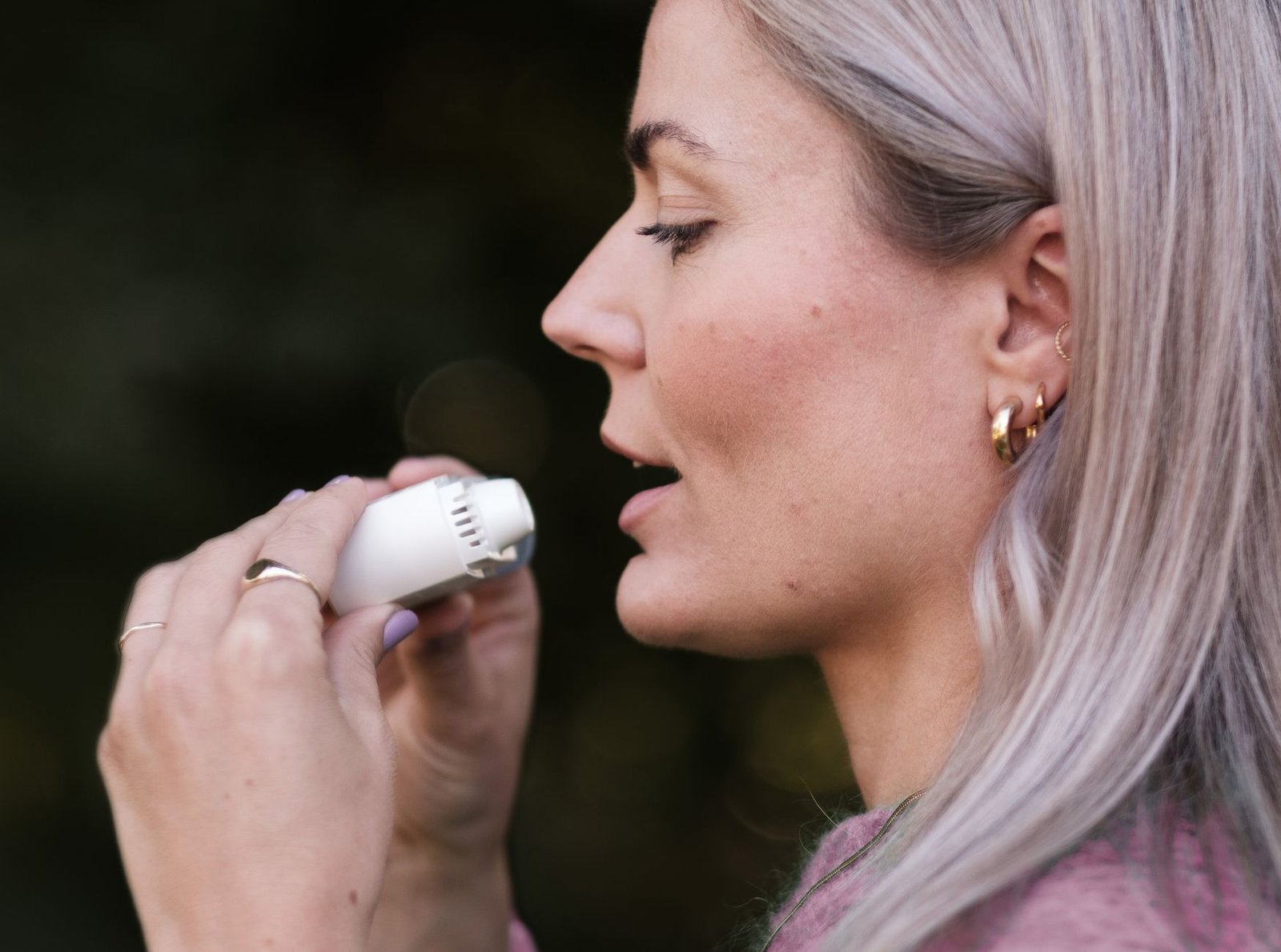
Seasonal allergies present a significant challenge for many, with symptoms often exacerbated by compromised indoor air quality. Pollen, dust mites, pet dander, mold spores, and volatile organic compounds (VOCs) accumulate within residential spaces, triggering discomfort for the resident. This article outlines seven practical home upgrades and strategic implementations designed to significantly enhance indoor air quality, offering substantial relief from seasonal allergy symptoms for homeowners in 2026 through modern advancements and proactive measures.
Understanding the Indoor Allergy Challenge
The Hidden World of Indoor Allergens
The home environment, while offering sanctuary, can inadvertently become a reservoir for a multitude of allergens. Beyond the seasonal influx of pollen, indoor air frequently contains microscopic particles such as dust mite feces and exoskeletons, pet dander, and mold spores. Additionally, modern building materials and household products can off-gas VOCs, contributing to a cocktail of irritants. For the individual experiencing allergy symptoms, identifying and mitigating these indoor triggers is paramount to achieving year-round comfort. Proactive strategies, rather than reactive symptom management, form the foundation of a truly healthy indoor space.
Seven Key Home Air Quality Upgrades for 2026
1. Advanced HVAC Filtration Systems
At the forefront of indoor air quality improvement is the Heating, Ventilation, and Air Conditioning (HVAC) system’s filtration capabilities. For 2026, upgrading to filters with a Minimum Efficiency Reporting Value (MERV) of 13 or higher is a baseline recommendation for allergy sufferers. These filters are significantly more effective at capturing fine particles, including pollen, pet dander, and dust mite allergens. For even superior performance, the integration of True HEPA (High-Efficiency Particulate Air) filters into the HVAC system or through dedicated whole-home air purifiers provides near-absolute particulate removal. Modern HEPA filters are designed for lower pressure drop, making them more compatible with a wider range of HVAC units. Furthermore, smart filters are gaining traction, equipped with IoT sensors that monitor air quality and filter lifespan, providing automated replacement reminders directly to the homeowner.
2. Whole-Home Air Purification Technologies
Beyond passive filtration, active air purification systems offer an additional layer of defense against microscopic threats. For 2026, residents can consider whole-home solutions such as UV-C germicidal lights installed within the HVAC ductwork, which neutralize airborne viruses, bacteria, and mold spores as air circulates. Another rapidly evolving technology is bipolar ionization, which emits charged ions that attach to and neutralize airborne particles, pathogens, and VOCs, causing them to fall out of the air or be more easily captured by filters. Photocatalytic oxidation (PCO) systems, which use UV light and a titanium dioxide catalyst, are also effective at breaking down VOCs and other gaseous pollutants, contributing to a cleaner, fresher indoor environment.
3. Optimized Ventilation with ERVs and HRVs
While sealing homes for energy efficiency is beneficial, it can trap pollutants indoors. Energy Recovery Ventilators (ERVs) and Heat Recovery Ventilators (HRVs) are essential for maintaining optimal indoor air quality by continuously exchanging stale indoor air with fresh outdoor air. ERVs are particularly valuable in humid climates as they transfer moisture, helping to manage indoor humidity levels, while HRVs are ideal for colder climates, recovering heat. Both systems feature advanced filters that prevent outdoor allergens from entering the home, ensuring that the fresh air introduced is clean. 2026 models often include smart sensors that automatically adjust ventilation rates based on detected indoor air quality metrics like CO2 and VOC levels, ensuring optimal performance without excessive energy consumption.
4. Intelligent Humidity Management
Humidity plays a critical role in the proliferation of common indoor allergens, particularly dust mites and mold. Maintaining indoor humidity levels between 30% and 50% is crucial for allergy relief. Whole-home smart humidifiers and dehumidifiers, integrated with the HVAC system and responsive to real-time indoor conditions, offer precise control. These systems prevent excessive moisture that encourages mold growth in bathrooms, basements, and kitchens, and also deter dust mites from thriving in high-humidity environments. Modern moisture-resistant building materials and paints also offer a proactive defense against mold, complementing mechanical humidity control efforts.
5. Low-VOC Building Materials and Furnishings
Volatile Organic Compounds (VOCs) are emitted from numerous household products and building materials, contributing to indoor air pollution and acting as irritants for allergy sufferers. In 2026, homeowners have greater access to a vast array of low-VOC or zero-VOC paints, sealants, flooring, and furniture. When undertaking renovations or furnishing a new space, specifying materials with certifications like GreenGuard Gold ensures minimal chemical off-gassing. Examples include natural linoleum, cork flooring, engineered wood with non-toxic adhesives, and solid wood furniture finished with water-based sealants. Prioritizing these materials significantly reduces the chemical burden on indoor air, promoting a healthier living space.
6. Integrated Smart Air Quality Monitoring
An informed approach to indoor air quality begins with accurate data. Modern smart home ecosystems offer advanced air quality monitors that track a comprehensive range of metrics, including particulate matter (PM2.5), VOCs, carbon dioxide (CO2), temperature, and humidity. These integrated systems provide real-time data, allowing the homeowner to understand their indoor environment precisely. Crucially, many 2026 monitoring solutions can communicate with other smart devices, automatically triggering air purifiers, ERVs, or humidifiers/dehumidifiers when thresholds are exceeded. AI-driven insights can further analyze patterns and provide recommendations for optimizing indoor conditions, transitioning from reactive to predictive air quality management.
7. Hypoallergenic Interior Choices and Robotic Cleaning
The choice of interior furnishings and cleaning practices significantly impacts allergen accumulation. For allergy sufferers, selecting hypoallergenic textiles and materials is essential. This includes bedding with mite-proof covers, tightly woven fabrics for upholstery, and opting for leather or vegan leather furniture that is easier to clean and less likely to harbor allergens. Washable throw blankets and cushion covers are also advantageous for regular laundering. Complementing these choices are advanced cleaning robotics; 2026 robotic vacuums and mops often feature HEPA filters and sophisticated mapping capabilities, ensuring consistent and thorough removal of dust, pet dander, and other particulates from floors and carpets. Regular, automated cleaning by these devices drastically reduces the overall allergen load within the home.
Implementing a Holistic Approach to Indoor Comfort
Addressing seasonal allergies effectively requires a multifaceted approach that integrates several of these upgrades. While each strategy offers individual benefits, their combined effect creates a powerfully clean and comfortable indoor environment. Residents considering these enhancements are encouraged to consult with qualified home interior designers, landscape architects, or HVAC specialists to tailor solutions that best fit their specific needs and home characteristics. This professional guidance ensures that each upgrade is implemented efficiently and harmoniously within the existing structure, maximizing both comfort and long-term benefits.
By embracing these seven home air quality upgrades and strategies, homeowners in 2026 can proactively transform their living spaces into havens of comfort, significantly reducing seasonal allergy symptoms and promoting a healthier lifestyle for all occupants. The investment in superior indoor air quality is an investment in well-being, fostering environments where comfort is paramount and health is prioritized.