
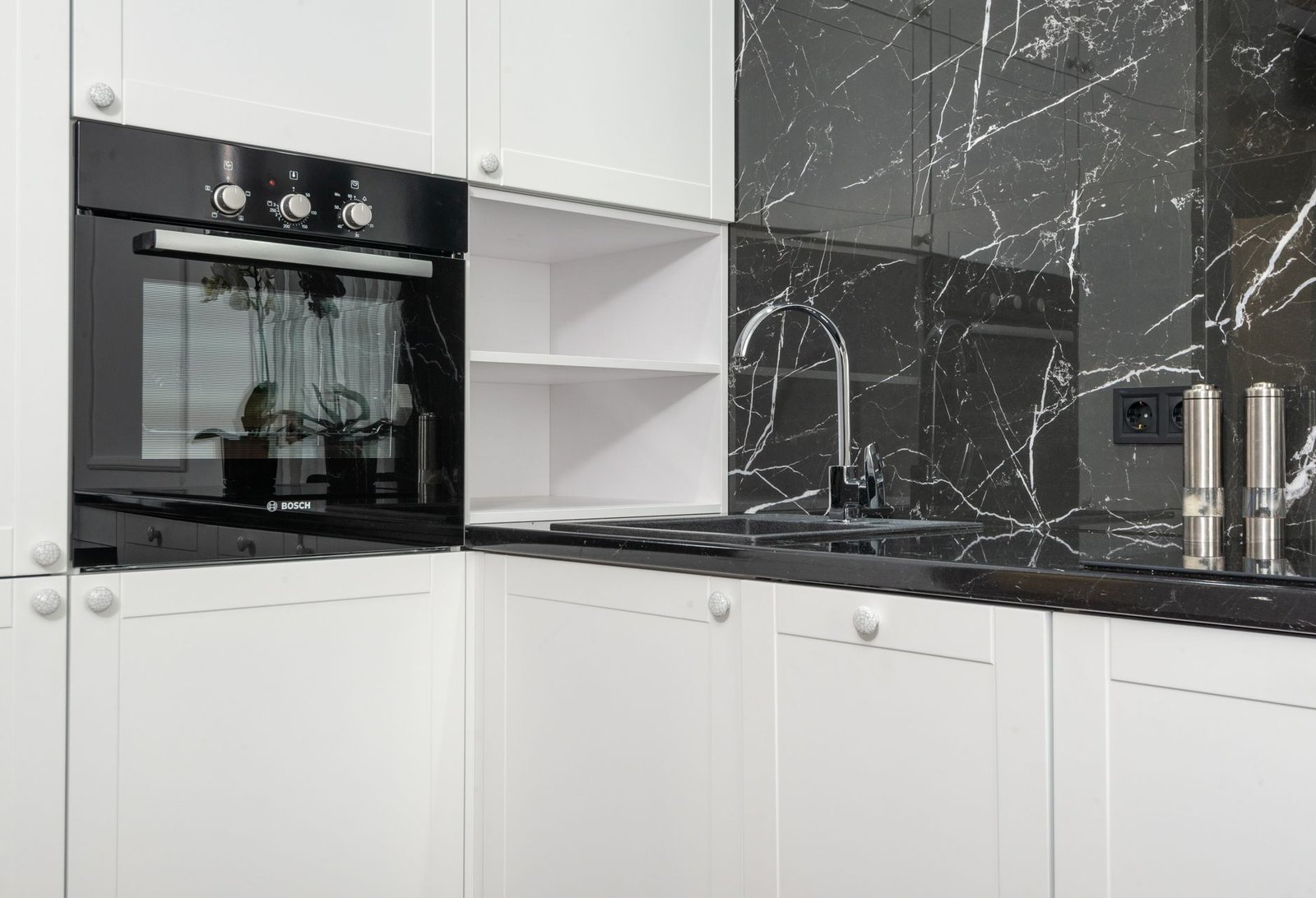
When selecting kitchen cabinets in 2026, homeowners often weigh the aesthetic appeal against the practicalities of maintenance, particularly regarding cleaning ease. While glossy surfaces reveal smudges and fingerprints more readily, requiring frequent wiping, modern matte finishes, especially those featuring advanced oleophobic and anti-fingerprint coatings, have significantly improved in cleaning efficacy, often necessitating less frequent deep cleaning. The ease of cleaning for either finish ultimately depends on the type of dirt, the specific material technology, and the homeowner’s tolerance for visible imperfections.
Understanding Matte Finishes in 2026
Matte finishes have steadily grown in popularity, offering a sophisticated, understated elegance that complements contemporary interior design trends. The perception of matte as difficult to clean is largely rooted in historical material limitations; however, 2026 sees significant advancements.
Cleaning Protocols for Modern Matte Surfaces
Historically, matte cabinets were perceived as challenging due to their slightly textured or porous surface, which could trap grease and smudges. However, current-year 2026 advancements have largely mitigated these concerns. Many high-quality matte laminates and lacquers now incorporate advanced anti-fingerprint and oleophobic (oil-repellent) coatings. These innovations make modern matte surfaces remarkably resistant to smudges, fingerprints, and minor grease marks. Cleaning typically involves a soft microfiber cloth dampened with water or a mild, non-abrasive cleaner. For stubborn marks, specialized pH-neutral matte surface cleaners are available. Avoiding harsh chemicals, abrasive pads, or wax-based polishes is crucial to preserve the integrity of the finish and its anti-smudge properties. Visible dirt, when it does occur on these advanced surfaces, often appears as a subtle dulling rather than a distinct, reflective smear, making it less immediately noticeable.
Durability and Stain Resistance of Matte Options
Modern matte materials are engineered for enhanced durability. Laminates, particularly those with high-pressure or thermo-structured surfaces, offer excellent scratch resistance. While deep scratches on any surface are problematic, minor abrasions tend to be less visible on matte finishes compared to their glossy counterparts. Stain penetration, once a concern, has been largely addressed through improved sealing and coating technologies, offering robust barriers against common kitchen spills. The key is prompt cleaning, as with any surface, to prevent long-term discoloration.
Understanding Glossy Finishes in 2026
Glossy finishes remain a steadfast choice for residents seeking a sleek, modern, and light-enhancing aesthetic. Their reflective nature has both advantages and specific maintenance requirements.
Cleaning Protocols for Glossy Surfaces
The inherent smoothness and non-porous nature of glossy surfaces make wiping away spills and splashes exceptionally straightforward. A damp microfiber cloth is often sufficient to remove fresh dirt and fingerprints. For a streak-free shine, particularly on darker gloss finishes, it is often recommended to follow with a dry microfiber cloth immediately. While cleaning is quick, the need for it is frequent. Fingerprints, watermarks, and grease smears are highly visible due to the high reflectivity, making consistent wiping a regular part of kitchen maintenance for the homeowner who desires a pristine appearance.
Smudge Visibility and Maintenance Frequency
The primary characteristic of glossy cabinets is their ability to reflect light, which simultaneously highlights every imperfection. This means that while individual cleaning tasks are simple, the frequency of cleaning often increases significantly. Households with active children, pets, or high-traffic kitchen use may find themselves wiping down glossy surfaces multiple times a day to maintain their pristine look. In 2026, some high-end glossy acrylics and lacquers incorporate self-healing technologies that can minorly repair surface scratches when exposed to heat, offering a slight edge in maintaining long-term clarity, but these do not eliminate smudge visibility.
Durability and Longevity: A 2026 Perspective
Beyond daily cleaning, the long-term resilience of kitchen cabinet finishes is a critical consideration for homeowners in 2026.
Scratch and Impact Resistance
Both matte and glossy finishes have seen considerable material science advancements. High-gloss acrylics and lacquers can be quite durable, resisting deep scratches effectively. However, minor surface scratches and swirl marks are more noticeable on glossy surfaces, especially under direct lighting. Matte finishes, while generally offering good scratch resistance in their modern forms, can make deep gouges more challenging to repair invisibly. The texture of matte can sometimes mask minor abrasions better than a smooth, reflective surface. The choice here often comes down to the homeowner’s tolerance for visible wear and tear.
Fade Resistance and UV Stability
In 2026, leading manufacturers offer excellent UV protection across both finish types. High-quality acrylics, lacquers, and laminates, regardless of sheen, are engineered to resist fading and discoloration from sunlight exposure. This ensures that the chosen cabinet color remains vibrant and true over many years, a significant improvement from older generations of materials.
Aesthetic Appeal and Design Versatility
The visual impact of cabinet finishes plays a crucial role in defining the overall style and atmosphere of a kitchen space.
The Matte Aesthetic in 2026
Matte finishes absorb light, creating a soft, warm, and inviting ambiance. They impart a sense of depth and luxury, often associated with sophisticated, minimalist, and Scandinavian design aesthetics. In 2026, matte is frequently paired with natural wood tones, concrete, and subtle metallic accents to create highly curated, tactile spaces. This finish can make a larger kitchen feel more intimate and grounded, or provide a calming contrast in open-plan living areas. The absence of glare contributes to a visually calming environment.
The Glossy Aesthetic in 2026
Glossy finishes reflect light, which can significantly enhance the perceived size and brightness of a kitchen. They are a popular choice for smaller spaces or areas lacking natural light, making them appear more expansive and airy. Glossy cabinets convey a sleek, modern, and often opulent feel, perfectly suited for contemporary, high-tech, or glamorous kitchen designs. They integrate seamlessly with reflective appliances and modern hardware, creating a cohesive, polished look. The vibrant reflection can add a dynamic energy to the space.
Making the Informed Choice for the Modern Kitchen
The decision between matte and glossy cabinets in 2026 transcends mere aesthetics, encompassing practical lifestyle considerations and an understanding of material evolution.
Lifestyle and Usage Considerations
For busy households, especially those with young children or pets, where fingerprints and spills are a daily occurrence, modern matte finishes with advanced anti-fingerprint coatings might be the more practical choice. They tend to mask minor imperfections and visible smudges more effectively, potentially requiring less frequent attention to maintain a presentable appearance. Conversely, a homeowner who prioritizes a consistently sparkling, reflective surface and is diligent about frequent wiping might still prefer glossy cabinets for their immediate impact and ease of quick wipe-downs. The resident’s tolerance for visible daily grime is a critical factor.
Budget and Installation Factors
Both matte and glossy finishes are available across a wide range of price points in 2026, from budget-friendly laminates to premium lacquers and acrylics. The cost is more often determined by the underlying material quality and manufacturing process than by the finish sheen itself. Installation techniques are generally similar for both types of finishes, with no significant differences in complexity or labor costs.
Final Recommendations and Future Trends
In 2026, the notion that glossy is unequivocally easier to clean than matte is largely outdated, especially considering the advanced coatings available for matte finishes. If the homeowner prioritizes less frequent *visible* cleaning and appreciates a sophisticated, non-reflective aesthetic, modern matte with its enhanced anti-fingerprint properties is a strong contender. If the desire is for a bright, expansive, and high-energy kitchen that reflects light, and the homeowner is prepared for frequent quick wipes, glossy remains an excellent choice. Looking ahead, hybrid finishes are an emerging trend, offering properties of both – such as subtle low-sheen glosses or textured mattes that further enhance durability and cleaning. Biophilic design principles are also influencing material choices, favoring natural textures often found in matte finishes, underscoring their relevance in future kitchen aesthetics.