
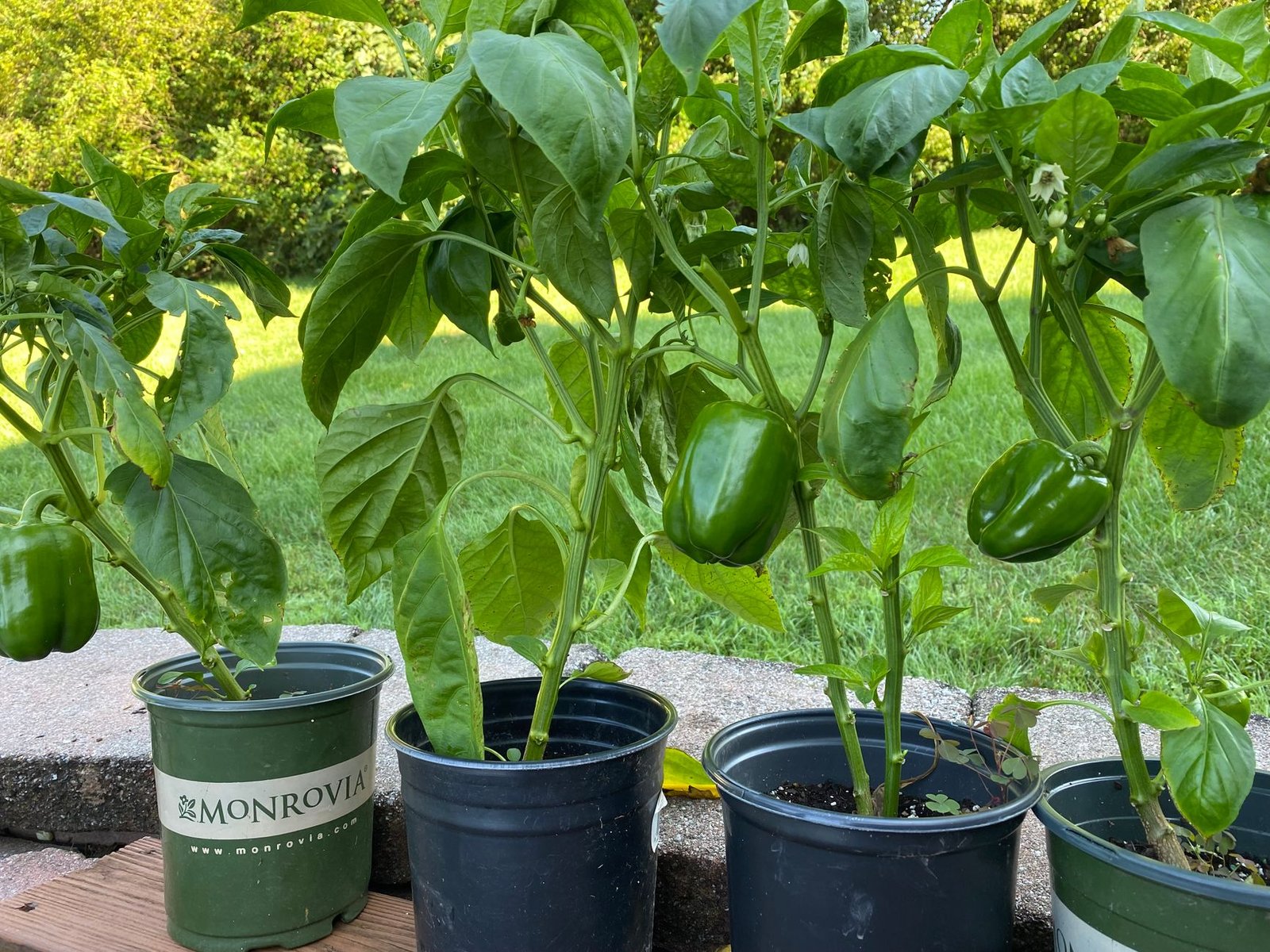
For residents aiming to maximize the yield and health of container vegetables in 2026, the optimal fertilizer strategy typically involves a synergistic approach, combining both organic and synthetic solutions. While no single ‘best’ product exists universally, modern advancements in nutrient delivery and sustainable formulations offer unprecedented efficiency for the urban gardener. Identifying the most effective and appropriate fertilizers, whether organic or synthetic, hinges on understanding plant-specific needs, media composition, and contemporary industry innovations.
Understanding Container Vegetable Nutritional Needs
Container gardening presents unique challenges compared to in-ground cultivation. The limited soil volume means nutrients are quickly depleted by plant uptake and leaching during watering. Consequently, consistent and targeted fertilization is crucial for vigorous growth and abundant harvests. Container plants rely entirely on the homeowner to provide all essential macronutrients (Nitrogen, Phosphorus, Potassium – N-P-K) and micronutrients (e.g., iron, manganese, zinc, boron).
Nitrogen promotes leafy growth, phosphorus supports root development and flowering, while potassium aids overall plant health, fruit development, and disease resistance. The specific N-P-K ratio required will vary depending on the vegetable type and its growth stage. For instance, leafy greens benefit from higher nitrogen, whereas fruiting vegetables like tomatoes demand more phosphorus and potassium during bloom and fruit set.
Top Fertilizer Types for 2026: Organic Solutions
Organic fertilizers remain a cornerstone for sustainable container gardening, fostering healthy soil microbiology and providing nutrients gradually. In 2026, the market sees continued innovation in ease of use and nutrient bioavailability for organic options.
Enhanced Organic Pellets and Granules
Modern organic slow-release fertilizers for 2026 often feature finely milled components and proprietary binding agents that ensure a more uniform and predictable nutrient release. Products derived from composted manure, bone meal, blood meal, and kelp are now available with enhanced formulations that resist compaction in pots, allowing for better aeration and microbial activity. These often incorporate beneficial microbes or mycorrhizal fungi to improve nutrient uptake and root health over extended periods, reducing the frequency of application.
Bio-Activated Liquid Feeds
Compost teas and vermicompost (worm casting) extracts are increasingly popular as liquid feeds. For 2026, these are often augmented with specific strains of beneficial bacteria and fungi, creating ‘bio-activated’ solutions. These not only provide a readily available nutrient boost but also inoculate the growing media with diverse microbial life, enhancing nutrient cycling and plant resilience. Fish emulsion and liquid kelp extracts also offer rapid nutrient delivery and a rich spectrum of micronutrients, often combined for a balanced organic feed.
Sustainable Soil Amendments
Beyond traditional fertilizers, 2026 sees a heightened focus on organic soil amendments that improve water retention and nutrient availability. Products like biochar, when incorporated into container mixes, act as a microbial habitat and can significantly reduce nutrient leaching, making applied fertilizers more effective. Users are encouraged to mix these into potting media at the start of the season for long-term benefits.
Top Fertilizer Types for 2026: Synthetic Innovations
Synthetic fertilizers offer precise control over nutrient delivery and are often favored for their rapid action and predictable results, especially in limited container volumes. 2026 innovations focus on efficiency, reduced environmental impact, and smart application.
Advanced Controlled-Release Fertilizers (CRFs)
Controlled-release granules are a top choice for container vegetables due to their convenience and consistent nutrient supply. In 2026, CRFs feature multi-layered polymer coatings that are even more sophisticated, precisely controlling nutrient release based on factors like soil temperature, moisture levels, and even pH. This ‘smart release’ technology minimizes nutrient waste and reduces the risk of over-fertilization, ensuring plants receive a steady supply of nutrients throughout their growing cycle with fewer applications.
High-Efficiency Water-Soluble Concentrates
Water-soluble fertilizers offer immediate nutrient availability, making them ideal for quick boosts or correcting deficiencies. New for 2026 are highly concentrated formulations with chelated micronutrients, ensuring they remain available to plants across a wider pH range in container media. These solutions are often tailored for specific crop types (e.g., ‘Tomato & Vegetable’ formulas) and are designed for minimal salt buildup, a common concern in container gardening.
Precision Hydroponic-Grade Nutrients
While typically associated with soilless systems, hydroponic-grade nutrient solutions are gaining traction for container vegetables grown in inert media like coco coir or perlite mixes. These balanced, complete formulations provide all necessary elements without relying on soil processes, offering maximum control. In 2026, some brands are offering more user-friendly, pre-mixed hydroponic concentrates suitable for the casual container gardener, simplifying their application for soil-less container setups.
Emerging Trends and Application Best Practices
Beyond specific product types, several trends are shaping how homeowners approach container vegetable fertilization in 2026.
The Rise of Biostimulants
Biostimulants, such as humic acids, fulvic acids, and seaweed extracts, are increasingly integrated into fertilization regimens. These substances enhance nutrient uptake, improve plant tolerance to environmental stressors (heat, drought), and stimulate beneficial microbial activity, making plants more robust and yields higher. Many 2026 fertilizers, both organic and synthetic, now include these as part of their standard formulation.
Smart Gardening Integration
The proliferation of smart gardening technology in 2026 allows for more precise fertilization. Sensor-based systems can monitor soil moisture, temperature, and even nutrient levels, providing real-time data to the homeowner. This data can inform when and what type of fertilizer to apply, optimizing plant health and reducing waste. Some advanced container systems even feature automated drip irrigation with integrated nutrient delivery.
Sustainable Packaging and Sourcing
Consumers in 2026 are increasingly demanding eco-friendly products. Fertilizer manufacturers are responding with biodegradable packaging, concentrated formulas to reduce shipping weight, and commitments to sustainable sourcing of ingredients. The homeowner can look for certifications that indicate environmentally responsible practices.
Application Techniques
- Read Labels Carefully: Always follow manufacturer recommendations for dilution and frequency. Over-fertilization is a common issue in containers and can lead to nutrient burn or salt buildup.
- Consistent Feeding: Container plants benefit from frequent, dilute feeding rather than infrequent, heavy applications. This applies especially to liquid fertilizers.
- Foliar Feeding: For quick micronutrient boosts or to address specific deficiencies, foliar sprays can be effective. This involves applying a diluted fertilizer solution directly to the plant’s leaves.
- Leaching Prevention: Ensure containers have adequate drainage. While some leaching is inevitable, excessive runoff means wasted nutrients. Consider using saucers for indoor plants, but avoid letting pots sit in standing water for extended periods.
Choosing the Right Fertilizer for Specific Vegetables
The