
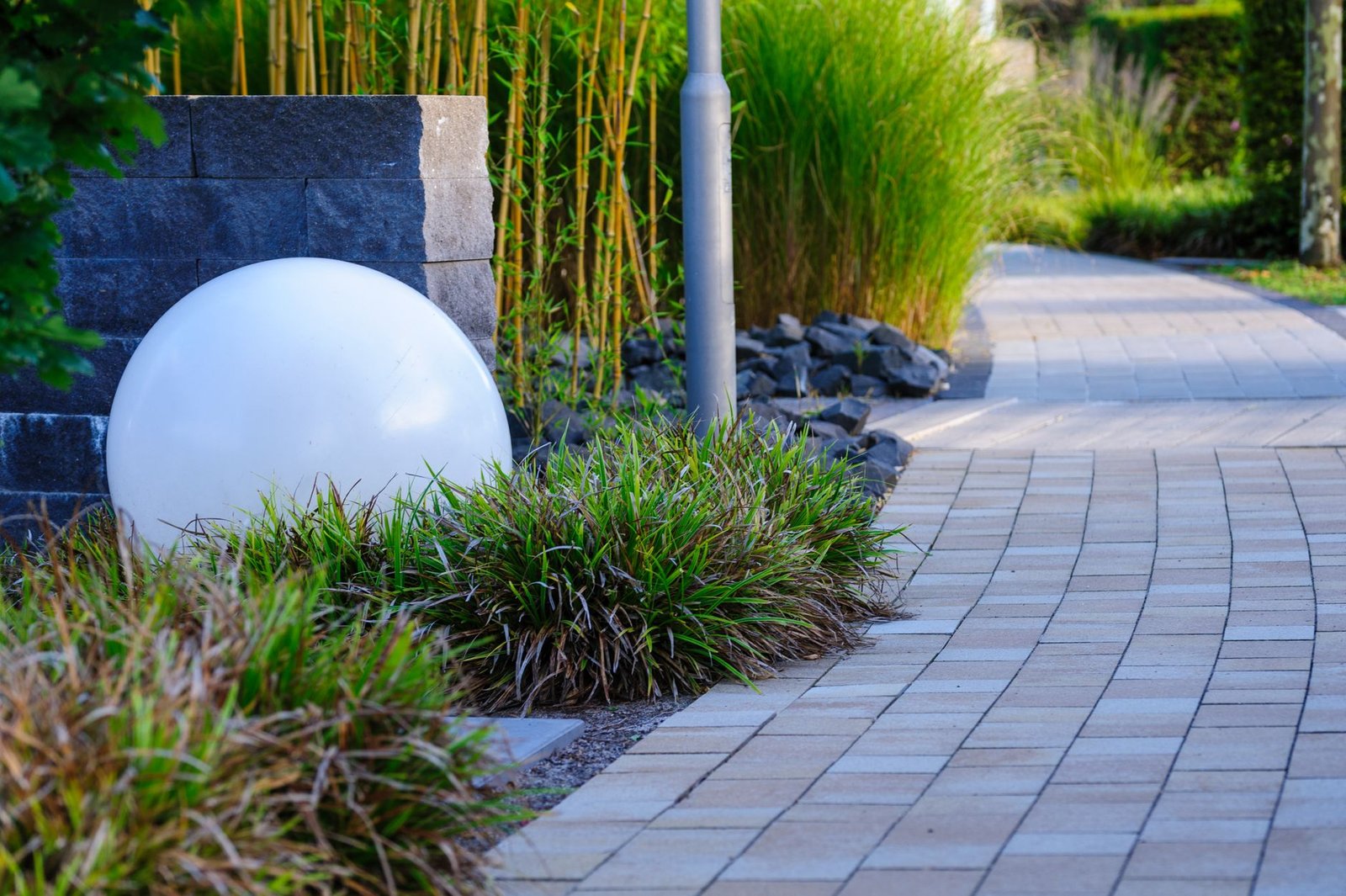
When considering landscape enhancements for the 2026 backyard, a common dilemma arises: selecting between a gravel path and a paver pathway. Both options offer distinct advantages and disadvantages, making the ‘better’ choice highly dependent on a homeowner’s specific priorities regarding cost, durability, maintenance commitment, and desired aesthetic. This analysis will guide the resident through the nuances of each material, incorporating 2026 industry trends and material innovations to help inform a robust decision for their outdoor space.
Gravel Pathways: Organic Charm Meets Modern Efficiency
Gravel pathways have long been celebrated for their natural appeal and straightforward installation. In 2026, advancements in aggregate technology and installation techniques have further refined their practicality and longevity.
Cost Considerations for Gravel Pathways
Historically, gravel paths represent a lower initial investment compared to their paved counterparts. The material cost for various gravel types, from pea gravel to crushed granite or decomposed granite, is generally modest. Installation labor can also be less intensive, especially for simpler designs. However, it is crucial to factor in the cost of proper base preparation, which includes excavation, a geotextile fabric layer for weed suppression and stability, and appropriate edging to contain the aggregate. For 2026, the increasing availability of
recycled aggregates and locally sourced materials can further reduce both cost and environmental impact for the resident.
Durability and Longevity of Gravel
The durability of a gravel path hinges significantly on its initial construction. A well-installed gravel path with a compacted base, effective drainage, and robust edging can last for many years. However, individual gravel pieces are prone to displacement and can degrade over time, especially in high-traffic areas or challenging climates. A notable 2026 trend is the adoption of permeable resin-bound gravel systems. These systems bind aggregates together with a durable resin, creating a solid, stable, and permeable surface that dramatically increases longevity and reduces displacement, offering a significant upgrade to traditional loose gravel.
Maintenance Requirements for Gravel
Traditional gravel paths require periodic maintenance, including weeding, raking to redistribute displaced stones, and occasional replenishment of aggregate. Weeds can sprout through the gravel, necessitating regular removal. For 2026, improved weed barrier technologies and the aforementioned resin-bound options significantly mitigate these issues. Resin-bound gravels, in particular, offer a virtually weed-free and stable surface with minimal upkeep beyond occasional sweeping.
Aesthetic Appeal and Design Versatility of Gravel
Gravel offers an unmatched organic and rustic aesthetic, blending seamlessly into natural landscapes. The wide array of aggregate types, colors, and sizes allows for considerable design flexibility. From the smooth texture of river rocks to the sharp angles of crushed stone, gravel can evoke various moods. In 2026, designers often integrate gravel with larger stepping stones or incorporate integrated landscape lighting, leveraging the material’s reflective qualities. The permeability of gravel also aligns with modern sustainable landscape practices, allowing rainwater to infiltrate the soil rather than contributing to runoff.
Paver Pathways: Structured Elegance and Enduring Value
Paver pathways provide a structured, robust, and often more formal aesthetic. Modern paver technology in 2026 has advanced considerably, offering enhanced durability, design options, and environmental benefits.
Investment in Paver Pathways
Paver pathways typically represent a higher initial investment due to the cost of the engineered materials and the more labor-intensive installation process. This includes a meticulously prepared and compacted base, a bedding layer, and the precise placement of each paver. However, this higher upfront cost is often offset by the longevity, minimal long-term degradation, and the significant boost to property value and curb appeal that pavers provide. For 2026, the market offers a range of pavers, from cost-effective concrete options to premium natural stone or porcelain, allowing for budget flexibility.
Paver Durability and Resilience
Pavers are engineered for extreme durability, capable of withstanding heavy foot traffic, freeze-thaw cycles, and general wear. Their interlocking system, combined with polymeric sand in the joints, creates a flexible yet stable surface that resists cracking and shifting. 2026 material science has introduced high-strength concrete pavers with enhanced compressive strength and UV-resistant coatings, extending their vibrant appearance. Porcelain pavers are also gaining popularity for their extreme durability, low water absorption, and resistance to stains and fading, offering a premium, long-lasting solution.
Maintaining Paver Pathways
Paver pathways are generally low-maintenance. Regular sweeping and occasional washing are usually sufficient to keep them clean. Depending on the paver type and climate, sealing may be recommended every few years to protect against stains and enhance color. Weeds can grow in the joints, but the use of high-quality polymeric sand significantly inhibits this. In 2026, advancements in paver coatings include self-cleaning properties that resist mold and mildew, further reducing maintenance demands. Damaged individual pavers can also be replaced without disturbing the entire pathway.
Aesthetic Potential and Design Options with Pavers
Pavers offer unparalleled design versatility, capable of creating formal, contemporary, traditional, or even intricate mosaic patterns. The market provides an extensive selection of colors, textures, shapes, and sizes, including large format pavers that are trending in 2026 for their minimalist and modern appeal. The resident can choose from concrete pavers, natural stone (such as bluestone, granite, or flagstone), or contemporary porcelain. Patterns like herringbone, basketweave, or running bond add visual interest. Integrating LED lighting into paver designs is also a popular 2026 trend, enhancing safety and ambiance.
Making the Informed Choice for 2026
The optimal pathway material for a 2026 backyard ultimately depends on a careful assessment of several factors unique to each homeowner’s situation.
Considering Project Scope and Budget
For a purely decorative, low-traffic path in a garden, the cost-effectiveness and natural look of gravel might be preferable. For high-traffic areas, main walkways, or spaces where long-term structural integrity is paramount, the investment in pavers often proves more beneficial. The resident should conduct a thorough cost-benefit analysis, considering both initial outlay and potential long-term maintenance savings.
Climate and Site Conditions
Local climate plays a significant role. In areas with heavy rainfall or fluctuating temperatures, permeable options in both gravel (especially resin-bound) and pavers (permeable pavers) are excellent choices for managing stormwater and preventing surface erosion. Proper drainage and base preparation are critical for both materials to ensure longevity, especially in regions prone to freeze-thaw cycles.
Personal Style and Functionality
The desired aesthetic, whether a cottage garden’s rustic charm or a modern landscape’s clean lines, will heavily influence the decision. Functionality is also key: considerations such as accessibility for strollers or wheelchairs, or the need for a perfectly level surface, may lean the homeowner towards pavers. The smooth, stable surface of pavers is generally more accessible than loose gravel.
Sustainability in 2026 Landscape Design
Both gravel and pavers have sustainable options. Permeable surfaces are a crucial trend for 2026 landscape design, addressing stormwater runoff and supporting local ecosystems. Resin-bound gravel and permeable interlocking concrete pavers (PICPs) both excel in this regard. Choosing locally sourced materials and products with recycled content also contributes to a more environmentally conscious landscape.
In conclusion, both gravel paths and paver pathways offer compelling advantages for the 2026 backyard. Gravel, especially with modern resin-bound enhancements, provides a natural, often more budget-friendly option with improved stability. Pavers, on the other hand, offer superior structural integrity, vast design flexibility, and a highly durable, low-maintenance surface. The discerning homeowner’s decision should align with their budget, aesthetic vision, functional requirements, and maintenance tolerance, leveraging the latest innovations in landscape materials to create a lasting and beautiful outdoor space.