
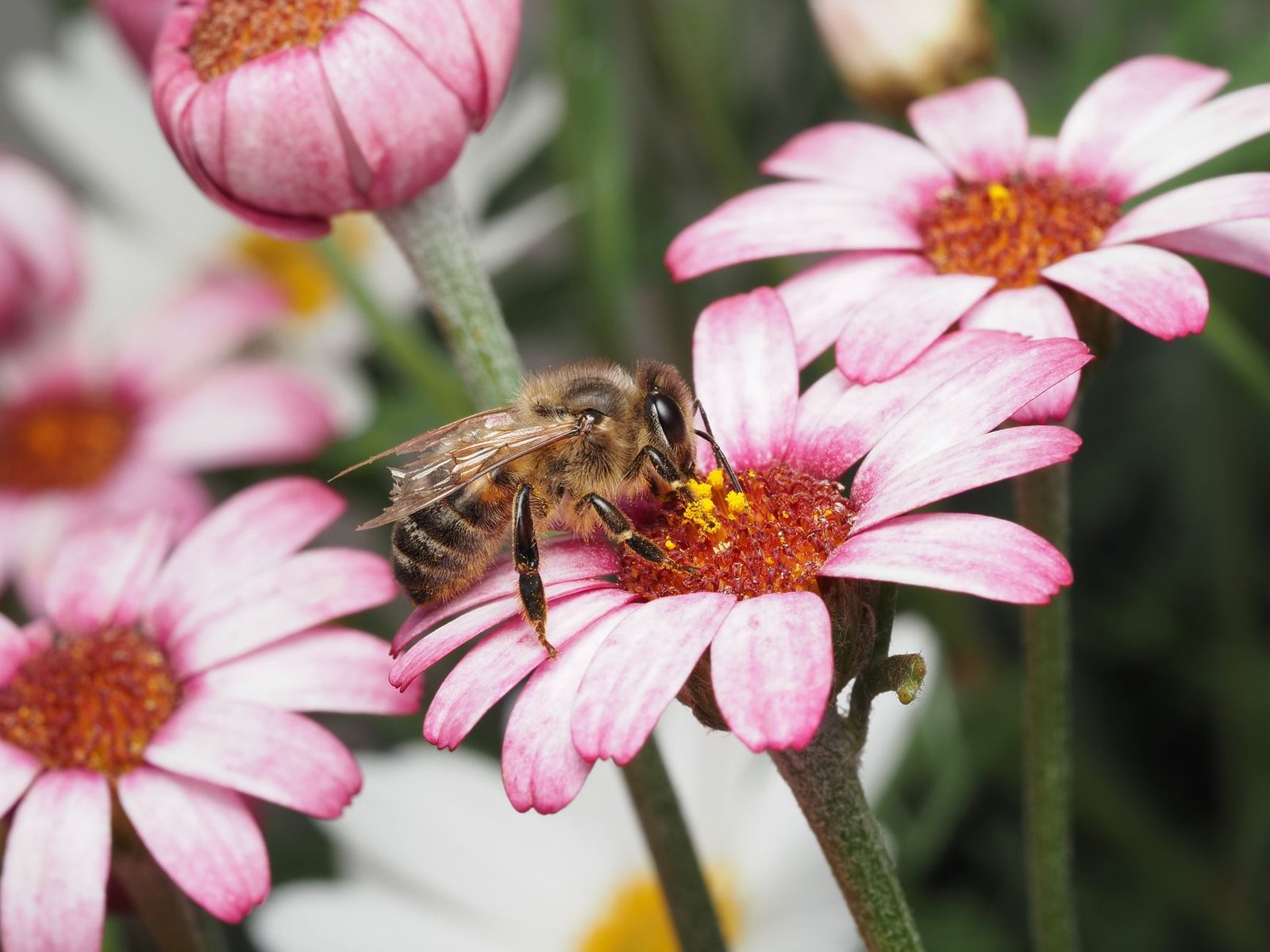
The increasing focus on ecological health within urban and suburban environments has placed pollinators at the forefront of modern gardening initiatives. For residents with limited outdoor space, selecting the most effective and manageable pollinator-friendly plants is a key consideration. This article details the top pollinator-attracting plants suitable for compact backyard spaces, emphasizing ease of care and visual appeal, specifically curated for gardeners in 2026.
The Imperative of Pollinator Support in Compact Spaces
Pollinators, including bees, butterflies, hummingbirds, and other beneficial insects, are vital for maintaining ecosystem health and supporting global food production. Even in small backyard gardens, residents can make a significant impact by providing essential forage and habitat. In 2026, trends continue to lean towards maximizing biodiversity in minimal footprints, utilizing innovative planting techniques and resilient plant selections. The challenge in compact gardens lies in choosing species that thrive without overwhelming the space, offer continuous blooms, and require minimal intervention.
Modern approaches to small-space gardening often incorporate vertical elements, smart irrigation systems, and compact, high-yield plant varieties. The emphasis is on creating a layered habitat that supports a diverse range of pollinators throughout the growing season, while also offering aesthetic pleasure to the homeowner.
Top Pollinator-Friendly Plants for Compact Gardens
Choosing the right plants involves balancing pollinator attraction with space constraints, ease of maintenance, and visual interest. The following selections represent excellent options for small backyard gardens in 2026:
-
Lavender (Lavandula angustifolia)
Lavender is a classic choice, renowned for its fragrant flowers and ability to attract a wide array of pollinators, particularly bees and butterflies. Compact cultivars like ‘Munstead’ or ‘Hidcote’ are ideal for small spaces, thriving in full sun and well-drained soil. This plant is drought-tolerant once established, aligning with 2026’s water-wise gardening trends, and its silvery-green foliage provides year-round visual appeal.
-
Coneflower (Echinacea purpurea)
Echinacea offers robust, daisy-like blooms that are highly attractive to butterflies and bees. Newer compact varieties such as ‘PowWow Wild Berry’ or ‘Cheyenne Spirit’ grow to manageable heights, typically between 18-30 inches, making them perfect for smaller beds or containers. Coneflowers are exceptionally hardy, drought-tolerant, and require minimal care, blooming profusely from summer into fall.
-
Salvia (Salvia nemorosa)
Perennial salvias, such as ‘Caradonna’ or ‘May Night’, are outstanding for attracting hummingbirds, bees, and butterflies with their spikes of vibrant purple-blue flowers. These compact cultivars typically reach 18-24 inches in height and width. Salvias are low-maintenance, heat-tolerant, and provide extended blooming periods, offering sustained nectar sources throughout the warmer months. Their adaptability to various soil types and excellent drought resistance make them a prudent choice for contemporary gardens.
-
Dwarf Bee Balm (Monarda didyma ‘Petite Wonder’)
Traditional bee balm can be quite expansive, but dwarf varieties like ‘Petite Wonder’ or ‘Pardon My Purple’ offer the same vibrant color and pollinator appeal in a much smaller package (around 10-15 inches tall). These plants are magnets for bees, butterflies, and hummingbirds. They prefer moist, well-drained soil and full sun, and their distinctive, shaggy flowers add unique texture to the garden. Disease-resistant cultivars are increasingly available, addressing past mildew concerns.
-
Sedum (Sedum spectabile)
Often referred to as ‘Stonecrop’, sedums like ‘Autumn Joy’ or ‘Dazzleberry’ are excellent for late-season nectar, providing crucial food for migrating butterflies and late-active bees. Their succulent leaves and sturdy flower heads offer architectural interest throughout the year. Sedums are incredibly drought-tolerant, requiring very little water, and thrive in full sun with minimal care, making them perfect for low-maintenance, water-conscious gardening in 2026.
-
Dwarf Aster (Symphyotrichum novae-angliae ‘Purple Dome’)
Dwarf asters provide a burst of color in late summer and fall when many other plants are fading. ‘Purple Dome’ is a popular choice, forming a compact mound of vibrant purple flowers that are irresistible to butterflies, especially monarch butterflies preparing for migration. Growing to about 18 inches tall, these asters are easy to care for, requiring full sun and moderate moisture, and are a critical late-season food source.
-
Sweet Alyssum (Lobularia maritima)
For ground cover or container edges, sweet alyssum is a fantastic annual that produces masses of tiny, fragrant flowers. Available in white, purple, and pink, it attracts small bees and beneficial insects. Its low-growing, spreading habit makes it ideal for filling gaps, and it blooms continuously throughout the growing season with minimal effort, providing a continuous, accessible nectar source.
Designing for Pollinator Success and Future Trends
Strategic Planting and Layering
Maximizing pollinator appeal in small spaces involves strategic design. Planting in drifts or clusters of the same species makes it easier for pollinators to find and utilize nectar sources efficiently. Layering plants by height – taller plants in the back or center, medium-sized in the middle, and low-growing ground covers or annuals at the front – creates a visually appealing and biodiverse habitat. Incorporating vertical gardening solutions, such as wall-mounted planters or tiered garden beds, significantly expands planting opportunities in limited footprints, a popular trend for 2026 urban landscapes.
Integrating Smart Garden Technologies
In 2026, smart gardening technologies are becoming more accessible and integrated. Automated drip irrigation systems with soil moisture sensors ensure plants receive optimal water without waste, aligning with water conservation efforts. These systems can be particularly beneficial for container gardens, preventing both over- and under-watering. Homeowners are increasingly utilizing apps to monitor soil health, plant needs, and even track local pollinator activity, enhancing the efficiency and success of their small pollinator gardens.
Embracing Sustainable Materials and Practices
The choice of materials also plays a role. Biodegradable pots, recycled composite planters, and locally sourced, permeable paving stones contribute to a more sustainable garden ecosystem. Companion planting, which involves grouping plants that benefit each other (e.g., deterring pests), reduces the need for chemical interventions. Mulching with organic materials helps retain soil moisture, suppresses weeds, and enriches the soil, further supporting a healthy pollinator habitat.
Sustainable Practices and Maintenance for 2026
Water-Wise Gardening
Drought-tolerant plants are a cornerstone of modern sustainable gardening. Xeriscaping principles, even in miniature, ensure that water resources are conserved. Collecting rainwater for irrigation and employing efficient watering methods like drip systems are crucial practices. The careful selection of plants, as outlined above, inherently reduces the garden’s water footprint.
Minimal Intervention Maintenance
For maximum pollinator benefit, a