
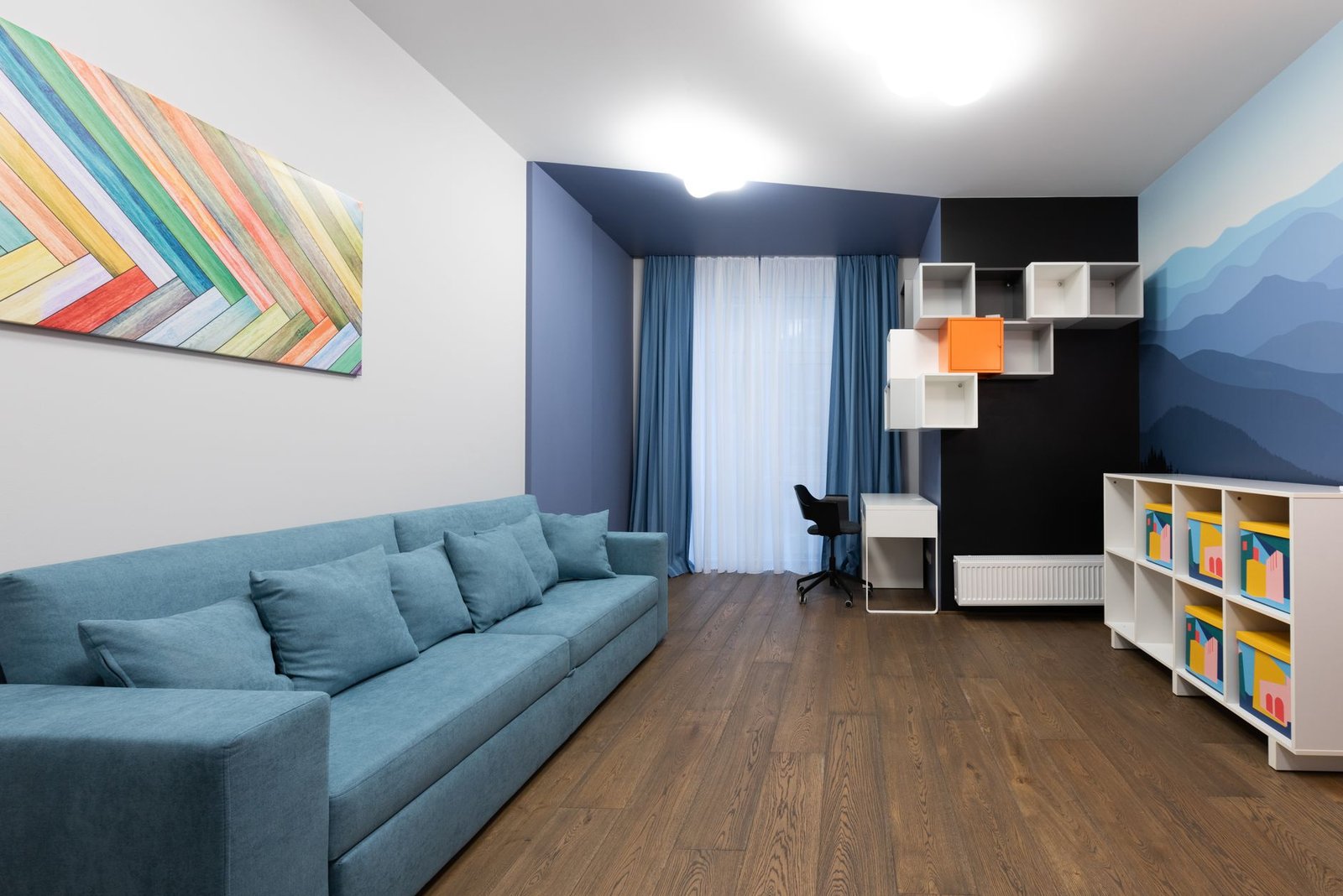
Unused or awkwardly shaped room corners often present a perplexing design challenge, creating visual dead space that detracts from a room’s overall functionality and aesthetic appeal. Transforming these overlooked areas into productive and attractive features is entirely achievable, even for the most unconventional layouts. This article explores seven intelligent design solutions, tailored for 2026 home aesthetics and technological advancements, demonstrating how to convert a spatial enigma into a valued asset within any residence.
The Challenge of Awkward Corners in Modern Living
In contemporary interior design, every square foot holds potential. Awkward corners, whether too narrow, too deep, or oddly angled, can disrupt flow and diminish a room’s perceived size. The challenge lies in harmonizing practicality with visual appeal, especially as homes in 2026 increasingly prioritize multi-functional spaces and intelligent storage solutions. Designing for these unique zones requires creativity, an understanding of modern materials, and an eye for integrating technology seamlessly.
The Evolution of Corner Design
Gone are the days when a simple floor lamp or a generic plant was the default corner filler. Today’s design philosophy encourages strategic utilization, viewing these nooks as opportunities for personalized statements or essential utility hubs. The emphasis is on custom solutions that reflect the resident’s lifestyle while enhancing the overall domestic comfort and efficiency.
Innovative Solutions for 2026 Corners
Here are seven smart design approaches to invigorate those challenging corner spaces:
-
Integrated Smart Workstation or Charging Hub
With remote work and digital connectivity continuing their prominence, a dedicated corner workstation is invaluable. For 2026, this evolves beyond a simple desk to an integrated smart hub. Consider a custom-built, floating corner desk crafted from sustainable materials like reclaimed timber or recycled polymer composites. Incorporate flush-mounted wireless charging pads, hidden cable management systems, and smart lighting that adjusts color temperature based on time of day. Ergonomic corner chairs with advanced posture support are also a key consideration for maximizing comfort and productivity. The design should feel cohesive, almost disappearing when not in use, featuring discreet storage for peripherals.
-
Biophilic Reading Nook with Vertical Garden
Foster a connection to nature by transforming a corner into a tranquil biophilic reading retreat. Install a custom-fit banquette or a comfortable armchair with integrated storage underneath. Above this, a vertical garden or moss wall featuring low-maintenance, air-purifying plants becomes the focal point. Smart irrigation systems can be discreetly integrated, and LED grow lights can ensure plant health. Natural wood shelving or translucent acoustic panels made from recycled PET felt can frame the space, offering both visual warmth and sound dampening. The use of natural textures and soft, diffused lighting creates an inviting sanctuary for relaxation.
-
Modular Storage and Display System
Maximize vertical space with a customizable, modular shelving or cabinet system designed specifically for the corner’s dimensions. Modern systems often feature adaptable configurations, allowing for open display areas alongside closed storage. Materials trending in 2026 include fluted wood panels, ribbed glass inserts, and matte metal finishes. For irregular angles, custom millwork provides a tailored fit. The resident can curate displays of art, books, or personal collections, while discreet compartments hide clutter, maintaining a streamlined aesthetic.
-
Pet-Centric Comfort Zone
For households with pets, an awkward corner can become a dedicated haven for furry companions. Design a built-in pet bed with an orthopedic mattress, elevated food and water bowls integrated into a low cabinet, and accessible storage for toys and grooming supplies. Using durable, easy-to-clean materials like performance fabrics or sealed concrete for the base is crucial. Integrated smart sensors can monitor pet activity or dispense food at scheduled times, reflecting 2026’s focus on smart home integration for all family members, including pets. Soft, indirect lighting can create a calming atmosphere.
-
Acoustic Privacy Pod or Meditation Corner
In open-plan living environments, privacy is a luxury. An awkward corner can be enclosed or partially enclosed to create a mini-privacy pod. Utilize sound-absorbing materials such as upholstered panels made from recycled fabrics, cork, or specialized acoustic felt. A small, comfortable chair or floor cushion, along with a minimalist side table, can define the space. Smart ambient lighting that changes colors for mood enhancement, perhaps controlled via a voice assistant, can further personalize the experience. This corner becomes a quiet retreat for focused work, meditation, or simply escaping the household bustle.
-
Integrated Bar or Beverage Station
Entertaining at home remains a popular activity, and a corner can host a sophisticated beverage station. Custom cabinetry can house a compact under-counter refrigerator, a small sink, and glassware storage. Backlit shelves with smart LED strips can highlight bottles and stemware. Surfaces might incorporate quartz or sintered stone for durability and ease of cleaning, echoing 2026’s preference for low-maintenance luxury. Consider a built-in coffee maker or a smart water dispenser for filtered, chilled, or sparkling water, enhancing convenience and offering a touch of modern hospitality.
-
Dynamic Art Installation or Sculptural Feature
When utility is not the primary concern, a corner can be transformed into a dynamic visual statement. Commission a site-specific art installation that responds to the room’s geometry, or feature a sculptural piece illuminated by targeted smart spotlights. Large-scale digital art displays that cycle through different visuals can also be integrated, providing ever-changing scenery. For 2026, consider interactive art that responds to presence or sound, or pieces made from recycled materials, emphasizing sustainability and innovative craftsmanship. This approach turns a perceived flaw into a captivating focal point.
Strategic Material Choices and Tech Integration
Sustainable and Smart Materials for 2026
The materials chosen in 2026 for corner transformations are often defined by their sustainability, durability, and integration capabilities. Reclaimed wood, bamboo, and cork offer warmth and eco-friendliness. Recycled plastics and composites provide versatile, lightweight, and often colorful options. Self-cleaning surfaces, like those treated with photocatalytic coatings, are gaining traction for high-traffic or easily soiled areas. Transparent or translucent elements, such as fluted glass or acrylic, can add depth without heaviness.
Seamless Technology Integration
Technology in 2026 is less about visible gadgets and more about seamless integration. Smart lighting systems that adapt to circadian rhythms, hidden charging stations, and discreet acoustic solutions are paramount. Voice-activated controls for lighting, heating, or entertainment can elevate the functionality of a corner space without introducing visual clutter. The goal is an intuitive environment that anticipates the resident’s needs.
Conclusion: Maximizing Every Square Foot
Awkward room corners are no longer design obstacles but rather unique opportunities for innovation. By employing smart design principles, selecting cutting-edge materials, and thoughtfully integrating modern technology, homeowners can transform these challenging spaces into highly functional, aesthetically pleasing, and personalized areas. The solutions presented for 2026 underscore a commitment to maximizing utility, embracing sustainability, and enhancing domestic comfort, proving that every corner, no matter how unconventional, possesses significant potential for enrichment.