
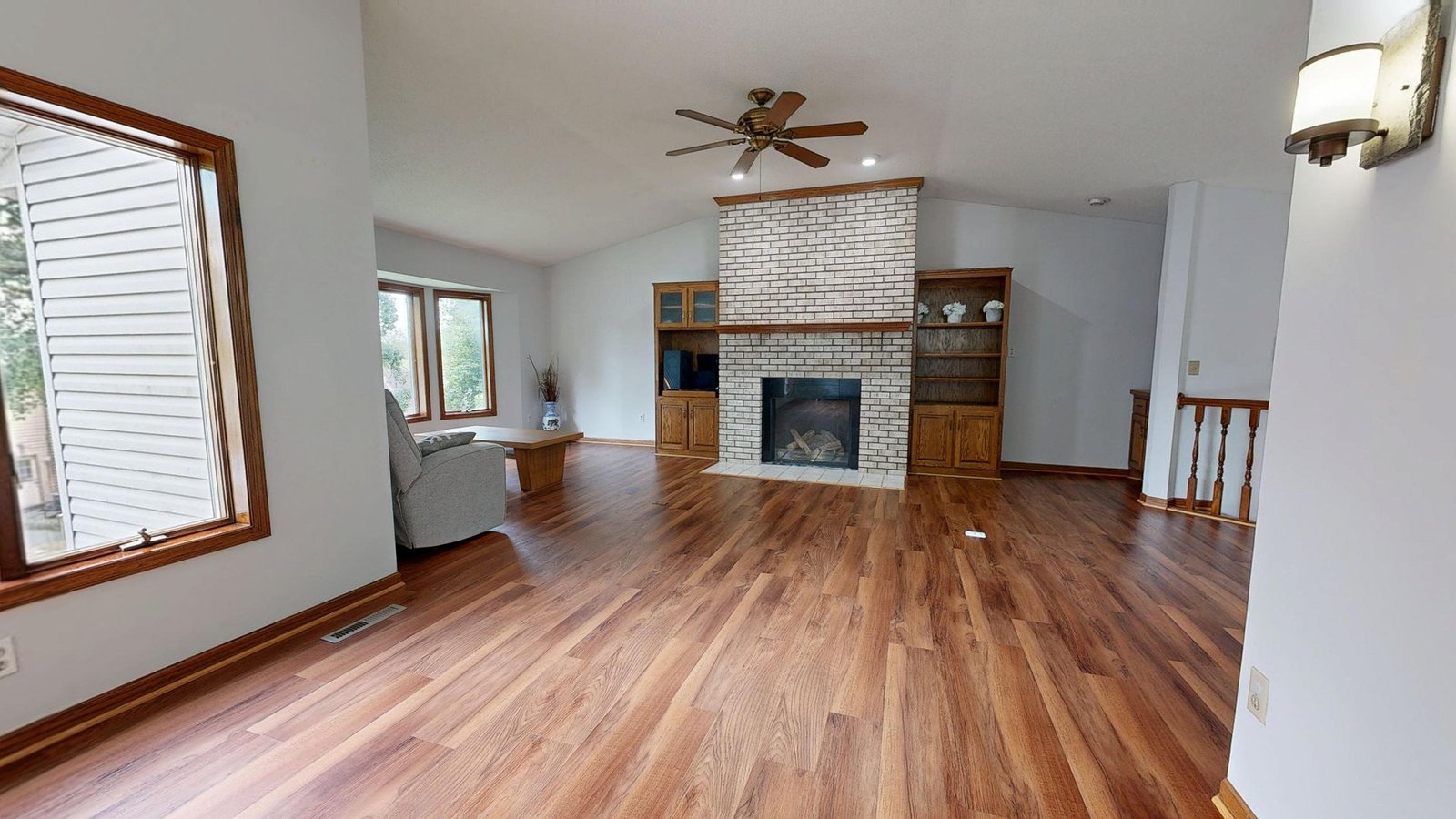
For homeowners and interior designers navigating the myriad of flooring options for 2026 living rooms, the choice between classic hardwood and advanced luxury vinyl plank (LVP) presents a significant deliberation. While hardwood offers timeless appeal and undeniable long-term value, modern LVP provides unparalleled durability and design versatility, often at a more accessible price point. The ‘better’ option ultimately hinges on specific priorities related to aesthetics, performance, budget, and lifestyle for the particular living space.
The Enduring Appeal of Hardwood in 2026
Hardwood flooring continues to be a hallmark of sophistication and warmth in contemporary interior design. Its natural beauty and unique grain patterns create an authentic, inviting atmosphere that is difficult to replicate.
Aesthetics and Authenticity
In 2026, hardwood trends lean towards wider and longer planks, which visually expand living room spaces and convey a sense of grandiosity. Lighter, natural, and ‘greige’ stains are particularly popular, allowing the innate character of the wood to shine through. Reclaimed wood options are also gaining traction, offering sustainable choices and a distinct historical patina. The ability to customize finishes and stains ensures that hardwood can be perfectly tailored to any design aesthetic, from minimalist modern to rustic farmhouse.
Durability and Lifespan
With proper care, hardwood floors offer exceptional longevity, often lasting decades or even centuries. Modern hardwood products frequently feature enhanced factory finishes, incorporating advanced ceramic or aluminum oxide layers that significantly improve resistance to daily wear, minor scratches, and scuffs compared to past iterations. While wood remains susceptible to moisture and humidity fluctuations, 2026 smart home systems increasingly offer precise climate control, helping to mitigate warping or gapping issues. The key advantage of hardwood lies in its ability to be refinished multiple times, allowing the surface to be restored to its original splendor or updated with new stains as design preferences evolve.
Cost Implications
The initial investment for hardwood flooring is typically higher than for LVP, encompassing both material and professional installation costs. However, hardwood is often considered a premium upgrade that significantly enhances a property’s resale value. Its durability and refinishing potential translate to a very low long-term cost when amortized over its extensive lifespan.
Maintenance Regimen
Hardwood requires a diligent but manageable maintenance routine. Regular sweeping or vacuuming is essential to remove abrasive dirt and debris. Spills should be wiped immediately to prevent moisture penetration. While modern finishes offer improved resistance, periodic professional cleaning and eventual refinishing are necessary to preserve the floor’s integrity and appearance. Maintaining consistent indoor humidity levels is also crucial for its long-term health.
Luxury Vinyl Plank (LVP): The 2026 Innovation Challenger
Luxury Vinyl Plank has transformed the resilient flooring market, offering compelling performance and aesthetic versatility that rivals natural materials. Its rapid evolution makes it a formidable contender for any 2026 living room.
Replicating Reality: Aesthetics
The aesthetic capabilities of 2026 LVP are nothing short of remarkable. Advanced high-definition printing and ’embossed-in-register’ (EIR) technology create textures that precisely match the visual grain of wood or the feel of natural stone, offering an almost indistinguishable realism. Manufacturers are producing larger and wider planks, mimicking popular hardwood formats, alongside multi-tonal and distressed visuals that capture the essence of aged timber. The sheer variety of styles, colors, and patterns available allows for incredible design flexibility, enabling homeowners to achieve high-end looks without the associated costs or maintenance of natural materials. Furthermore, many 2026 LVP products incorporate enhanced UV-resistant layers, effectively preventing color fading in sun-drenched living spaces.
Unmatched Durability and Performance
Durability is a core strength of LVP, particularly for busy living rooms. The rigid core constructions, primarily Stone Plastic Composite (SPC) and Wood Plastic Composite (WPC), provide exceptional resistance to dents and impacts. The top wear layer, often infused with ceramic beads or even diamond particles in high-end offerings, delivers superior protection against scratches, scuffs, and abrasions – an ideal feature for homes with pets or active children. Crucially, LVP is almost entirely waterproof, making it impervious to spills and humidity, a significant advantage over hardwood. Many 2026 LVP lines also integrate advanced acoustic dampening layers, reducing sound transmission and contributing to a quieter, more comfortable living environment.
Cost-Effectiveness
LVP generally boasts a lower upfront cost than hardwood, both for materials and installation. Its ease of installation, often featuring simple click-lock systems, can also reduce labor expenses. This combination makes high-quality LVP an excellent value proposition, offering premium aesthetics and robust performance within a more accessible budget range.
Effortless Maintenance
The low-maintenance nature of LVP is a major draw for modern homeowners. Regular cleaning involves simple sweeping, vacuuming, or damp mopping with a mild cleaner. There is no need for waxing, polishing, or refinishing, which significantly reduces the ongoing time and effort required to keep the floor looking pristine. Its waterproof properties make spill cleanup stress-free.
Key Considerations for the 2026 Living Room
The selection process requires a holistic view of the living space’s intended use and the resident’s priorities.
Lifestyle and Usage
For living rooms with high traffic, pets, or young children, LVP’s superior resistance to scratches, dents, and moisture offers a clear practical advantage. Its waterproof nature provides peace of mind against accidental spills and pet messes. Hardwood, while durable, demands more immediate attention to spills and can be more susceptible to scratching from pet claws or heavy furniture movement.
Resale Value and Investment
Historically, hardwood has been considered a stronger contributor to a property’s resale value due to its perceived luxury and timeless appeal. However, high-quality, aesthetically sophisticated LVP in 2026 is increasingly viewed as a desirable, modern upgrade that appeals to a broad range of buyers, especially those prioritizing low maintenance and performance.
Sustainability and Environmental Impact
Sustainability is a growing concern for many homeowners. Responsibly sourced hardwood (e.g., FSC-certified) is a renewable resource, boasts a long lifespan, and is biodegradable at the end of its utility. LVP, traditionally a PVC-based product, has faced environmental scrutiny regarding its manufacturing and end-of-life disposal. However, 2026 sees advancements with manufacturers introducing options with recycled content, phthalate-free formulations, and increased efforts towards recycling programs, reducing its overall environmental footprint.
Installation Nuances
Hardwood installation often requires professional expertise, a precise acclimation period, and can be a more labor-intensive process. LVP, particularly with modern click-lock systems, is often suitable for DIY installation by a moderately skilled individual, leading to quicker project completion and potentially lower labor costs. Its flexibility also allows for installation over a wider variety of existing subfloors.
Conclusion
For the 2026 living room, neither hardwood nor luxury vinyl plank emerges as universally