
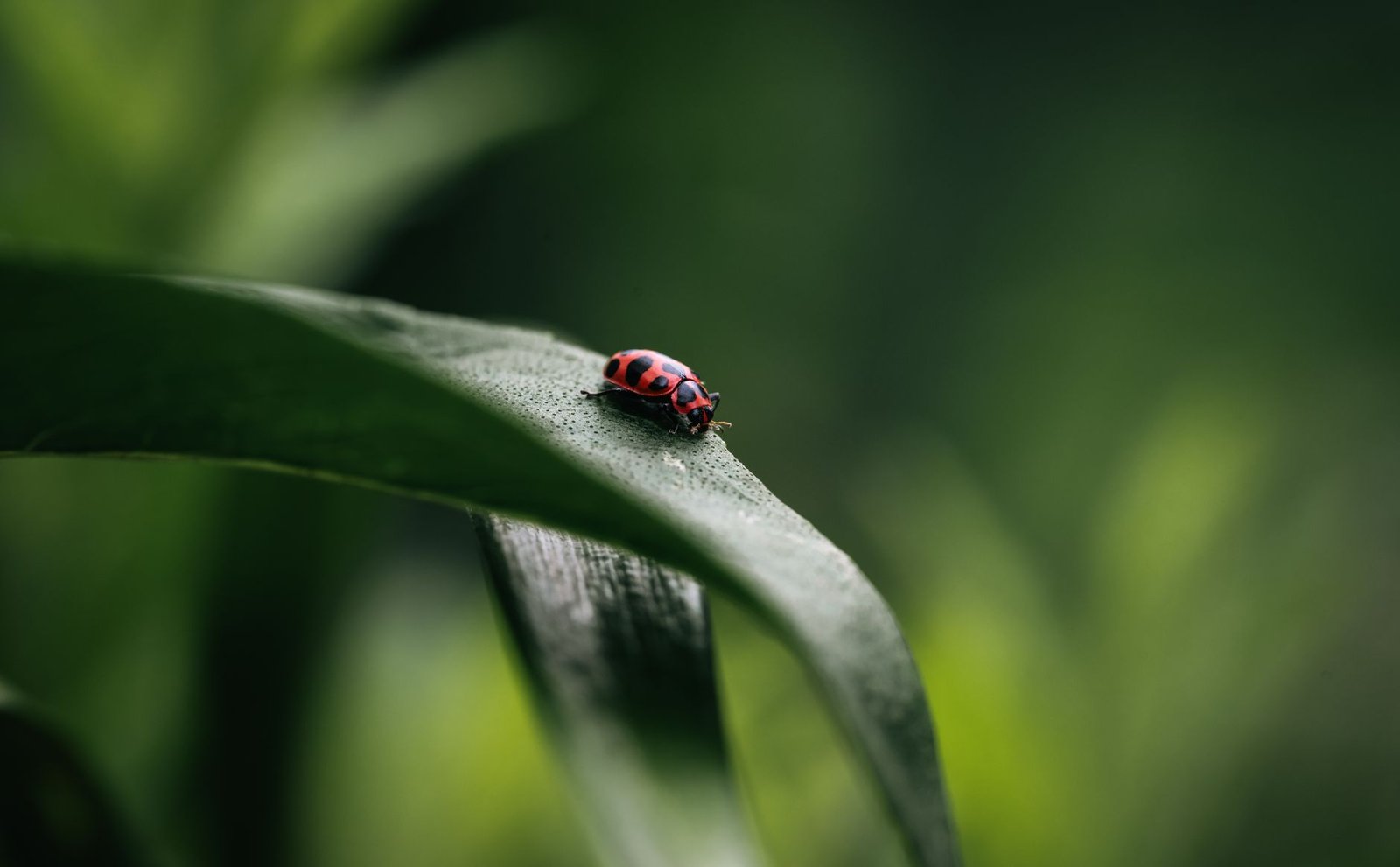
Garden pests can indeed pose a significant threat to a thriving harvest, diminishing yields and plant vitality. For homeowners seeking to safeguard their botanical investments without resorting to harsh chemicals, 2026 offers an array of sophisticated and eco-conscious strategies. This article details eight highly effective organic pest control solutions designed to protect garden plants and ensure bountiful harvests through natural, sustainable methods.
The Case for Organic Pest Management in 2026
As the gardening landscape evolves into 2026, the emphasis on sustainability and ecological harmony has never been stronger. Consumers are increasingly aware of the environmental impact of synthetic pesticides and are actively seeking alternatives that protect not only their plants but also pollinators, soil health, and local ecosystems. Organic pest control methods align perfectly with this paradigm shift, offering robust protection while fostering a healthier garden environment. These techniques leverage nature’s own mechanisms, enhancing biodiversity and ensuring the long-term vitality of any cultivated space. The resident committed to an organic approach contributes positively to broader environmental goals, moving towards a future where gardens thrive in balance with nature.
Eight Proven Organic Pest Control Solutions for a Bountiful 2026
1. Harnessing the Power of Companion Planting
Companion planting involves strategically placing different plant species together to achieve mutual benefits, such as pest deterrence or enhanced growth. In 2026, understanding specific plant volatile organic compounds and their interactions is more accessible, allowing for highly effective pairings. For instance, planting marigolds near vegetables can deter nematodes and other soil pests, while nasturtiums act as a trap crop for aphids. Garlic and chives, when interplanted, help repel various common garden adversaries. The homeowner can utilize advanced garden planning software, often incorporating AI-driven recommendations, to optimize companion planting layouts for their specific microclimate and pest challenges.
2. Inviting Beneficial Insects and Microbes
Introducing or encouraging natural predators and beneficial microorganisms is a cornerstone of organic pest control. Ladybugs, lacewings, and parasitic wasps are voracious eaters of aphids, mites, and other soft-bodied pests. In 2026, the availability of locally sourced beneficial insect colonies has expanded, often delivered with precision release systems for optimal effectiveness. Furthermore, the use of beneficial nematodes—microscopic roundworms that target soil-dwelling pests—has become more refined, with specific strains available for different pest types. Creating diverse habitats with native flowers and a water source encourages these natural allies to reside permanently within the garden, forming a robust biological defense system.
3. Strategic Neem Oil Applications
Derived from the neem tree, neem oil is a powerful botanical insecticide, fungicide, and miticide. Its active compound, azadirachtin, acts as an antifeedant, growth disruptor, and repellent for over 200 species of pests without harming beneficial insects or mammals. For 2026, homeowners can find ethically sourced, cold-pressed neem oil formulations that ensure maximum potency and purity. Proper application involves mixing it with water and a mild, biodegradable soap (as an emulsifier) and spraying it thoroughly on affected plants, ideally during cooler parts of the day to prevent leaf burn. Regular, consistent application is key to breaking pest life cycles.
4. Effective Insecticidal Soaps and Horticultural Oils
Insecticidal soaps are potassium salt of fatty acids that work by disrupting the cell membranes of soft-bodied insects like aphids, spider mites, mealybugs, and whiteflies. They are contact killers and leave minimal residue, making them safe for food crops right up to harvest. Horticultural oils, often derived from mineral oil or plant-based oils, work by smothering insect eggs, larvae, and adults, preventing respiration. Modern formulations available in 2026 are often highly refined and biodegradable, minimizing environmental impact. The resident should apply these solutions thoroughly, ensuring complete coverage of pests and plant surfaces, and always follow product instructions to avoid plant stress.
5. Implementing Physical Barriers and Row Covers
Preventing pests from accessing plants in the first place is an incredibly effective organic strategy. Floating row covers, made from lightweight, breathable fabric, can be draped over plants, creating a physical barrier against flying insects like cabbage moths, squash bugs, and flea beetles. In 2026, advanced breathable fabrics engineered for optimal light transmission and UV resistance are widely available, ensuring plants receive adequate sunlight while remaining protected. Netting can also be used for larger structures or specific plants. The resident installs these barriers immediately after planting and removes them only for pollination or harvest, ensuring a pest-free growing environment.
6. Crafting DIY Repellent Sprays
Simple, homemade sprays using common kitchen ingredients can effectively deter a range of pests. A garlic spray, made by blending garlic cloves with water and a touch of biodegradable soap, creates a potent repellent due to its strong scent and sulfur compounds. Similarly, a chili pepper spray utilizes capsaicin to irritate pests. These solutions are generally safe and inexpensive, providing an immediate, non-toxic defense. Modern atomizers and spray bottles available in 2026 offer finer misting capabilities, ensuring even coverage and greater efficacy for these DIY formulations. Regular application, especially after rain, helps maintain their protective qualities.
7. Mastering Crop Rotation and Garden Sanitation
Crop rotation is a fundamental practice in organic gardening that disrupts pest life cycles and prevents disease buildup in the soil. By not planting the same crop (or members of the same plant family) in the same location year after year, the resident starves out pests that overwinter in the soil or whose larvae feed on specific plant roots. Garden sanitation involves promptly removing diseased or infested plant material, fallen leaves, and weeds, which can harbor pests and pathogens. Digital garden planning tools available in 2026 often include crop rotation features, simplifying the tracking and planning process to optimize soil health and pest prevention across growing seasons.
8. Utilizing Smart Trapping and Monitoring Solutions
Traps serve both as a monitoring tool and a direct control method for certain pests. Sticky traps, available in various colors to attract specific insects, help gauge pest populations and can reduce numbers of flying insects. Pheromone traps use synthetic insect sex hormones to lure and capture target pests, particularly effective for moths and beetles. In 2026, smart traps integrated with IoT platforms offer real-time monitoring, alerting the homeowner to pest presence and population spikes via a mobile app, allowing for targeted intervention before infestations become severe. Always consider humane and environmentally responsible trap designs.
Integrating 2026 Trends in Organic Pest Control
Beyond these eight direct methods, the homeowner in 2026 benefits from broader advancements. AI-powered diagnostic tools can now analyze plant photos to identify specific pests and recommend organic solutions with increasing accuracy. The market for advanced biopesticides, utilizing highly specific microbial agents or plant extracts, is expanding, offering precision targeting without broad-spectrum impact. Furthermore, a growing emphasis on closed-loop systems and sustainable packaging ensures that all organic gardening inputs are environmentally conscious, from soil amendments to pest control products. These trends collectively empower the resident to maintain a thriving, chemical-free garden with greater ease and effectiveness.
Conclusion: A Thriving, Chemical-Free Harvest
Protecting garden harvests from pests in 2026 does not require a compromise on environmental values. By embracing these eight organic pest control solutions—from the ancient wisdom of companion planting to the cutting-edge insights of smart trapping—the homeowner can cultivate a vibrant, productive garden. Each method contributes to a holistic approach, fostering a resilient ecosystem where plants flourish naturally. The resident can look forward to abundant, healthy harvests, secure in the knowledge that their gardening practices are nurturing both their household and the planet.