
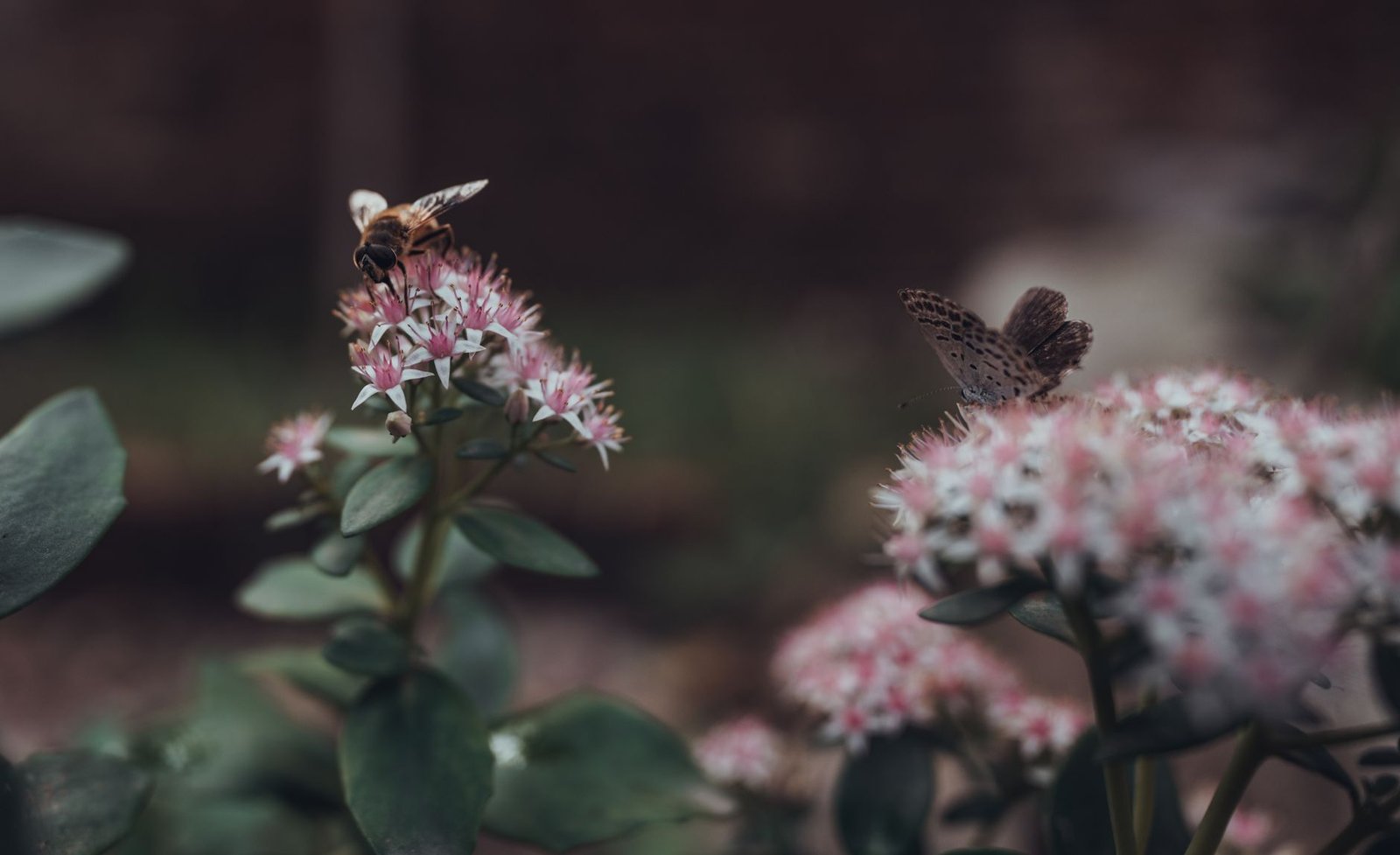
Cultivating Biodiversity: Top Native Plants for 2026 Pollinator Gardens
For residents seeking to enhance ecological diversity and support vital ecosystems, selecting native plants is the most effective strategy for attracting bees and butterflies to a 2026 garden. Species such as Milkweed (Asclepias spp.), Purple Coneflower (Echinacea purpurea), and Bee Balm (Monarda spp.) provide essential nectar, pollen, and host plant resources, forming the cornerstone of a vibrant pollinator habitat. Integrating these indigenous selections ensures local bee and butterfly populations thrive, contributing significantly to regional biodiversity.
The Imperative of Native Planting in 2026
As ecological awareness grows, the focus for 2026 landscaping increasingly shifts towards sustainability and biodiversity. Native plants are inherently adapted to local climate conditions and soil types, requiring less water, fertilizer, and pest control once established. This resilience makes them a superior choice for modern, eco-conscious garden designs, aligning with current trends in low-impact landscaping and climate-resilient horticulture. Furthermore, their symbiotic relationship with native fauna establishes a crucial support system that exotic species often cannot provide. The resident’s choice to incorporate these plants directly impacts the health and longevity of local insect populations, which are foundational to broader ecosystem stability.
Key Native Plant Species for Attracting Pollinators
Selecting the right native plants ensures a continuous bloom cycle, providing sustenance for pollinators throughout the growing season. The following species are highly recommended for their proven ability to attract and support various bee and butterfly species:
- Milkweed (Asclepias spp.): Indispensable for monarch butterflies, as it is their sole host plant. Various species exist for different regions, such as Common Milkweed (Asclepias syriaca) or Butterfly Milkweed (Asclepias tuberosa). Its nectar also attracts a wide array of other butterflies and bees.
- Purple Coneflower (Echinacea purpurea): A hardy perennial known for its distinctive blooms. It offers abundant nectar and pollen for a variety of bees, including bumblebees, and provides landing pads for butterflies like swallowtails and fritillaries.
- Bee Balm (Monarda spp.): Also known as Wild Bergamot, this plant is a magnet for bees, especially bumblebees and long-tongued bees, as well as hummingbirds and a range of butterflies. Its tubular flowers are perfectly suited for these visitors.
- Blazing Star (Liatris spicata): With its upright flower spikes, Blazing Star is a spectacular attractant for swallowtail butterflies, monarch butterflies, and various native bees. It provides a striking vertical element in garden design.
- Wild Lupine (Lupinus perennis): A crucial host plant for the Karner Blue butterfly, an endangered species. Its vibrant blue-purple flowers are also an excellent nectar source for many bee species.
- Asters (Symphyotrichum spp.): Late-season bloomers like New England Aster (Symphyotrichum novae-angliae) are vital for providing nectar to migrating monarch butterflies and late-season bees. They offer a final burst of color and sustenance before winter.
- Goldenrod (Solidago spp.): Often unfairly maligned, native Goldenrods are critical late-season nectar and pollen sources for a vast array of bees, wasps, and butterflies. Species like Showy Goldenrod (Solidago speciosa) are excellent garden choices.
Designing and Integrating a Pollinator Garden in 2026
Beyond plant selection, strategic design and modern material integration significantly enhance a pollinator-friendly garden. The year 2026 sees a heightened emphasis on ecological functionality combined with aesthetic appeal and sustainable practices.
Principles of Pollinator-Friendly Design
When planning a garden, consider the following:
- Layered Planting: Implement diverse plant heights and forms, from groundcovers to shrubs, to create varied microclimates and habitats.
- Clustered Planting: Plant species in groups or drifts of at least three to five individuals. This creates visible landing zones for pollinators and maximizes nectar and pollen rewards, making foraging more efficient.
- Successional Blooming: Ensure a continuous bloom period from early spring to late autumn by selecting species that flower at different times. This provides a constant food source.
- Water Sources: Incorporate shallow water features, such as bird baths with stones for perching, or a simple butterfly puddler, to provide hydration.
- Shelter and Nesting Sites: Leave some areas undisturbed with leaf litter, dead wood, or bare soil for ground-nesting bees and overwintering butterflies. Consider installing a bee hotel made from sustainable, reclaimed wood or bamboo for cavity-nesting bees.
2026 Trends and Material Developments
The modern pollinator garden leverages advancements in sustainable horticulture and smart technology:
- Advanced Soil Amendments: Biochar-enhanced soils and mycorrhizal fungal inoculants are increasingly used to improve soil health, water retention, and nutrient availability, reducing the need for synthetic fertilizers.
- Smart Irrigation Systems: While native plants are drought-tolerant once established, smart irrigation systems equipped with soil moisture sensors can optimize initial establishment watering, ensuring efficient water use during crucial growth phases.
- Biophilic Hardscaping: The integration of permeable paver systems, made from recycled aggregates, allows for better rainwater infiltration, reducing runoff and supporting healthier soil ecosystems. Natural stone paths and benches provide thermal mass for sunning insects.
- Sustainable Edging and Raised Beds: Materials like recycled composite lumber or locally sourced, untreated cedar are popular for defining garden beds, offering longevity with minimal environmental impact.
- Integrated Pest Management (IPM) Technology: Monitoring solutions, including drone-based spectral analysis for large landscapes, are helping residents identify pest issues early without resorting to broad-spectrum pesticides, preserving beneficial insect populations.
Maintaining a Thriving Pollinator Habitat
Long-term success relies on mindful maintenance practices. Avoid the use of systemic pesticides, which harm pollinators even when targeting garden pests. Opt for natural pest control methods or tolerate minor insect damage, understanding it is often part of a healthy ecosystem. Minimal tidying in autumn is recommended; leaving spent plant stalks and leaf litter over winter provides essential shelter and nesting sites for many beneficial insects, including overwintering butterfly chrysalises and bee larvae. In spring, gradually clear debris as temperatures rise, allowing beneficial insects to emerge before cleanup.
By embracing native plant species and integrating thoughtful design principles with 2026’s sustainable innovations, the resident can create a garden that is not only visually appealing but also a vibrant, essential sanctuary for bees and butterflies. This approach fosters local biodiversity, contributes to environmental resilience, and offers profound aesthetic and ecological rewards for the homeowner.