
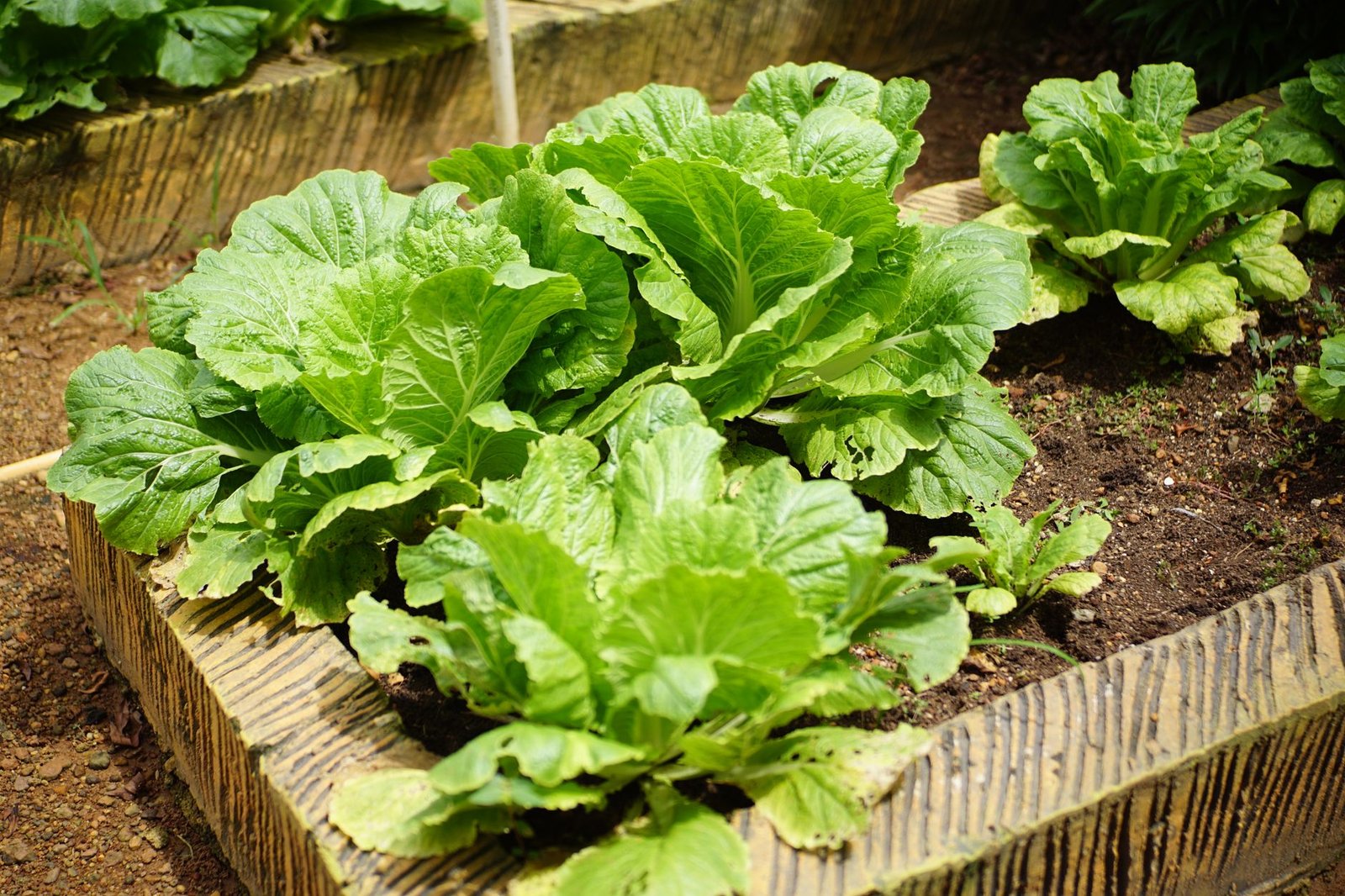
For a beginner’s 2026 garden seeking optimal pest resistance and a high likelihood of success, Spinach or Swiss Chard stand out as the top choices for ease of cultivation and inherent resilience against common garden pests. These leafy greens offer robust growth, quick harvests, and generally deter many insects that plague other vegetable varieties, making them ideal for individuals new to gardening.
Understanding Pest Resistance for Novice Gardeners in 2026
Beginning a garden often presents challenges, with pest management frequently being a significant hurdle. A pest-resistant vegetable inherently possesses characteristics that make it less appealing or more difficult for pests to damage. This can include specific leaf textures, natural chemical compounds, rapid growth cycles, or simply being less favored by common garden invaders. For the novice gardener in 2026, selecting such varieties is paramount for building confidence and ensuring a bountiful yield without extensive chemical intervention.
The year 2026 emphasizes sustainable and integrated pest management (IPM) practices, moving beyond reactive chemical treatments. Modern horticultural trends lean heavily into preventative measures and fostering a balanced ecosystem. This includes leveraging advancements in cultivar genetics, understanding soil microbiome health, and employing smart gardening technologies that provide data-driven insights. Focusing on inherently resilient plants aligns perfectly with these contemporary approaches, minimizing the need for constant monitoring and intervention by the resident.
Top Pest-Resistant Varieties for 2026 Success
While many vegetables can fall prey to pests under various conditions, several stand out for their consistent ability to resist or recover from insect attacks. Prioritizing these allows the beginner to focus on fundamental gardening techniques rather than battling infestations.
Leafy Greens: Spinach and Swiss Chard
- Spinach (Spinacia oleracea): Celebrated for its cool-weather tolerance and quick maturation, spinach is generally resistant to many common pests like aphids and leaf miners, especially certain varieties bred for improved resistance. Its smooth leaves are less attractive to some chewing insects.
- Swiss Chard (Beta vulgaris subsp. cicla): A close relative to beets, Swiss chard is exceptionally robust and tolerant of various growing conditions. It is notably resistant to many common pests and diseases, including leaf spot and downy mildew. Its vibrant stems and crinkled leaves often deter insect predation more effectively than delicate lettuce varieties.
Allium Family: Garlic and Onions
- Garlic (Allium sativum): A powerful natural deterrent. Planting garlic strategically throughout the garden can repel a wide range of pests, including aphids, slugs, and Japanese beetles, due to its strong aroma and sulfur compounds.
- Onions (Allium cepa): Similar to garlic, onions possess compounds that are unappealing to many insects. They are generally low-maintenance and less susceptible to significant pest damage, though onion maggots can be an issue in some regions.
Root Vegetables
- Carrots (Daucus carota subsp. sativus): While carrot rust flies can be a localized problem, carrots grown in healthy soil and rotated annually tend to be quite resilient. Varieties with strong tops can also offer some protection.
- Radishes (Raphanus sativus): Quick-growing and often acting as a trap crop for certain pests, radishes are generally not severely impacted by most insects. Their rapid life cycle means they can be harvested before significant damage occurs.
Herbs with Purpose
- Mint (Mentha spp.): Known for its vigorous growth, mint’s strong aroma deters many common garden pests. Care must be taken to contain its spread, but its pest-repelling qualities are undeniable.
- Rosemary (Salvia rosmarinus): This aromatic herb effectively repels carrot rust flies, slugs, and some beetles. Its woody nature also makes it less susceptible to insect damage itself.
In 2026, breeders continue to develop new cultivars with enhanced pest and disease resistance. When selecting seeds or starts, the resident should look for terms like