Embracing Water-Saving Landscapes in 2026
As water conservation becomes an increasingly critical aspect of responsible homeownership, residents are actively seeking innovative alternatives to traditional grass lawns. In 2026, a diverse array of practical and aesthetically pleasing landscaping ideas offers significant water savings and reduced maintenance, moving away from the high-water-demand turf that once dominated residential landscapes.
The shift towards water-wise landscaping is driven by environmental concerns, rising utility costs, and a desire for more sustainable outdoor living spaces. Modern materials and design philosophies make it easier than ever to create a beautiful, functional yard that thrives with minimal irrigation. The following seven strategies provide concrete pathways for homeowners to transform their outdoor areas into eco-conscious havens for the current year and beyond.
The Imperative for Water Conservation in Home Landscapes
Traditional lawns, while aesthetically pleasing to some, are notoriously thirsty, often consuming vast quantities of water, fertilizers, and herbicides. With climate patterns evolving and water resources under increasing strain in many regions, embracing drought-tolerant landscape design is not merely a trend but a necessity. The year 2026 sees continued advancements in smart irrigation technology, resilient plant breeding, and sustainable hardscaping options, making the transition away from grass both achievable and rewarding for any homeowner.
Top 7 Water-Saving Landscaping Alternatives to Grass
1. Xeriscaping and Drought-Tolerant Plantings
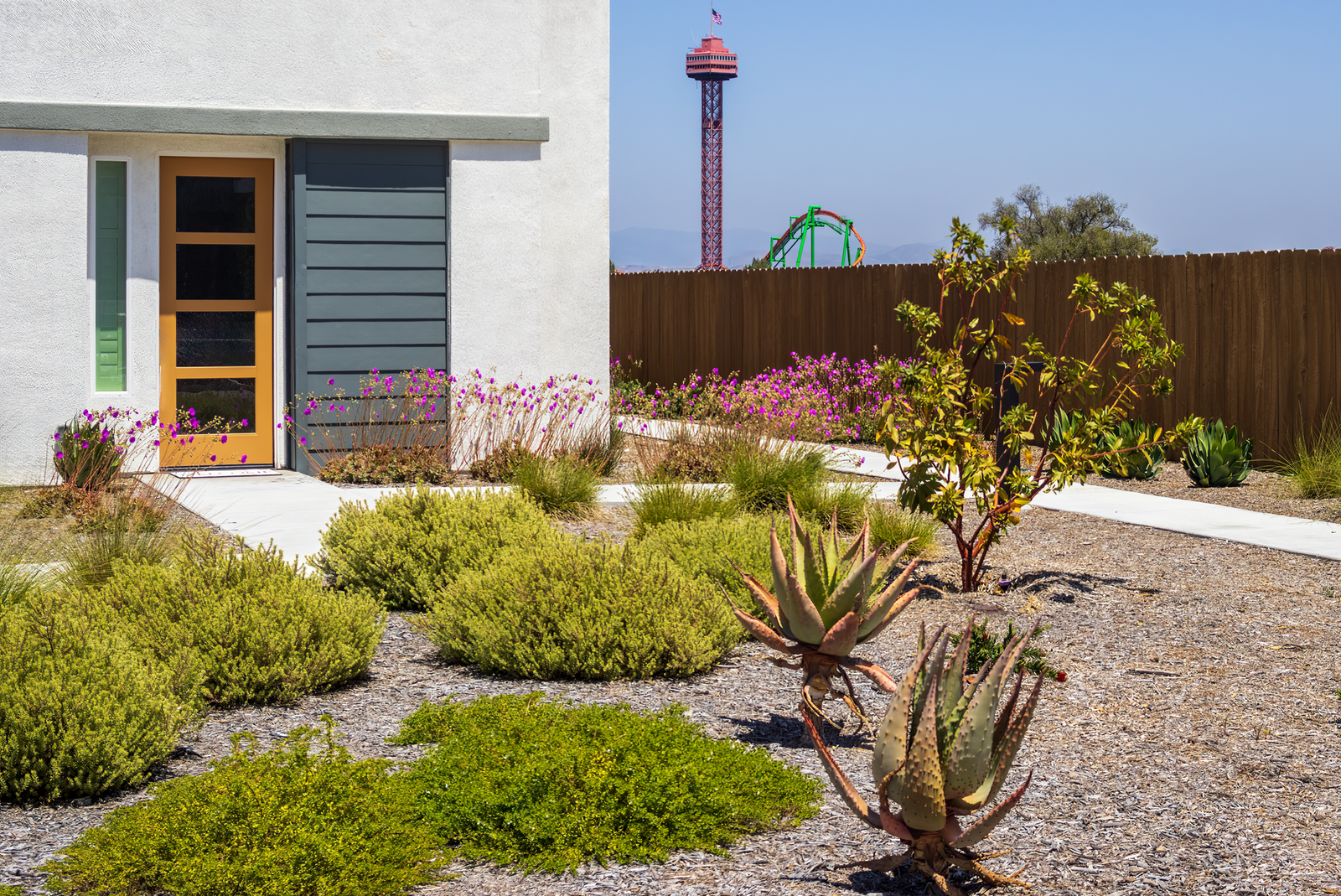
Xeriscaping, a design philosophy focused on reducing or eliminating the need for irrigation, remains a cornerstone of water-saving landscaping. This approach prioritizes native and regionally adapted plants that naturally thrive in local climates, requiring far less supplemental water once established. For 2026, there is a strong emphasis on hyper-local native species and specialized cultivars developed for enhanced drought resistance and aesthetic appeal. These plantings often include ornamental grasses, succulents, cacti, and various flowering perennials and shrubs that offer year-round interest.
- Native Plant Revival: Focus on species indigenous to the resident’s specific region. These plants are already adapted to local rainfall patterns and soil conditions.
- Succulent and Cacti Gardens: Create visually striking arrangements with diverse textures and forms, known for their exceptional water storage capabilities.
- Smart Plant Selection: Choose plants with similar water needs and group them together, simplifying irrigation zones and preventing over- or under-watering.
2. Hardscaping and Permeable Surfaces
Integrating hardscaping elements significantly reduces the area dedicated to plantings, thereby conserving water. Patios, decks, walkways, and courtyards provide functional outdoor living spaces that require no irrigation. Modern hardscaping trends for 2026 emphasize the use of permeable materials. Permeable pavers, constructed from recycled concrete, natural stone, or advanced composite materials, allow rainwater to percolate into the ground rather than running off, reducing stormwater burden and replenishing groundwater.
- Expanded Patios and Walkways: Design inviting outdoor rooms using natural stone, brick, or high-performance composite decking.
- Permeable Pavers: Utilize innovative permeable paver systems for driveways and paths to manage runoff efficiently.
- Gravel Pathways: Simple, cost-effective, and excellent for drainage, gravel paths add textural interest.
3. Advanced Artificial Turf
Artificial turf has evolved considerably beyond its early iterations. For 2026, high-quality artificial grass options boast incredibly realistic appearances, enhanced durability, and innovative cooling technologies that mitigate heat absorption. These modern synthetic lawns eliminate the need for watering, mowing, fertilizing, or pesticides, offering a perpetually green solution with minimal upkeep. Advancements in sustainable backing materials and improved drainage also contribute to their eco-friendliness.
- Realistic Aesthetics: Opt for turf varieties that mimic natural grass in color, blade shape, and texture.
- Cooling Technology: Explore infill options and turf fibers designed to reduce surface temperatures.
- Durable and Low-Maintenance: A long-term investment that provides a consistently manicured look without water usage.
4. Mulched Beds and Groundcovers
Replacing vast expanses of grass with deeply mulched garden beds is an effective and visually appealing water-saving strategy. Mulch acts as an insulating layer, retaining soil moisture, suppressing weeds, and regulating soil temperature. Both organic mulches (e.g., shredded bark, wood chips, compost) and inorganic mulches (e.g., gravel, river rock, lava rock) are excellent choices. Drought-tolerant groundcovers also offer a living alternative to turf, covering bare soil and further reducing evaporation.
- Organic Mulches: Enriches soil over time and decomposes, providing nutrients.
- Inorganic Mulches: Long-lasting, excellent for fire-prone areas, and requires less replenishment.
- Drought-Tolerant Groundcovers: Consider creeping thyme, sedum, or certain low-growing succulents that spread to form a living carpet.
5. Gravel Gardens and Zen-Inspired Spaces
Gravel gardens present a contemporary and minimalist aesthetic that is inherently water-efficient. These designs often feature large swaths of decorative gravel, interspersed with carefully selected drought-tolerant plants, boulders, and artful arrangements. Drawing inspiration from traditional Japanese Zen gardens, they offer a serene, low-maintenance outdoor space that requires virtually no irrigation once established. Different sizes and colors of gravel can create intricate patterns and textures.
- Modern Minimalism: Achieve a sleek, modern look with clean lines and textural contrast.
- Exceptional Drainage: Gravel allows water to quickly penetrate the soil, preventing pooling.
- Reduced Weeds: A proper weed barrier beneath the gravel significantly minimizes weed growth.
6. Edible Landscapes and Food Forests
Transforming portions of the landscape into an edible garden or a mini food forest provides both beauty and sustenance. Focusing on water-wise fruit trees, berry bushes, herbs, and drought-tolerant vegetables allows the homeowner to grow food while simultaneously conserving water. Raised garden beds equipped with drip irrigation systems are particularly efficient. This approach aligns with the 2026 trend of hyper-localization and self-sufficiency, integrating utility with aesthetic design.
- Fruit and Nut Trees: Select varieties suited to the local climate, such as figs, pomegranates, or specific citrus.
- Berry Bushes: Many berry varieties, like certain types of blueberries or grapes, can be grown in containers or trellises.
- Raised Garden Beds: Offer excellent drainage control and allow for precise water application.
7. Rain Gardens and Bioswales
For areas that receive significant rainfall, incorporating a rain garden or bioswale is an innovative way to manage stormwater runoff and replenish groundwater. These intentionally designed depressions are planted with water-tolerant native species that absorb and filter rainwater, preventing it from overwhelming storm drains or causing erosion. A rain garden is not only functional but also creates a beautiful habitat for local wildlife and adds a unique ecological feature to the landscape.
- Stormwater Management: Effectively captures and infiltrates runoff from roofs and paved surfaces.
- Ecological Benefit: Provides habitat and food sources for pollinators and other wildlife.
- Native Plant Integration: Utilizes plants that thrive in both wet and dry conditions, showcasing their resilience.
Designing for a Sustainable Future
The journey towards a water-saving landscape in 2026 offers immense creative freedom and significant benefits for the homeowner and the environment. By carefully planning and implementing these grass-free alternatives, residents can cultivate stunning outdoor spaces that demand less water, reduce maintenance, and contribute positively to ecological sustainability. Embracing these modern approaches ensures a beautiful, resilient landscape that stands the test of time and changing climatic conditions.