
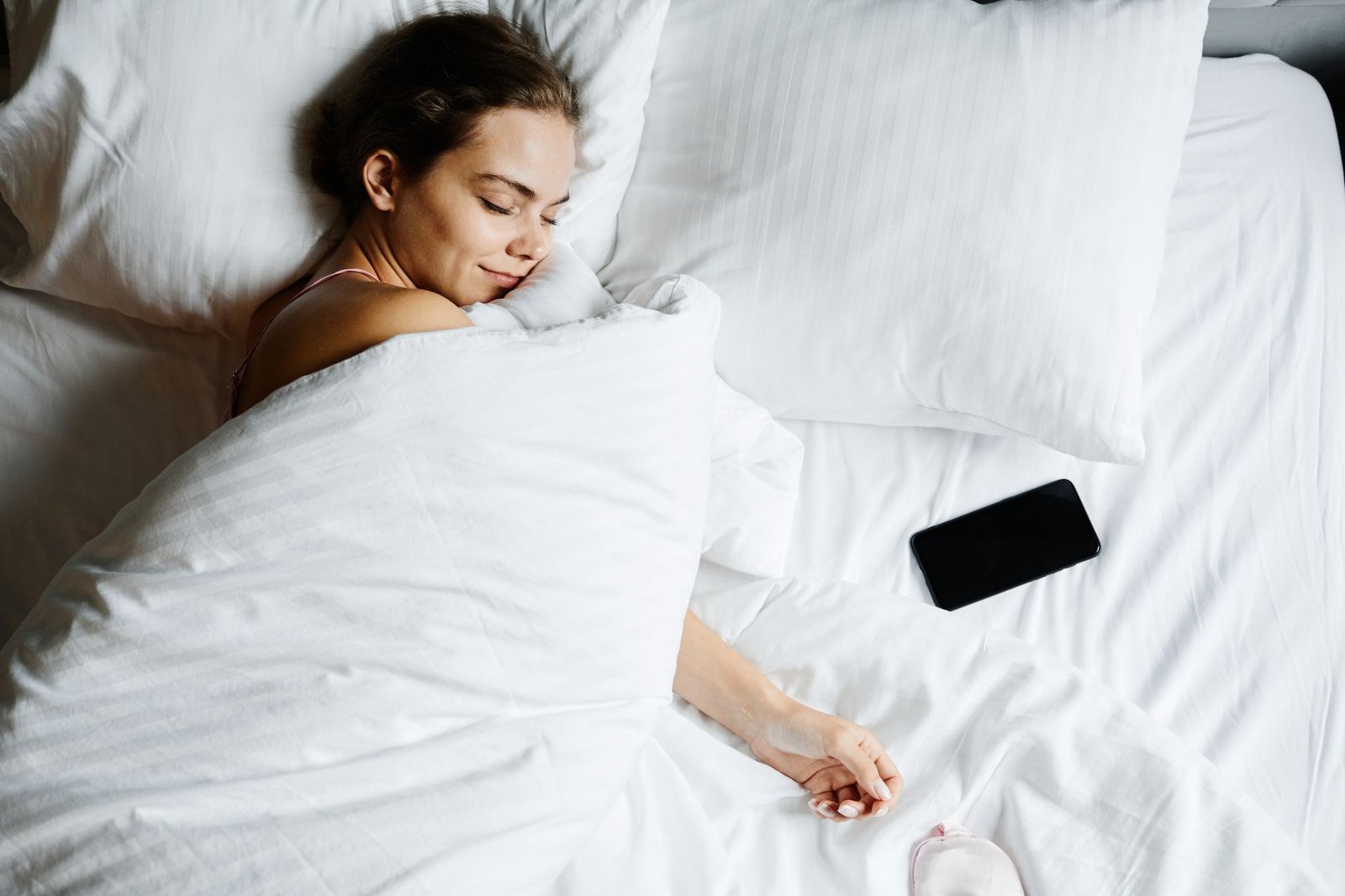
Achieving consistent, high-quality sleep remains a primary goal for residents in 2026. Two prominent technologies aimed at optimizing the sleep environment through auditory means are white noise machines and dedicated sound masking systems. While both seek to create a more tranquil resting space, their approach, effectiveness, and application differ significantly, making the optimal choice dependent on specific needs and environmental factors. For individuals seeking a quick, personal solution, modern white noise machines offer substantial benefits, whereas comprehensive sound masking systems provide a more integrated, whole-room acoustic transformation, especially crucial for pervasive noise challenges.
Understanding White Noise Machines in 2026
The landscape of personal acoustic devices has evolved considerably, with white noise machines in 2026 offering sophisticated features beyond simple static. These compact units generate a consistent, ambient sound profile intended to ‘mask’ sudden or distracting noises by raising the overall background sound level. Modern advancements have transformed these devices into intelligent sleep aids.
Core Functionality and Modern Advancements
Contemporary white noise machines are no longer limited to pure white noise. They now offer a spectrum of sound profiles, including pink noise (deeper, lower frequencies, often described as more soothing), brown noise (even deeper, resembling a strong waterfall), and an array of nature sounds, adaptive soundscapes, and even binaural beats designed to guide brainwave activity. In 2026, many models integrate AI-driven adaptive listening. These advanced algorithms analyze the ambient noise environment in real-time, subtly adjusting the sound output to effectively counter specific disturbances without becoming overly intrusive.
Connectivity is also a hallmark of current white noise technology. Seamless integration with smart home ecosystems via protocols like Matter ensures effortless control through voice assistants or centralized home automation apps. Environmentally conscious manufacturers are also leveraging biodegradable and recycled materials for casings and components, aligning with broader sustainability trends. Furthermore, advancements in speaker technology mean even compact units deliver richer, less ‘tinny’ sound profiles, enhancing the overall user experience.
Pros and Cons for Sleep
The primary advantage of a white noise machine lies in its portability and ease of deployment. A user can place it bedside, plug it in, and immediately benefit from its effects. They are ideal for individuals in apartments, travelers, or those experiencing inconsistent noise issues like occasional street traffic or snoring partners. The lower price point also makes them an accessible entry point for improving sleep acoustics.
However, white noise machines have limitations. Their effectiveness is primarily localized; they are best for personal sleep spaces rather than entire rooms or open-plan areas. They may struggle to adequately mask very loud, low-frequency sounds or deeply resonant noises that penetrate structural barriers. While adaptive algorithms improve their performance, they still operate on a reactive principle rather than proactively shaping the entire acoustic environment.
The Evolution of Sound Masking Systems
Sound masking represents a more comprehensive, architectural approach to acoustic management. Unlike individual white noise machines, these are typically integrated systems designed to deliver a uniform, non-distracting ambient sound throughout a designated space, making unwanted noises, particularly human speech, less intelligible and thus less disruptive.
Advanced Principles and Installation
In 2026, sound masking systems employ sophisticated psychoacoustic algorithms that generate a carefully engineered, broadband background sound. This sound is often barely perceptible as a distinct noise; instead, it creates a gentle, consistent hum that cleverly raises the ambient noise floor. The result is that other sounds, especially conversations from adjacent rooms or common areas, seem to fade into the background rather than being distinctly heard.
Installation is typically professional and involves discreet emitters (small speakers) strategically placed within ceiling plenums or integrated into ceiling tiles, making them virtually invisible. Modern systems boast decentralized architecture, allowing for precise zone control and fine-tuning. This means different areas of a home or facility can have their masking levels adjusted independently, catering to varying acoustic needs—for instance, a quieter nursery zone versus a slightly more active home office zone. Sustainable engineering practices are leading to the incorporation of energy-efficient transducers and control units, alongside modular designs that minimize material waste during installation and potential upgrades.
Advantages and Limitations
The significant advantage of a sound masking system is its pervasive and consistent acoustic conditioning. It creates a stable, acoustically balanced environment across an entire room or even a whole floor. This is particularly beneficial in homes with thin walls, multi-generational living arrangements, or residences located in noisy urban environments. The sound is designed to be unobtrusive, fostering a sense of calm and privacy that contributes significantly to restorative sleep.
However, sound masking systems represent a significant investment. Their installation is complex and typically requires professional design and implementation, often best considered during new construction or major renovations. They are less practical for temporary solutions or highly localized noise problems. While incredibly effective for overall ambient noise and speech intelligibility, they may not entirely eliminate extremely loud, sudden impacts or vibrations, though they significantly diminish their disruptive potential.
Comparative Analysis: Effectiveness, Features, and Cost
Choosing between these two technologies hinges on a detailed evaluation of their performance, capabilities, and financial implications.
Effectiveness in Noise Reduction
- White Noise Machines: Highly effective for localized noise cancellation, particularly for individual sleepers. They excel at blocking out consistent, moderate noises (e.g., distant traffic, light snoring) and sudden, sharp sounds within their immediate vicinity. Their effectiveness diminishes with distance and against pervasive, low-frequency disturbances.
- Sound Masking Systems: Offer superior, uniform noise reduction across larger areas. They are specifically engineered to reduce speech intelligibility, which is a common sleep disruptor. By subtly raising the ambient noise floor, they make a broader range of intermittent noises less noticeable and disturbing throughout an entire room, providing a consistent blanket of acoustic comfort.
Feature Set and Customization
- White Noise Machines: Provide diverse sound options (white, pink, brown, nature), smart home integration, timers, and adaptive sound profiles. Many include companion apps for granular control and personalized settings. Portability is a key feature.
- Sound Masking Systems: Focus on seamless integration and consistent, uniform sound. Features include precise zone control, professional calibration, and often integrate with existing building management systems. Their primary ‘feature’ is their unobtrusive, set-it-and-forget-it nature, creating an invisible shield against noise pollution.
Cost Implications and ROI
- White Noise Machines: Represent a low initial investment, typically ranging from $30 to $200 for advanced models in 2026. The return on investment (ROI) is immediate in improved personal sleep quality, with minimal ongoing costs.
- Sound Masking Systems: Involve a substantial upfront investment, often ranging from several hundred to several thousand dollars depending on the system’s complexity and the area to be covered. This cost includes professional design and installation. The ROI is realized through a significantly enhanced long-term acoustic environment for the entire household, potentially increasing property value and overall resident well-being. Modern systems boast improved energy efficiency, minimizing operational costs.
Installation and Integration
- White Noise Machines: Plug-and-play, requiring no installation. They integrate easily with smart home platforms.
- Sound Masking Systems: Require professional planning and installation, often involving electrical work and ceiling access. Best integrated during construction or renovation to ensure seamless and invisible deployment.
Making the Optimal Choice for Restful Sleep
The decision between a white noise machine and a sound masking system ultimately depends on the specific circumstances, budget, and desired level of acoustic transformation for the resident.
Scenario-Based Recommendations
- For individuals seeking a budget-friendly, portable, and personalized solution to localized noise issues (e.g., a noisy bed partner, light street noise outside a specific window), a modern white noise machine is the highly recommended choice. Its adaptability and ease of use make it an excellent immediate remedy.
- For homeowners experiencing pervasive, whole-room noise problems (e.g., noisy neighbors, significant traffic rumble impacting multiple rooms, or a desire for consistent acoustic privacy throughout a larger residence), a professionally installed sound masking system offers a superior, long-term solution. This is particularly true for new builds or significant renovation projects where integration can be planned from the outset.
Future-Proofing Sleep Environments
Both technologies will continue to advance, with increasing reliance on AI, sustainable materials, and enhanced connectivity. However, for those looking to future-proof their entire home environment against noise pollution, a sound masking system provides a more robust, integrated, and permanent solution. It transforms the very acoustic foundation of a space, offering a level of consistent tranquility that a single, portable device cannot replicate across a broad area. The investment in sound masking is an investment in the fundamental comfort and wellness of the entire living space, ensuring superior sleep quality for years to come. Ultimately, the ‘better’ choice in 2026 is the one that most effectively addresses the individual’s or household’s specific noise challenges and aligns with their long-term acoustic goals and budget.