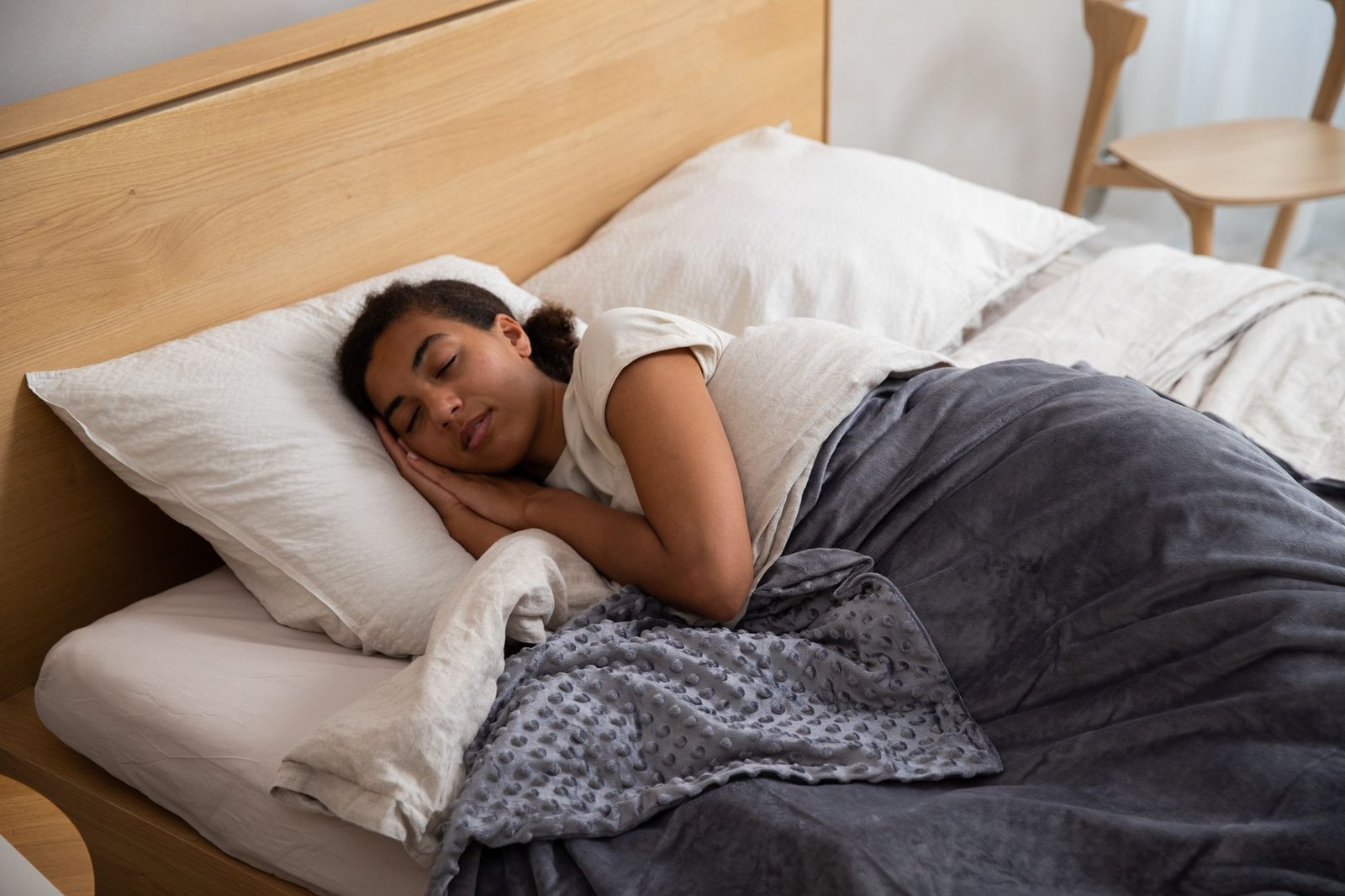
When evaluating the efficacy of sleep aids in 2026, the question of whether a weighted blanket or a regular comforter provides superior sleep improvement is nuanced. Neither is universally superior; the optimal choice for enhancing sleep quality hinges entirely on individual physiological needs, sensory preferences, and specific sleep challenges. While traditional comforters offer versatile comfort and warmth, modern weighted blankets leverage deep pressure stimulation for therapeutic benefits, with advancements in both categories significantly evolving their respective capabilities.
The Science of Deep Pressure Stimulation: Weighted Blankets in 2026
Core Mechanism and Efficacy
Weighted blankets operate on the principle of Deep Pressure Stimulation (DPS), a therapeutic technique that applies gentle, evenly distributed pressure across the body. This pressure is believed to mimic the sensation of a hug or being swaddled, activating the parasympathetic nervous system. In turn, this can lead to a reduction in cortisol (the stress hormone) and an increase in serotonin and melatonin production, neurotransmitters crucial for mood regulation and sleep induction. For many residents, the application of DPS has been shown to improve sleep latency (the time it takes to fall asleep), increase overall sleep duration, and reduce nocturnal awakenings. Studies in 2026 continue to affirm their role in managing anxiety, stress, and certain sleep-related conditions.
Innovations in Weighted Blanket Design for 2026
The weighted blanket market in 2026 has moved beyond simple weighted fills, incorporating cutting-edge materials and ergonomic designs. Fills now primarily consist of ultra-fine, noiseless micro-glass beads, ensuring quiet comfort and superior weight distribution. A significant trend is the use of sustainable and hypoallergenic internal fills, such as recycled polymers or natural plant fibers like kapok, which also contribute to breathability. Outer fabrics feature advanced compositions, including Tencel and bamboo rayon for exceptional softness and moisture-wicking, alongside integrated phase-change materials (PCMs) for dynamic temperature regulation. Some premium models even incorporate graphene-infused covers, further enhancing cooling properties to address previous concerns about overheating. Modular designs allowing for weight adjustments and segmented chambers for consistent pressure are now standard, ensuring a personalized and effective therapeutic experience.
The Enduring Comfort of Traditional Comforters in 2026
Fundamental Role in Sleep Environments
Traditional comforters remain a cornerstone of domestic comfort, valued for their ability to provide insulation, warmth, and a significant contribution to bedroom aesthetics. Their primary function is to trap a layer of air, creating a thermal barrier that helps regulate the resident’s body temperature throughout the night. Beyond utility, comforters offer a sense of familiar comfort and softness, often serving as the visual focal point of a well-appointed bed. Their inherent versatility allows for a wide array of styles, colors, and textures, enabling homeowners to easily adapt their bedding to seasonal changes or evolving interior design schemes.
Advancements in Comforter Technology for 2026
The humble comforter has undergone considerable transformation by 2026, moving beyond basic insulation to offer advanced thermal and material science. Fill materials now include sophisticated hypoallergenic down alternatives derived from recycled PET, offering the loft and warmth of natural down without allergen concerns. Innovative plant-based fibers, such as those from corn or soy derivatives, mimic down’s luxurious feel and insulating properties while promoting sustainability. Outer fabrics feature high-thread-count cottons with enhanced moisture-wicking and antimicrobial treatments, as well as advanced microfibers with anti-static and anti-bacterial coatings. Crucially, the integration of phase-change materials (PCMs) directly into the fabric or fill is widespread, allowing comforters to actively absorb and release heat, providing dynamic thermal management that adapts to the resident’s body temperature. Lightweight silk blends and graphene-infused fabrics are also utilized for their superior breathability and comfort. Construction techniques, such as baffle-box and sewn-through designs, are optimized for fill stability, preventing cold spots and ensuring consistent warmth across the entire surface. The industry places a strong emphasis on sustainable sourcing and production, making eco-conscious choices more accessible.
Direct Comparison: Which Delivers Superior Sleep Outcomes?
Impact on Anxiety and Sleep Onset
For individuals grappling with anxiety, stress-related insomnia, or certain neurodevelopmental conditions, weighted blankets often demonstrate a more pronounced therapeutic effect. The consistent, gentle pressure of DPS helps calm the nervous system, potentially leading to faster sleep onset and a more secure feeling throughout the night. While a regular comforter provides a sense of comfort and can contribute to a relaxing sleep environment, it does not offer the specific physiological benefits associated with deep pressure.
Temperature Regulation and Thermal Comfort
Historically, weighted blankets faced challenges with heat retention. However, 2026 innovations, including PCMs, bamboo, Tencel, and graphene integrations, have significantly improved their breathability and cooling capabilities. Despite these advancements, their inherent density can still be a factor for exceptionally warm sleepers. Modern comforters, particularly those with advanced down alternatives and integrated PCMs, excel at dynamic temperature regulation, adapting to ambient conditions and the resident’s body heat with remarkable efficiency, making them highly versatile for various climates and personal preferences.
Sensory Experience and Mobility
The sensory experience differs fundamentally. A weighted blanket provides a contained, secure feeling, which can be immensely comforting for some, but may feel restrictive to others. Mobility under a weighted blanket can be somewhat reduced due to its mass. Conversely, a regular comforter offers a light, airy, and unrestrictive embrace, allowing for complete freedom of movement during sleep. The choice here is highly subjective, depending on whether the resident prefers a feeling of deep containment or unburdened lightness.
Maintenance, Durability, and Investment
Cleaning a weighted blanket can be more involved due to its weight, with many requiring spot cleaning or specific washing instructions. Modern materials in both blanket types are designed for longevity, but the initial investment for a high-quality weighted blanket with advanced features tends to be higher than for a premium comforter. However, for individuals experiencing specific sleep challenges, the therapeutic value of a weighted blanket can justify the added cost, offering a significant return on investment in terms of improved sleep health.
Tailoring the Bedding Choice to Individual Needs
Ideal Candidates for Weighted Blankets
Weighted blankets are particularly beneficial for individuals experiencing chronic anxiety, restless leg syndrome, certain forms of insomnia, or sensory processing sensitivities. They are also highly recommended for those who seek a profound sense of security and containment, finding comfort in the feeling of being gently enveloped. Residents who toss and turn frequently may also find the added weight helps to promote stillness and deeper sleep cycles.
Optimal Users for Regular Comforters
Regular comforters remain the optimal choice for residents prioritizing lightweight comfort, uninhibited movement, and broad temperature versatility without the specific sensation of pressure. They are ideal for individuals who simply desire warmth and softness, or for those who frequently adjust their sleep position. Homeowners seeking maximum aesthetic flexibility and ease of laundering will also find traditional comforters to be a more practical solution, seamlessly integrating into diverse bedroom designs.
Integrating Bedding Choices into Holistic Home Wellness Design
From an interior design and domestic comfort analysis perspective, the selection of a weighted blanket or comforter extends beyond individual sleep preference; it influences the entire bedroom ambiance. Design professionals consider not only the physical benefits but also how the chosen bedding contributes to the overall sense of tranquility and sanctuary. For instance, a weighted blanket might be integrated into a minimalist bedroom focused on deep relaxation, while a plush, cloud-like comforter could anchor a luxurious, inviting space. The careful consideration of room temperature, other textile layers, and the resident’s lifestyle ensures an informed decision that elevates the overall home wellness experience.
Conclusion
In 2026, the question of whether a weighted blanket or a regular comforter improves sleep better ultimately concludes with a personalized answer. While weighted blankets offer targeted therapeutic benefits through deep pressure stimulation and modern comforters provide versatile comfort with advanced thermal regulation, the