
When seasonal allergies strike, many individuals assume outdoor pollen is the primary culprit. However, a significant number find that their symptoms worsen considerably within the supposed sanctuary of their own homes. Yes, seasonal allergies can indeed be worse indoors due to a concentrated mix of outdoor pollen tracked inside and a host of perennial indoor allergens, necessitating targeted cleaning and maintenance strategies for superior domestic comfort. As of 2026, advancements in home technology and materials offer unprecedented opportunities to transform living spaces into low-allergen havens.
The Indoor Allergen Landscape in 2026
Understanding the enemy is the first step toward effective defense. The indoor environment is a complex ecosystem where dust mites, pet dander, mold spores, and pollen tracked from outside converge. Modern homes, with their tighter seals for energy efficiency, can inadvertently trap these allergens, circulating them through HVAC systems and settling them on surfaces. For 2026, homeowners benefit from an increased awareness of indoor air quality and more accessible, sophisticated monitoring systems that provide real-time data on particulate matter, VOCs, and humidity levels, guiding precise intervention strategies.
7 Home Cleaning Hacks for 2026 Allergy Relief
1. Advanced Air Filtration and Purification Systems
In 2026, relying solely on standard HVAC filters is insufficient. Homeowners should upgrade to MERV 11-13 pleated filters, replacing them every 1-3 months. Beyond filtration, integrate smart air purifiers equipped with HEPA and activated carbon filters, capable of capturing particles as small as 0.3 microns. New for 2026, many high-end HVAC systems now offer integrated UV-C sanitization modules, which neutralize airborne viruses, bacteria, and mold spores, working synergistically with filtration for comprehensive air purification. These smart systems often feature AI-driven allergen detection, adjusting filtration intensity based on ambient conditions.
2. Precision Dust Management Techniques
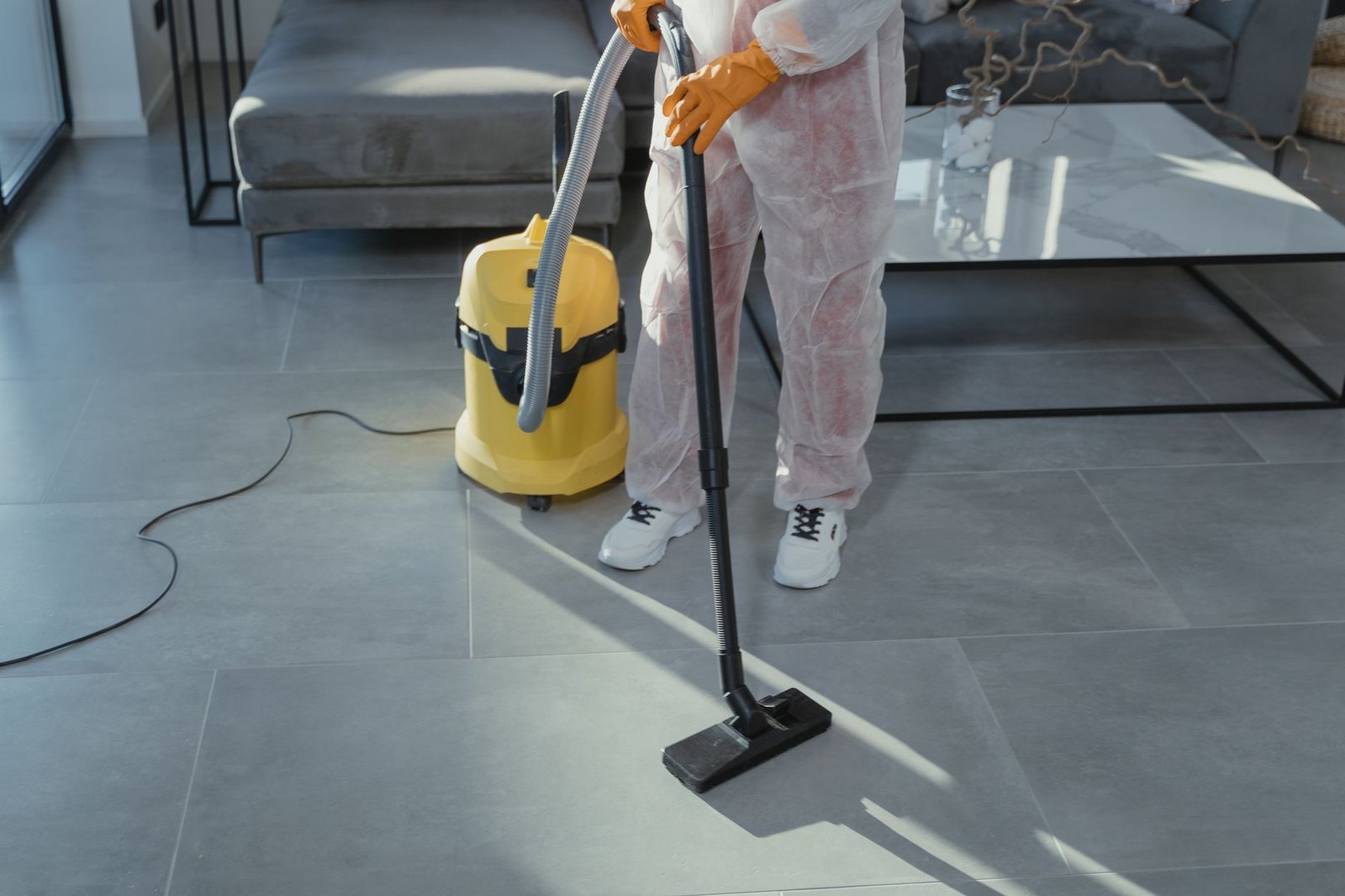
Dust is a major allergen carrier, harboring mites, dander, and pollen. Regular, precise dusting is paramount. Utilize microfiber cloths, which effectively trap dust particles rather than just scattering them. For floors, 2026 sees robotic vacuums with advanced HEPA filtration and self-emptying docks becoming standard. These devices can be scheduled to run daily, ensuring consistent removal of settled allergens. Damp mopping hard surfaces with allergen-specific cleansers should follow vacuuming to capture residual particles. The resident should prioritize horizontal surfaces, electronics, and intricate décor, ensuring these are wiped clean consistently.
3. Strategic Fabric and Upholstery Care
Textiles are magnets for allergens. Bedding, curtains, and upholstery require diligent attention. Wash all bedding, including pillowcases, sheets, and duvet covers, weekly in hot water (at least 130°F/54°C) to kill dust mites. For 2026, hypoallergenic bedding options made from materials like bamboo or Tencel offer additional comfort and allergen resistance. Curtains should be laundered or professionally cleaned seasonally. Upholstered furniture can benefit from regular vacuuming with a HEPA-filtered attachment and periodic steam cleaning, especially for pet owners. Consider allergen-proof covers for mattresses and pillows to create an impervious barrier.
4. Moisture Control for Mold Prevention
Mold thrives in damp environments and is a potent allergen. Maintaining indoor humidity levels between 30-50% is crucial. This can be achieved with smart dehumidifiers that integrate with home automation systems, automatically adjusting based on sensor data. Promptly address any leaks, whether from plumbing, roofs, or windows. Ensure proper ventilation in bathrooms and kitchens, running exhaust fans during and after showers or cooking. In 2026, advancements in building materials include more widespread use of mold-resistant drywall and paints, offering an extra layer of defense during renovations or new constructions.
5. Pet Dander Minimization Strategies
For homes with furry companions, pet dander is a persistent allergen. Regular grooming, including bathing and brushing, can significantly reduce shedding. Establish designated pet-free zones, particularly bedrooms, to create a sanctuary for allergy sufferers. Specialized pet vacuums with strong suction and multi-layer filtration are indispensable. Many air purifiers now come with specific settings optimized for pet dander removal. In 2026, emerging pet care technologies also include specialized grooming tools and dietary supplements designed to reduce skin flaking and improve coat health, thereby minimizing dander dissemination.
6. Enhanced Floor Care Protocols
Carpeting can trap significant amounts of allergens. A growing trend in 2026 is the preference for hard flooring surfaces such as luxury vinyl tile (LVT), engineered wood, or polished concrete, which are easier to clean and less hospitable to dust mites. For homes with carpeting, frequent deep cleaning with a HEPA-filtered vacuum is essential, along with professional steam cleaning at least once a year. Entryways should feature high-quality, eco-friendly mats designed to trap dirt and pollen before it spreads further into the home, and a shoe-free policy indoors is highly effective.
7. Optimizing Outdoor-to-Indoor Transition
Pollen, the quintessential seasonal allergen, often enters the home inadvertently. Establishing a robust transition zone can greatly mitigate this. Encourage residents and guests to remove shoes at the door, and consider a dedicated