
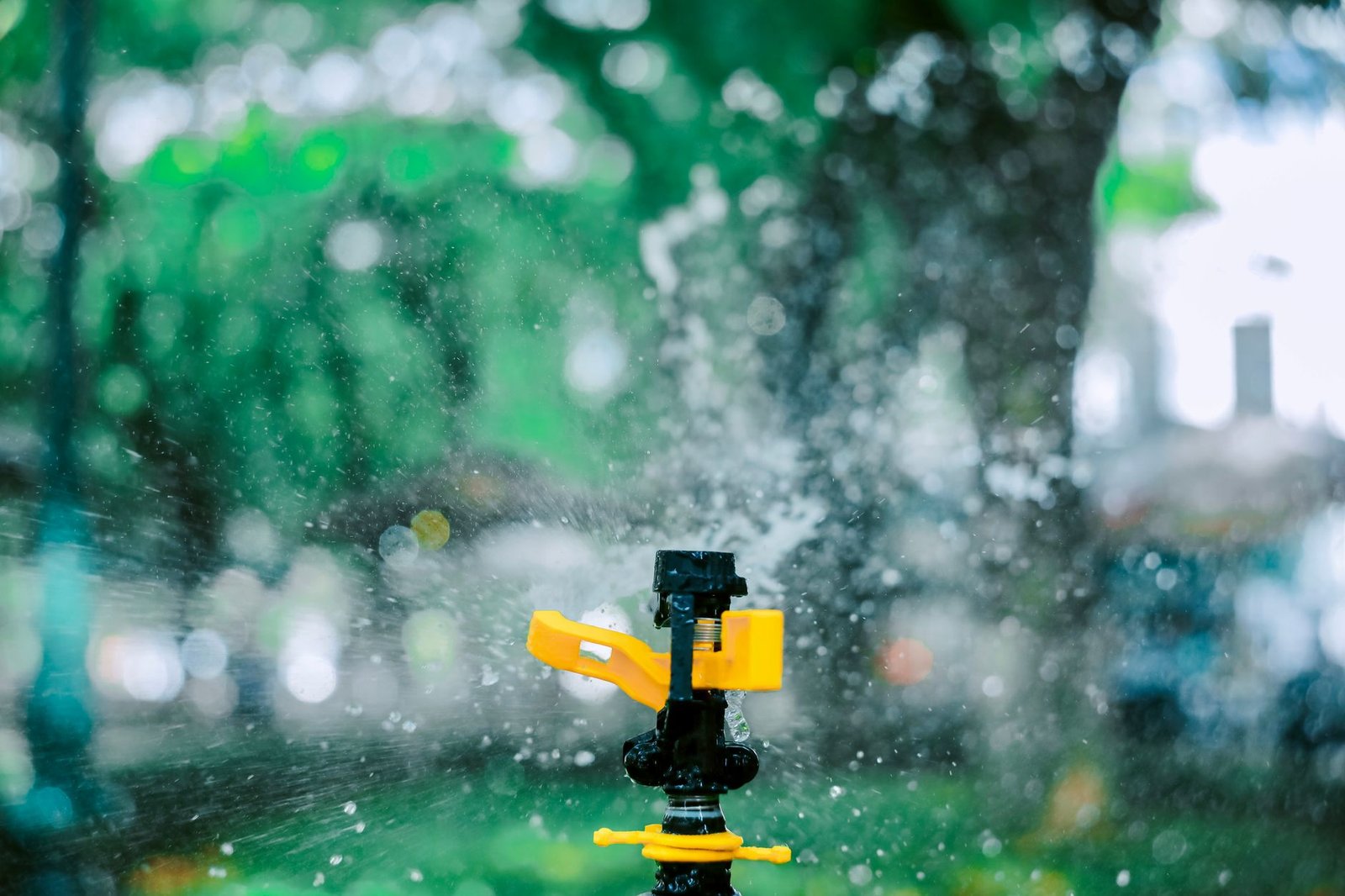
In 2026, homeowners face increasing demands for efficient resource management, particularly concerning water usage in landscape maintenance. The critical question for many is whether smart sprinkler systems genuinely offer superior water savings compared to traditional manual methods. The answer, definitively, is that smart sprinkler systems consistently outperform manual methods in water conservation, driven by advanced technology and intelligent automation.
This article delves into a comprehensive comparison, evaluating the water-saving potential, convenience factors, and initial investment of both irrigation approaches, providing Basisblog readers with insights to make informed decisions for their properties in the current year.
Understanding Smart Sprinkler Systems in 2026
Smart sprinkler systems represent the vanguard of modern landscape irrigation. These sophisticated setups leverage an array of technologies to optimize water delivery, ensuring plant health while minimizing waste. At their core, smart systems integrate weather data, soil conditions, and plant-specific requirements to determine precise watering schedules.
Key Components and Advanced Features
- Intelligent Controllers: Far beyond simple timers, 2026’s smart controllers are often cloud-connected, processing vast amounts of data. They are increasingly integrated into broader smart home ecosystems, often leveraging open protocols like Matter for seamless communication with other devices.
- Environmental Sensors: Modern systems incorporate highly accurate sensors. These include hyper-local weather stations, offering real-time precipitation, temperature, and humidity data specific to the property. Advanced soil moisture sensors, utilizing subsurface capillary action or dielectric permittivity, provide granular data on hydration levels directly at the root zone, preventing unnecessary watering.
- Predictive Analytics and AI: A significant advancement in 2026 is the widespread adoption of AI-driven predictive analytics. These algorithms learn a landscape’s unique characteristics, predict future watering needs based on upcoming weather patterns, and even anticipate microclimates within a property, further refining water distribution.
- Zoning and Customization: Smart systems allow for highly granular zoning, enabling different areas of the landscape (e.g., sunny lawn, shaded flower bed, drought-tolerant native plants) to receive tailored watering. Modern sprinkler heads with specialized nozzles for ultra-low flow rates and optimized spray patterns further enhance precision.
The operational premise is simple yet revolutionary: water only when and where it is truly needed, and only the precise amount required.
The Case for Manual Sprinkling
Manual sprinkler methods encompass a range of traditional approaches, from a homeowner physically moving a hose and attached sprinkler head to basic timed systems that operate on a fixed schedule. While seemingly straightforward, these methods come with inherent limitations in a climate-conscious 2026.
Traditional Methods and Their Drawbacks
- Direct Hose and Sprinkler: This involves physically positioning a sprinkler and monitoring its operation. While offering direct control, it is highly susceptible to human forgetfulness, leading to prolonged watering that results in runoff and waste, or conversely, insufficient watering.
- Basic Timed Systems: These systems operate on a pre-set schedule, irrigating for a fixed duration at specific times. The primary drawback is their inability to adapt to changing environmental conditions. Rain events, sudden heatwaves, or cooler periods do not trigger adjustments, leading to unnecessary watering or inadequate hydration.
The perceived advantage of manual methods lies in their minimal initial investment. A hose and a basic sprinkler head are considerably less expensive upfront than a smart system. However, this low entry cost often obscures significant long-term operational inefficiencies and higher water bills.
Water Saving Potential: A Head-to-Head Comparison
When scrutinizing water conservation, the disparity between smart and manual systems becomes strikingly clear.
Smart Sprinkler Systems: Precision Water Management
Smart systems excel at water conservation primarily through their ability to provide “just-in-time, just-enough” irrigation. By integrating real-time local weather data, future forecasts, and soil moisture readings, they automatically skip watering cycles during rainfall, adjust duration for cooler temperatures, and increase output during heatwaves. This dynamic adaptability prevents overwatering, which is a leading cause of water waste in residential landscapes.
- Elimination of Waste: No watering during rain, no excessive runoff due to saturated soil, and no watering during high evaporation periods (e.g., midday sun).
- Deep Root Watering: Smart systems often promote longer, less frequent watering cycles that encourage deeper root growth, making plants more resilient and less reliant on surface watering.
- Leak Detection: Many 2026 smart systems incorporate flow sensors that can detect leaks or broken sprinkler heads, immediately alerting the homeowner and preventing significant water loss that might go unnoticed in a manual setup.
Industry analyses and homeowner testimonials consistently report that smart sprinkler systems can reduce outdoor water consumption by 30% to 50% or even more compared to traditional methods, especially when operated optimally.
Manual Sprinkler Systems: Inherent Inefficiencies
Manual watering, by its very nature, is inefficient. Reliance on fixed schedules or human intervention introduces numerous opportunities for waste.
- Fixed Schedules: Watering on Tuesdays and Thursdays, for example, regardless of a downpour on Monday, is a colossal waste of water.
- Human Error and Forgetfulness: Forgetting to turn off a sprinkler or misjudging the amount of water needed for a specific area is common.
- Lack of Adaptability: The absence of data input means manual systems cannot respond to the subtle yet impactful changes in daily weather, soil moisture, or plant needs.
- Runoff and Evaporation: Overwatering leads to runoff onto pavements and streets. Watering during peak sunlight hours results in significant evaporation before the water can penetrate the soil.
While an exceptionally diligent and informed homeowner might mitigate some of these issues, the consistent, automated precision of a smart system is practically unattainable through manual means.
Convenience and Lifestyle Impact
Beyond water savings, the convenience offered by smart sprinkler systems significantly enhances the homeowner’s quality of life and simplifies property management.
Effortless Landscape Management
Smart systems offer unparalleled convenience. Once installed and configured, they operate largely autonomously. The resident gains the ability to manage their irrigation system from anywhere via a smartphone or web interface. This includes checking system status, adjusting schedules, or pausing watering if unexpected rain occurs while away from home. Alerts for system malfunctions, such as low flow rates indicating a leak, provide peace of mind.
For individuals with busy schedules or those who travel frequently, the “set-it-and-forget-it” nature of smart irrigation is a compelling benefit. It frees up valuable time that would otherwise be spent monitoring and adjusting manual sprinklers.
Demanding Manual Oversight
Manual sprinkling, conversely, demands constant attention and physical effort. The user must remember to turn sprinklers on and off, move them to different zones, and manually adjust schedules based on perceived weather changes or the visible condition of the landscape. This can become a tedious chore, particularly for larger properties or during periods of variable weather. The time commitment alone can be substantial, detracting from other recreational or domestic activities.
Initial Investment and Long-Term Value
The financial aspect is a key consideration for any homeowner decision.
Cost of Smart Sprinkler Systems
The initial outlay for a smart sprinkler system is undoubtedly higher than for manual methods. A basic smart controller can range from $150 to $400, with advanced systems incorporating multiple sensors and sophisticated zoning capabilities potentially costing upwards of $800 to $1500 for the controller and sensors alone. Professional installation, while not always necessary for DIY-savvy residents, adds to the upfront expense.
However, the market in 2026 is seeing increased competition and technological maturation, leading to more accessible price points. Furthermore, many utility companies and local governments offer rebates and incentives for smart irrigation upgrades, significantly offsetting the initial cost. These programs are robust in 2026, driven by a growing emphasis on water conservation policies.
Cost of Manual Sprinkling
The initial cost of manual sprinkling is minimal, often just the price of a hose, a basic timer, and a few sprinkler heads, amounting to $50-$200. This low barrier to entry is often the primary appeal for budget-conscious residents.
Return on Investment (ROI)
When evaluating long-term value, the narrative shifts dramatically. The water savings generated by smart sprinkler systems translate directly into lower monthly utility bills. For many properties, these savings can lead to a full return on investment within two to five years, especially in areas with high water rates or drought restrictions.
Beyond direct savings, smart systems contribute to a healthier, more vibrant landscape, enhancing curb appeal and potentially increasing property value. The prevention of plant disease (due to overwatering) and the conservation of precious water resources also represent intangible, yet significant, returns.
Conclusion: Making the Informed Choice in 2026
For homeowners in 2026, the choice between smart and manual sprinkler systems is clear when considering water conservation, convenience, and long-term financial benefits. While manual methods offer a low initial cost, their inherent inefficiencies and demanding oversight make them a less sustainable and more wasteful option in the long run.
Smart sprinkler systems, with their AI-driven precision, real-time adaptability, and seamless integration into modern smart homes, are the unequivocal champions of water saving. They offer substantial reductions in water consumption, superior convenience, and a compelling return on investment through lower utility bills and a thriving landscape. As environmental stewardship becomes increasingly paramount and technology continues its rapid advancement, investing in a smart irrigation system is not merely an upgrade; it is a strategic decision for efficient, sustainable, and comfortable domestic living.