
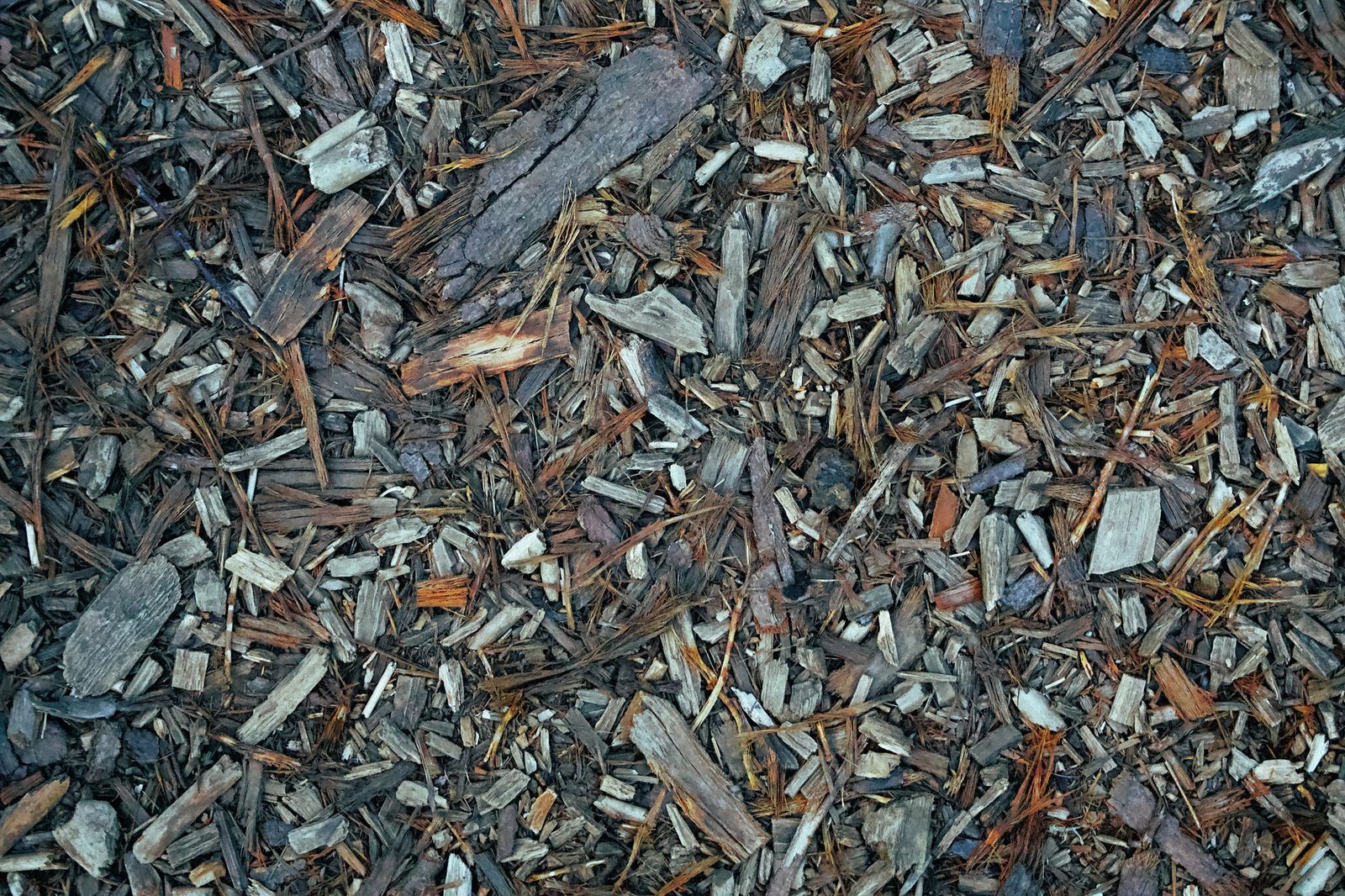
In 2026, selecting the optimal mulch for weed control involves navigating an evolving landscape of materials, each presenting unique advantages and considerations. The best type of mulch for weed control often depends on specific garden requirements, budgetary constraints, and environmental priorities. While traditional organic options like high-grade shredded bark and wood chips remain highly effective, modern advancements in biodegradable bio-mulches and enhanced inorganic solutions are significantly influencing choices for robust weed suppression.
Understanding Mulch for Effective Weed Control
Mulch serves as a fundamental component of effective weed management within any landscape. Its primary mechanism for weed suppression involves blocking sunlight, which is essential for germination and growth. A sufficient layer of mulch physically smothers existing small weeds and creates an inhospitable environment for new weed seeds. Beyond weed control, mulch helps retain soil moisture, moderates soil temperature, and, particularly with organic varieties, enriches soil structure and fertility over time. The efficacy of mulch is directly tied to its type, application depth, and consistent maintenance.
Organic Mulches: Sustainable Solutions for 2026
Organic mulches are derived from natural materials, decomposing over time to add nutrients to the soil. Their environmental benefits make them a perennial favorite, with 2026 seeing further refinements in processing and sourcing.
Shredded Bark and Wood Chips
- Effectiveness: Excellent. A layer of 3-4 inches effectively blocks light and suppresses most weeds. Their interlocking nature helps them stay in place. Modern processing techniques have improved longevity and color retention.
- Cost: Moderate. Available in bulk, reducing per-unit cost. Cost-effectiveness is enhanced by a longer lifespan compared to finer organic mulches.
- Environmental Impact: Highly beneficial. As they decompose, they contribute organic matter, improve soil structure, and support microbial life. Sustainably sourced forestry products are increasingly standard for 2026, ensuring responsible harvesting.
- 2026 Trends: Enhanced dye stability for aesthetic appeal, options infused with beneficial bio-stimulants, and varieties pre-treated to resist pests or slow decomposition.
Straw and Pine Needles
- Effectiveness: Good, especially for vegetable gardens and annual beds where seasonal reapplication is manageable. A 4-6 inch layer is recommended. Pine needles can also help acidify soil, beneficial for certain plants.
- Cost: Low. Readily available, particularly agricultural straw.
- Environmental Impact: Very positive. Fully biodegradable and compostable. Straw can sometimes introduce weed seeds if not certified weed-free.
- 2026 Trends: Certified weed-free straw is more prevalent, and compressed bales offer greater transport efficiency and storage for residents.
Compost and Composted Materials
- Effectiveness: Moderate for weed suppression alone, but exceptional as a soil amendment. For robust weed control, a deeper layer (4-6 inches) is necessary, and combining it with a heavier, coarser mulch layer is often recommended to prevent weed seed germination within the compost itself.
- Cost: Varies significantly from free (homemade) to moderate (commercially purchased).
- Environmental Impact: Excellent. Improves soil structure, fertility, and water retention. Represents a valuable closed-loop system for garden waste.
- 2026 Trends: Increased availability of commercial sterile composts, minimizing weed seed contamination, and specialized blends targeting specific nutrient deficiencies.
Leaf Mold
- Effectiveness: Moderate weed suppression, primarily functions as an outstanding soil conditioner. For effective weed control, it is best used as a base layer beneath a coarser, denser mulch.
- Cost: Very low, often free for residents with deciduous trees.
- Environmental Impact: Excellent. Transforms garden waste into a valuable soil amendment, rich in fungal activity beneficial to soil health.
Inorganic Mulches: Durable Barriers for 2026 Landscapes
Inorganic mulches do not decompose, offering long-term solutions with minimal reapplication. Their environmental considerations are distinct from organic options.
Landscape Fabric (Geotextile Barriers)
- Effectiveness: Excellent initial weed control when properly installed. It acts as a physical barrier. Long-term effectiveness can diminish as organic debris accumulates on top, allowing weeds to root. Weeds can also grow through tears or poorly sealed overlaps.
- Cost: Moderate to high, factoring in the material and labor for proper installation and edging.
- Environmental Impact: Mixed. Traditional fabrics can impede soil respiration and, over time, degrade into microplastics. They do not contribute to soil health.
- 2026 Trends: Significant advancements in permeable fabrics that allow better air and water exchange. Biodegradable landscape fabrics made from plant-based polymers (e.g., corn starch) are gaining traction, offering a more eco-friendly option that eventually breaks down into the soil.
Rubber Mulch
- Effectiveness: Very good. Extremely durable, does not decompose, and effectively blocks light. Its weight helps it stay in place.
- Cost: High initial investment due to material cost.
- Environmental Impact: Mixed. Utilizes recycled tires, diverting waste from landfills. However, concerns persist regarding chemical leaching into the soil and the potential for microplastic shedding.
- 2026 Trends: Newer formulations are designed with enhanced chemical bonding to significantly reduce leaching, and non-toxic certifications are becoming more commonplace, making it a safer option for playgrounds and non-edible plant beds.
Gravel and Stone
- Effectiveness: Excellent, providing a permanent, stable barrier against weeds. For optimal performance, a high-quality landscape fabric layer underneath is crucial to prevent weeds from rooting in the soil below and to deter gravel from mixing with the soil.
- Cost: High initial investment for materials and installation. Very low maintenance costs thereafter.
- Environmental Impact: Neutral in terms of decomposition or soil enrichment. Can contribute to urban heat island effect by absorbing and radiating heat. Sustainable sourcing of aggregates is a growing consideration.
- 2026 Trends: Increasing use in permeable paving systems to manage stormwater. Development of heat-reflective stone options for mitigating high temperatures in urban environments.
Emerging Trends and Sustainable Choices for 2026
The year 2026 highlights a growing emphasis on sustainability and innovative material science in landscape management.
Biodegradable Bio-Mulches
A significant development for 2026, these are typically films made from renewable plant-based resources like corn or potato starch. They function similarly to landscape fabric initially but are designed to degrade naturally into the soil over a specified period, typically one growing season, eliminating the need for removal. Their effectiveness for weed control is very good, comparable to traditional fabrics, and their environmental impact is excellent as they enrich the soil upon decomposition. The cost is often higher than traditional organic mulches but competitive with quality landscape fabric, representing a leading sustainable choice for annual plantings and vegetable gardens.
Smart Mulch Systems
While still niche, the integration of smart technology into landscape management hints at future mulch applications. These systems might combine specialized mulch materials with embedded sensors that monitor soil moisture and temperature, potentially optimizing water usage and reducing the need for excessively deep mulch layers in some contexts. This trend, though more in its infancy for broad weed control, signifies a future of precision gardening.
Making the Right Choice: Evaluation Criteria for 2026 Gardeners
When determining the best mulch for weed control, residents should consider several critical factors:
- Weed Suppression Capability: The primary goal, assessing how effectively a material blocks light and physically suppresses weed growth.
- Cost-Effectiveness: Evaluating both the initial purchase price and the long-term costs associated with reapplication, installation, and maintenance.
- Environmental Impact: Considering the sustainability of the material, its contribution to soil health, and any potential negative ecological footprints.
- Aesthetic Preference: The visual appeal of the mulch within the specific landscape design.
- Specific Garden Needs: Matching the mulch to the types of plants, soil conditions, sunlight exposure, and climate of the area.
Ultimately, the most effective mulch for weed control in 2026 is not a single product but rather the one that best aligns with a project’s specific goals. For comprehensive weed suppression combined with significant soil health benefits and strong environmental stewardship, advanced organic mulches such as sustainably sourced wood chips and innovative biodegradable bio-mulches frequently emerge as leading contenders. For areas requiring extreme durability and minimal long-term maintenance, high-quality landscape fabric or engineered rubber mulch may prove more suitable, provided environmental impacts are carefully considered. Careful evaluation of effectiveness, cost, and environmental footprint ensures a successful, weed-free landscape for the resident.