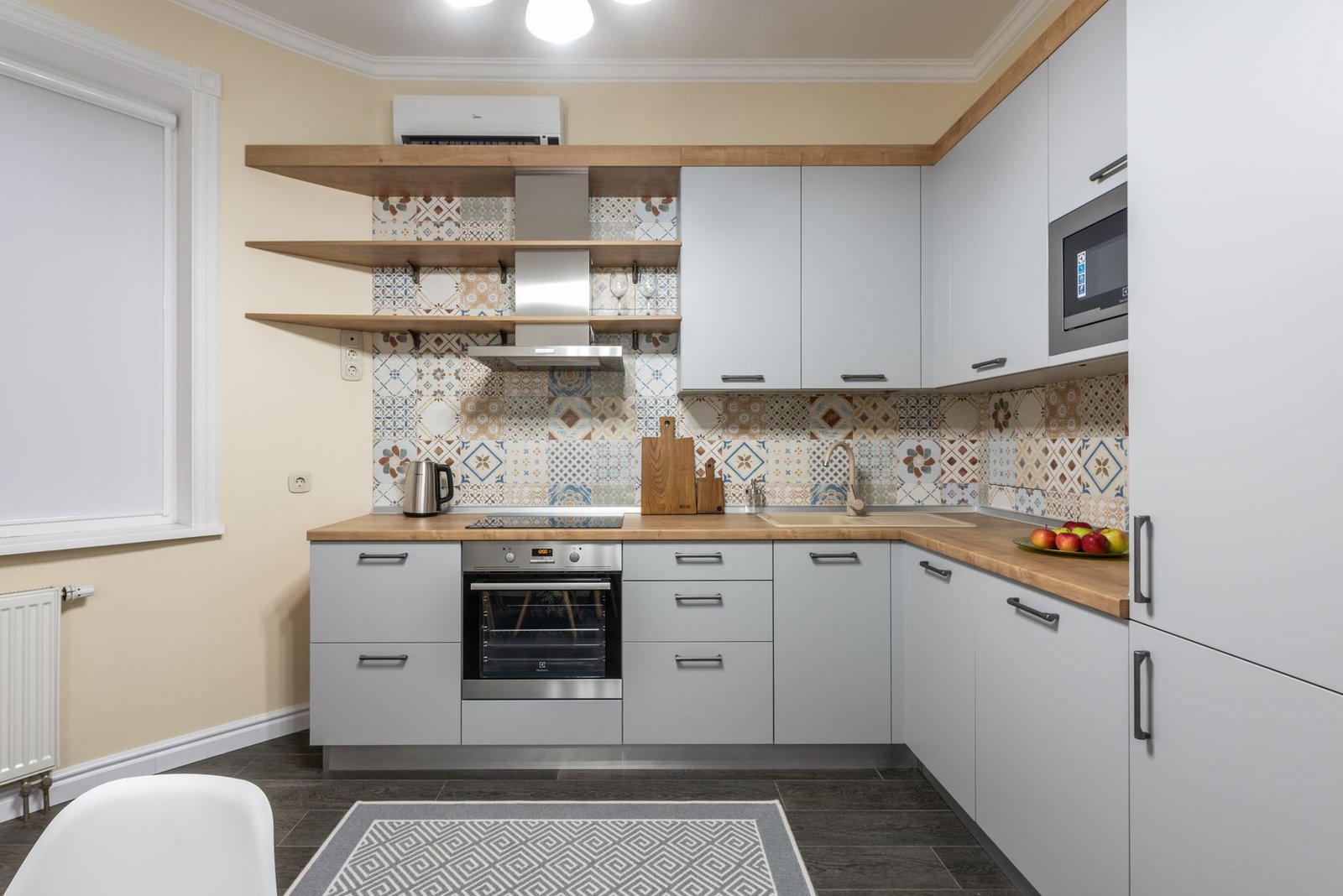
In the evolving landscape of kitchen design, the choice between open shelving and traditional upper cabinets remains a pivotal decision for homeowners planning renovations or new constructions in 2026. There is no singular ‘better’ option, as the optimal solution depends entirely on a resident’s lifestyle, aesthetic preferences, and practical storage requirements. This article delves into the aesthetic, practical, and organizational aspects of both options, incorporating contemporary trends and material advancements to guide the homeowner’s informed decision.
Aesthetic Impact and Design Philosophy
The visual signature of a kitchen is heavily influenced by its storage choices. Understanding the distinct aesthetic contributions of open shelving versus upper cabinets is fundamental to achieving a desired design harmony.
The Allure of Open Shelving
Open shelving continues its strong presence in 2026, lauded for its ability to create a visually lighter, more expansive feel within a kitchen space. This design choice often complements minimalist, industrial, Scandinavian, and modern farmhouse aesthetics by offering uninterrupted sightlines and an airy ambiance. Contemporary iterations feature sleek, thin profiles in materials like augmented wood composites, recycled aluminum, or sustainable bamboo. A significant trend for 2026 includes integrated smart lighting within the shelves themselves, such as tunable LEDs that adjust color temperature throughout the day, enhancing both visibility and the display of curated items. Open shelving allows for personalization, enabling the resident to showcase decorative dinnerware, artisanal pottery, or cherished culinary books, turning storage into an integral part of the room’s decor.
The Enduring Appeal of Upper Cabinets
Traditional upper cabinets maintain their classic appeal, offering a sense of enclosure and formal structure to the kitchen. For residents who prefer a seamless, uncluttered look, cabinets provide an ideal solution for concealing various kitchen items. Modern cabinet designs in 2026 often feature minimalist handleless fronts, utilizing push-to-open mechanisms or sophisticated servo-drive systems for a sleek finish. Material developments include ultra-matte finishes with anti-fingerprint technology and innovative bioplastics that mimic natural wood or stone textures with enhanced durability. Furthermore, advancements in smart glass technology allow for switchable opacity fronts, offering the option to reveal or conceal contents at will, blending the benefits of open display with the practicality of enclosed storage.
Practicality, Accessibility, and Everyday Functionality
Beyond aesthetics, the practical implications of each storage solution significantly impact daily kitchen use and overall efficiency.
Operational Aspects of Open Shelving
One of the primary practical benefits of open shelving is its unparalleled accessibility. Items are always within easy reach and sight, making meal preparation more fluid for the resident who frequently uses specific utensils, spices, or dinnerware. This immediate visual inventory can streamline cooking processes. However, this exposed nature comes with inherent drawbacks: dust accumulation and exposure to cooking grease and fumes are significant concerns, necessitating more frequent cleaning. Items displayed must be consistently clean and aesthetically pleasing, as any disarray is immediately visible. Open shelves are also less suitable for storing bulky, irregularly shaped, or less attractive kitchen essentials, limiting their capacity for diverse storage.
The Utility of Upper Cabinets
Upper cabinets excel in providing protected, dust-free storage, safeguarding dishware, pantry items, and small appliances from airborne particles and kitchen splatter. Their enclosed nature allows for a greater capacity for varied items, including those that are less visually appealing, contributing to an overall tidier kitchen appearance. For 2026, smart storage solutions are becoming more prevalent within cabinets, including automated internal shelving systems, pull-down units for easier access to higher items, and even voice-activated opening mechanisms, enhancing functionality and convenience. While contents are not immediately visible, efficient internal organization systems, such as dividers and pull-out shelves, can mitigate any perceived lack of accessibility.
Organizational Discipline and Maintenance Commitments
The long-term satisfaction with either storage choice often hinges on the homeowner’s willingness to commit to the required level of organization and maintenance.
Demands of Open Shelving
Opting for open shelving requires a considerable commitment to meticulous organization and regular maintenance. Every item on display contributes to the overall aesthetic, meaning consistent decluttering and careful styling are non-negotiable. For residents who thrive on order and enjoy curating their kitchen environment, this can be a rewarding endeavor. However, for those with busy schedules or a preference for less visual stimulus, the constant need to arrange and dust can become burdensome. Surfaces require weekly wiping to combat dust and grease build-up, especially in active cooking zones. Open shelving is best suited for residents who are dedicated to a minimalist approach and frequently use the items they choose to display.
Managing Upper Cabinets
Upper cabinets offer the advantage of