
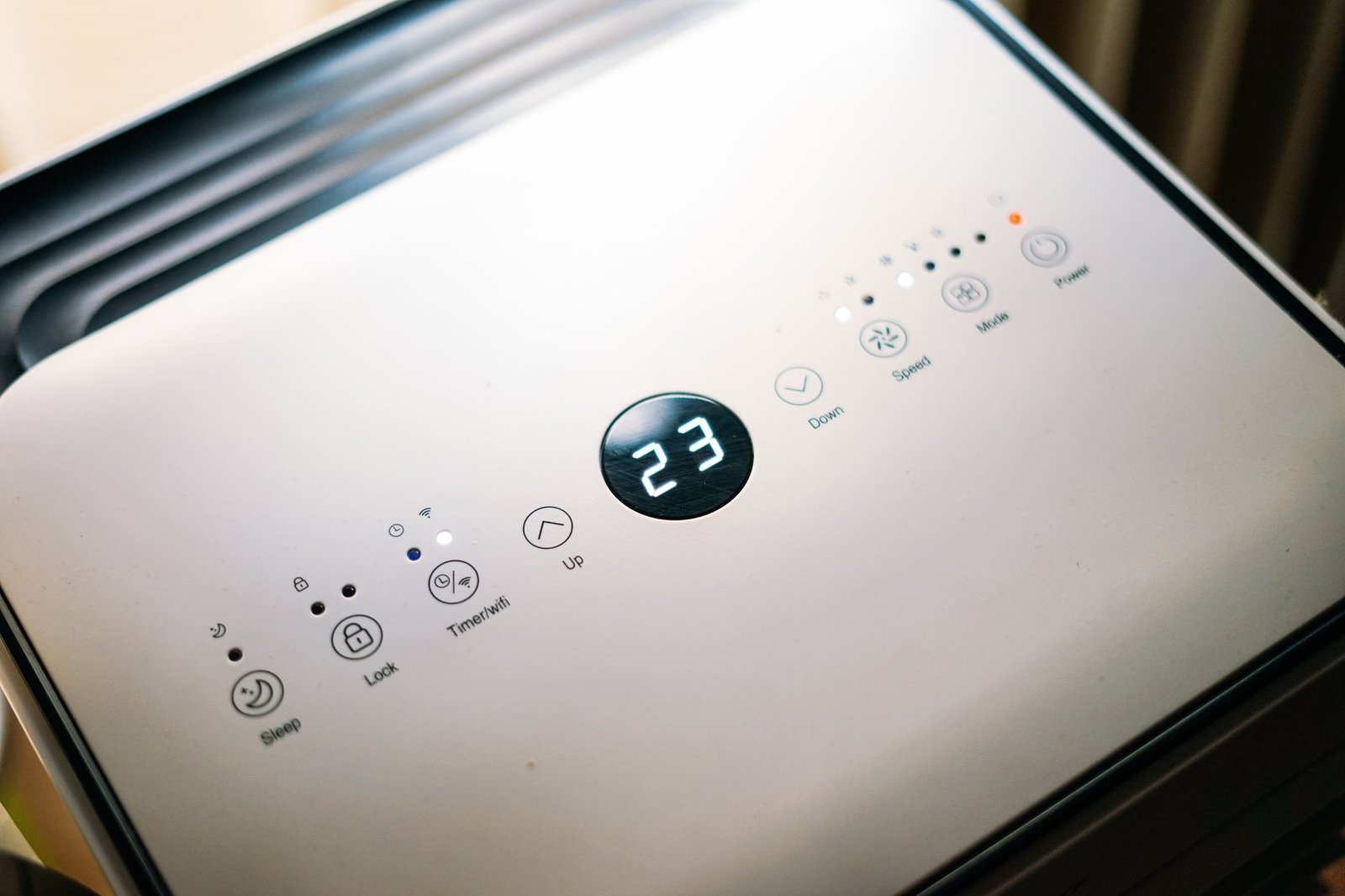
Determining whether a home requires a humidifier or a dehumidifier hinges entirely on diagnosing the prevalent indoor air quality issue. For some residences, a lack of moisture leads to discomfort and potential structural damage, while for others, excessive humidity creates an environment ripe for mold, allergens, and general stuffiness. The correct device for 2026 depends precisely on specific symptoms and the prevailing environmental conditions within the dwelling.
Understanding the nuances of indoor humidity is critical for achieving optimal home wellness and comfort. With advancements in smart home technology and a growing emphasis on energy efficiency, selecting the appropriate solution in 2026 is more informed than ever, allowing homeowners to precisely target their air quality challenges.
Understanding Indoor Humidity: The Foundation of Home Comfort
Indoor relative humidity (RH) plays a pivotal role in a home’s overall health and the well-being of its occupants. Experts generally recommend maintaining indoor RH levels between 40% and 60%. Deviations from this range can lead to a variety of problems, impacting everything from respiratory health to the longevity of furnishings and structural integrity.
Signs of Low Humidity
When the air inside a residence is too dry, several indicators may become apparent. The resident might observe:
- Dry, itchy skin and eyes: A common complaint during drier seasons.
- Cracked lips and nasal passages: Leading to discomfort and increased susceptibility to colds.
- Static electricity: Frequent shocks when touching objects or other individuals.
- Cracked wooden furniture or flooring: Dry air draws moisture from wood, causing it to shrink and crack.
- Increased dust and allergens: Dry air can suspend fine particles more readily.
- Frequent sore throats or coughs: Irritated respiratory passages are more vulnerable.
Signs of High Humidity
Conversely, an environment with excessive moisture presents a different set of challenges:
- Musty odors: A telltale sign of mold or mildew growth.
- Condensation on windows and cold surfaces: Indicating that the air is saturated with moisture.
- Peeling paint or wallpaper: Moisture can cause adhesives to fail.
- Warped wooden doors or floors: Wood absorbs excess moisture and expands.
- Increased presence of pests: Dust mites, silverfish, and cockroaches thrive in humid conditions.
- Feeling of stuffiness or clamminess: Even at moderate temperatures, the air feels heavy and uncomfortable.
- Visible mold or mildew: Black, green, or white spots on walls, ceilings, or fabrics.
When a Humidifier is the Solution: Battling Dryness in 2026
For homes experiencing the discomforts and issues associated with overly dry air, a humidifier is the essential appliance. These devices add moisture to the air, restoring balance and promoting a healthier indoor environment.
Benefits of Modern Humidifiers
Contemporary humidifiers offer numerous advantages beyond simply adding moisture:
- Alleviated respiratory symptoms: Soothes dry throats, nasal passages, and helps relieve congestion.
- Improved skin and hair health: Prevents dryness, itching, and flaking.
- Protection for home furnishings: Helps preserve wooden furniture, musical instruments, and artwork from cracking or warping.
- Reduced static electricity: Creates a more comfortable living space.
- Enhanced plant health: Many houseplants thrive in more humid conditions.
Modern Humidifier Technologies for 2026
The humidifier market in 2026 features advanced technologies focused on efficiency, hygiene, and smart integration. Key trends include:
- Smart Home Connectivity: Wi-Fi enabled devices allow remote control and integration with smart home ecosystems, often leveraging AI for optimized humidity levels based on external weather data.
- Evaporative & Ultrasonic Innovations: Enhanced filtration systems, often incorporating UV-C light, reduce mineral dust and combat bacterial growth, ensuring cleaner mist. Whisper-quiet ultrasonic models continue to be popular for their efficiency and discretion.
- Sustainable Materials: A shift towards more eco-friendly plastics and longer-lasting components for reduced environmental impact.
- Integrated Sensors: Highly accurate hygrometers and temperature sensors for precise humidity control, preventing over-humidification.
Top Humidifier Considerations for Dry Climates in 2026
When selecting a humidifier, residents should consider factors such as coverage area, water tank capacity, and desired features. Leading options often include whole-home systems integrated with HVAC, or advanced portable units with multi-stage filtration and smart features. Models boasting Energy Star certification and intuitive app control are highly sought after for 2026.
When a Dehumidifier is the Solution: Conquering Excess Moisture in 2026
If a home struggles with high humidity, particularly in basements, bathrooms, or during humid seasons, a dehumidifier is the necessary countermeasure. These appliances work by drawing excess moisture out of the air, preventing mold, mildew, and structural damage.
Benefits of Modern Dehumidifiers
Implementing a dehumidifier brings about significant improvements:
- Prevention of mold and mildew growth: The primary benefit, safeguarding health and property.
- Elimination of musty odors: Improves overall air freshness.
- Reduced allergen levels: Discourages dust mites and other humidity-loving pests.
- Protection for structural elements: Prevents wood rot, peeling paint, and warping.
- Improved comfort: Makes the air feel cooler and less stuffy, allowing thermostats to be set higher, potentially saving energy.
- Drying of laundry: Can assist in drying clothes faster indoors.
Advanced Dehumidifier Systems for 2026
Dehumidifier technology in 2026 emphasizes energy efficiency, capacity, and smart functionality:
- Desiccant vs. Refrigerant: While refrigerant models remain popular for general use, advanced desiccant dehumidifiers are gaining traction for colder environments (e.g., unheated basements) where refrigerant coils might frost.
- Integrated Pumps: Many modern units include internal pumps for continuous drainage, eliminating the need for manual emptying of the water reservoir.
- Smart Humidity Control: Wi-Fi connectivity allows for remote monitoring and adjustment, often featuring AI-powered algorithms to predict humidity spikes based on weather forecasts.
- Quiet Operation: Engineering advancements have significantly reduced operational noise levels, making units less intrusive in living spaces.
- HEPA Filtration Integration: Some high-end models combine dehumidification with air purification, capturing airborne particles while removing moisture.
Top Dehumidifier Considerations for Humid Climates in 2026
For selecting a dehumidifier, the resident should prioritize pint capacity based on the room size and humidity level, energy efficiency ratings, and drainage options. Whole-home dehumidifiers, often integrated with the HVAC system, are ideal for comprehensive control. Portable units with Energy Star certification, quiet operation, and smart features are excellent for targeted areas.
Diagnosis and Selection: Making the Right Choice for 2026
The decision between a humidifier and a dehumidifier ultimately rests on accurate diagnosis of the home’s specific air problem. A careful assessment is key.
DIY Home Assessment
Homeowners can conduct an initial assessment:
- Monitor Humidity Levels: Use a simple hygrometer to track indoor relative humidity over several days or weeks. This provides concrete data.
- Observe Symptoms: Pay close attention to personal comfort (skin, eyes, respiratory) and any physical signs within the home (cracked wood, condensation, odors).
- Consider Climate: Local climate plays a significant role. Arid regions are more prone to dryness, while coastal or swampy areas often battle excess humidity.
Professional Consultation and Smart Home Integration
For more complex or persistent issues, a professional HVAC technician or indoor air quality specialist can provide a thorough analysis. In 2026, many professionals utilize advanced diagnostics and offer integrated smart home solutions that connect with existing HVAC systems for seamless, automated humidity control. These systems often feature predictive analytics, adjusting humidity based on real-time data and projected weather changes.
Maintenance and Future Trends
Regardless of the chosen device, regular maintenance is crucial for optimal performance, energy efficiency, and longevity. This includes cleaning filters, emptying water tanks, and descaling as per manufacturer guidelines.
Looking ahead, the emphasis on sustainable home solutions, AI-driven climate optimization, and hyper-local environmental sensing will continue to shape the humidifier and dehumidifier markets. Expect devices that not only balance humidity but also contribute to overall air purification and energy savings through advanced algorithms and material innovations. The goal remains a perfectly balanced, comfortable, and healthy indoor environment for every resident.