
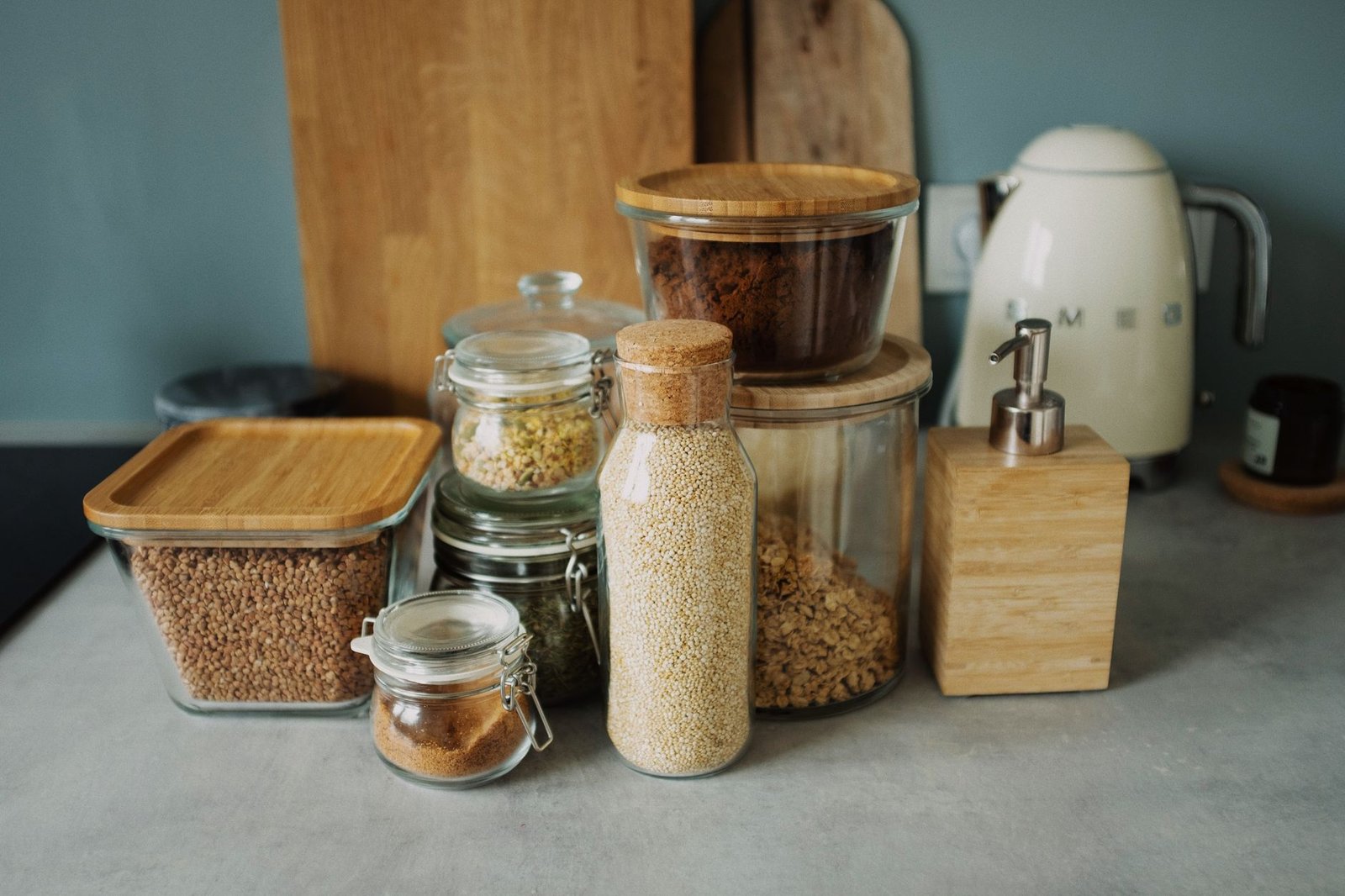
The culinary pantry, once a mere storage space, has evolved into a vital nexus of domestic comfort and gastronomic efficiency. In 2026, the aspiration for a functional and aesthetically pleasing pantry extends beyond simple tidiness, embracing advanced structural frameworks that streamline operations and elevate the entire culinary experience. This evolution is driven by contemporary design principles, material innovations, and integrated smart technologies, ensuring that every ingredient is not only accessible but also maintained in optimal condition.
The Core of Freshness: Airtight Canister Systems
Preserving the integrity of ingredients is fundamental to a high-performing pantry. Airtight canister utilization serves as the cornerstone of this preservation strategy, safeguarding dry goods from moisture, pests, and oxidation. The visual uniformity achieved through standardized canisters also contributes significantly to a clean and organized aesthetic, reducing visual clutter and promoting a sense of calm within the pantry space.
Material Innovations for 2026
The materials employed in modern canister systems reflect a dual focus on performance and sustainability. Manufacturers are increasingly prioritizing options that offer superior sealing capabilities, durability, and environmental responsibility.
- Borosilicate Glass: Renowned for its exceptional clarity, resistance to thermal shock, and non-reactive properties, borosilicate glass remains a premium choice. Its ability to showcase contents while being easy to clean and sanitize makes it ideal for frequent use.
- Advanced BPA-Free Polymers: Contemporary polymer canisters boast enhanced durability and lighter weight, often featuring sophisticated smart-seal mechanisms. These include integrated vacuum-seal lids that actively remove air to extend shelf life, representing a significant technological leap in food preservation.
- Bio-Composites: Reflecting a broader industry trend towards eco-conscious design, bio-composite materials derived from renewable resources offer robust storage solutions with a minimal environmental footprint. These can feature unique textured finishes, adding a tactile dimension to pantry organization.
Strategic Categorization and Labeling
Beyond material, the intelligent categorization of contents within canisters is paramount. Grouping similar items—such as grains, flours, sugars, and legumes—enhances intuitive retrieval. Modern labeling practices have also evolved:
- Minimalist Design: Waterproof and smudge-proof labels are preferred, often with a minimalist design that integrates seamlessly into the overall aesthetic.
- Digital Integration: A 2026 trend includes NFC (Near Field Communication) or RFID (Radio-Frequency Identification) enabled labels. These allow for quick inventory updates via a smartphone or smart home hub, tracking expiry dates and reorder points with unprecedented precision.
- Dynamic Labeling: Some canisters feature write-on/wipe-off surfaces, providing flexibility for handwritten notes on batch dates or specific preparation instructions, easily updated as contents change.
Elevating Efficiency: Tiered Shelving Architectures
Effective pantry organization hinges on maximizing vertical space and ensuring every item is within easy reach. Traditional flat shelving often leads to buried items and wasted potential. Tiered shelving optimization is crucial for transforming a chaotic cupboard into a highly functional storage environment, providing clear sightlines and easy access to all provisions.
Diverse Shelving Solutions
A range of structural solutions exists to harness vertical space, each designed to address specific storage challenges:
- Adjustable Shelving Systems: These versatile systems allow the resident to reconfigure shelf heights to accommodate varying container sizes, ensuring no space is wasted above smaller items. Modern iterations often feature modular, tool-free assembly for effortless customization.
- Pull-Out Drawers and Baskets: Ideal for deep pantries, full-extension, soft-close drawers or robust wire baskets bring items from the back of the shelf to the front. They are particularly effective for bulk goods, cleaning supplies, or items with irregular shapes.
- Step Risers and Tiered Organizers: These simple yet effective tools elevate items at the back of a shelf, making them visible and accessible. Constructed from materials like clear acrylic, sustainable bamboo, or recycled metal alloys, they maintain a cohesive aesthetic.
- Lazy Susans and Rotating Carousels: Perfect for corner pantries or deep cabinets, these rotating units provide quick access to spices, oils, condiments, and small jars, eliminating the need to search through crowded shelves.
Ergonomic Placement and Accessibility
The strategic placement of items is as important as the shelving itself. An ergonomically designed pantry minimizes bending and stretching, making daily tasks more efficient for the resident.
- Eye-Level Zone: This prime real estate should house frequently used items such as everyday grains, spices, and cooking oils.
- Below-Level Zone: Heavier items like bulk bags of flour or sugar, canned goods, and children’s snacks are best placed here for safe and easy retrieval.
- Higher Shelves: Reserve the topmost shelves for infrequently used kitchen equipment, seasonal items, or backup stock, utilizing sturdy step stools for safe access.
Consideration for the specific needs and mobility of the resident ensures the pantry is a universally accessible and comfortable space.
Streamlined Operations: Decanting & Inventory Clarity
Decanting, the practice of transferring contents from original packaging to uniform, purpose-built containers, significantly enhances pantry aesthetics, saves space, and simplifies portion control. This methodology, combined with robust inventory management, ensures the resident always has a clear understanding of pantry contents and usage patterns.
Purposeful Decanting Vessels
While often associated with dry goods, decanting extends beneficially to liquids and frequently used condiments, offering both functional and visual advantages.
- Oils and Vinegars: Dark, UV-protected glass or ceramic dispensers are ideal for preserving flavor and preventing degradation. These often feature controlled pour spouts for precise measurement and drip-free dispensing.
- Syrups and Honey: Gravity-fed dispensers or vessels with ergonomic, easy-pour designs prevent sticky messes and allow for controlled application.
- Bulk Spices and Herbs: Storing larger quantities in uniform, smaller glass jars with shaker/pour options maintains freshness and simplifies access during cooking.
- 2026 Trend: Integrated Dispenser Technology: Some advanced decanting vessels now feature integrated, precise measuring capabilities, allowing the resident to dispense exact quantities with a simple press or turn, eliminating the need for separate measuring tools.
Dynamic Inventory Management
Knowing what is available, its quantity, and its freshness date is critical for efficient meal planning and waste reduction. Modern pantries integrate several strategies for dynamic inventory clarity.
- Batch Labeling: Beyond product name, labels include the original expiry date, date opened, and approximate quantity remaining. This crucial data aids in practicing the