
When a home feels stuffy, identifying the root cause is paramount for effective intervention. Generally, an air purifier addresses issues stemming from airborne contaminants and odors, while a dehumidifier targets problems caused by excessive humidity. Deciding between an air purifier and a dehumidifier in 2026 hinges entirely on whether the primary concern is poor air quality – evidenced by allergens, pollutants, and lingering smells – or high moisture levels, which manifest as mustiness, clamminess, and potential mold growth.
Understanding the distinct functions and modern capabilities of each device allows homeowners to make an informed choice, fostering a healthier and more comfortable living environment aligned with contemporary home wellness standards.
Understanding the Culprits: Why Homes Feel Stuffy
High Humidity and Its Effects
Excessive indoor humidity is a common perpetrator behind a stuffy, uncomfortable home. When relative humidity consistently exceeds the recommended 50-60% threshold, several issues can arise. A noticeable musty odor is often the first indicator, signaling the potential for mold and mildew growth in hidden spaces like walls, ceilings, and under flooring. Furthermore, high humidity creates an ideal breeding ground for dust mites, microscopic organisms known to exacerbate allergies and asthma.
Physically, residents may experience a clammy sensation, even at moderate temperatures, and persistent condensation on windows or cold surfaces. Prolonged exposure to high humidity can also compromise indoor air quality by encouraging microbial proliferation and making the air feel heavy and stagnant, contributing significantly to a general sense of stuffiness.
Poor Air Quality and Its Effects
Conversely, a stuffy home can also be a symptom of subpar indoor air quality, irrespective of humidity levels. This encompasses a range of airborne pollutants, including allergens such as pollen, pet dander, and dust, alongside volatile organic compounds (VOCs) released from furniture, cleaning products, and building materials. External factors like urban pollution and smoke can infiltrate indoor spaces, further degrading air quality.
The immediate effects on residents can include respiratory irritation, sneezing, coughing, and eye discomfort. Over time, exposure to various pollutants may contribute to more chronic health issues, fatigue, and diminished overall well-being. A home with poor air circulation and a buildup of these microscopic particles will invariably feel less fresh and invigorating, presenting as a pervasive stuffiness.
The Air Purifier: A Deep Dive into Clean Air
How Air Purifiers Work
Air purifiers are engineered to remove contaminants from the air. The most effective models in 2026 typically employ a multi-stage filtration system. The cornerstone is often a High-Efficiency Particulate Air (HEPA) filter, capable of capturing 99.97% of airborne particles 0.3 microns in size, including pollen, pet dander, dust mites, and mold spores. Following this, an activated carbon filter works to absorb odors, gases, and volatile organic compounds (VOCs).
Modern air purifiers integrate advanced technologies, reflecting 2026 industry trends. Many units now feature UV-C sterilization lamps for inactivating viruses and bacteria, alongside photocatalytic oxidation (PCO) technology that can break down harmful pollutants at a molecular level. Smart sensors, often powered by AI, offer real-time detection of various air contaminants, from PM2.5 to VOCs, automatically adjusting filtration intensity. Filter materials are also evolving, with enhanced multi-layer composites offering greater longevity and filtration efficiency, alongside growing availability of sustainably sourced and recyclable options.
When an Air Purifier is the Solution
An air purifier is the optimal choice when the primary cause of stuffiness or discomfort is related to airborne particulates and chemical pollutants. This includes homes where residents suffer from allergies or asthma, as the device effectively removes triggers like pollen, dust mites, and pet dander. It is also beneficial for homes with pets, smokers, or those located in urban areas prone to higher levels of outdoor pollution, as well as residences near industrial zones where airborne chemicals might be a concern.
Furthermore, an air purifier can significantly improve indoor air quality for individuals sensitive to indoor chemical emissions from new furniture, paint, or cleaning products. Eliminating unpleasant odors, whether from cooking, pets, or general stale air, is another key benefit, contributing to a fresher and less stuffy home environment.
The Dehumidifier: Tackling Excess Moisture
How Dehumidifiers Work
Dehumidifiers operate by extracting excess moisture from the air, thereby lowering the indoor relative humidity. Most common models utilize a refrigeration process: warm, moist air is drawn over cold coils, causing the water vapor to condense into liquid, which is then collected in a reservoir. The now-dry air is reheated and released back into the room. Desiccant dehumidifiers, another type, use moisture-absorbing materials to remove humidity, often favored in cooler climates or for specific applications like garages due to their effectiveness at lower temperatures.
By 2026, advancements include highly energy-efficient compressorless models utilizing thermoelectric or solid-state technologies, which are significantly quieter. Smart humidity sensors are now standard, enabling predictive operation that anticipates humidity changes and maintains optimal levels with minimal user intervention. Whole-home dehumidification systems can integrate seamlessly with existing HVAC infrastructure, offering uniform moisture control. Internal components are increasingly corrosion-resistant, enhancing device longevity and reducing maintenance requirements.
When a Dehumidifier is the SolutionA dehumidifier is the definitive solution when a home’s stuffiness stems from high relative humidity. Indicators for its necessity include a consistent indoor humidity level above 50-60%, a pervasive musty odor, the presence of visible condensation on windows or walls, or recurring mold and mildew growth in damp areas like basements, bathrooms, and laundry rooms. Homes in naturally humid climates, or those with poor ventilation, are prime candidates.
By reducing moisture, a dehumidifier not only eliminates the clammy feeling associated with high humidity but also prevents the proliferation of mold, mildew, and dust mites, which thrive in damp conditions. This directly impacts respiratory health and reduces allergenic triggers. Furthermore, controlling humidity safeguards a home’s structure and contents from moisture-related damage, such as warping wood or peeling paint, ultimately contributing to a more comfortable and structurally sound living space.
Making the Right Choice: Diagnosis for a Healthier Home
Assessing the Home Environment
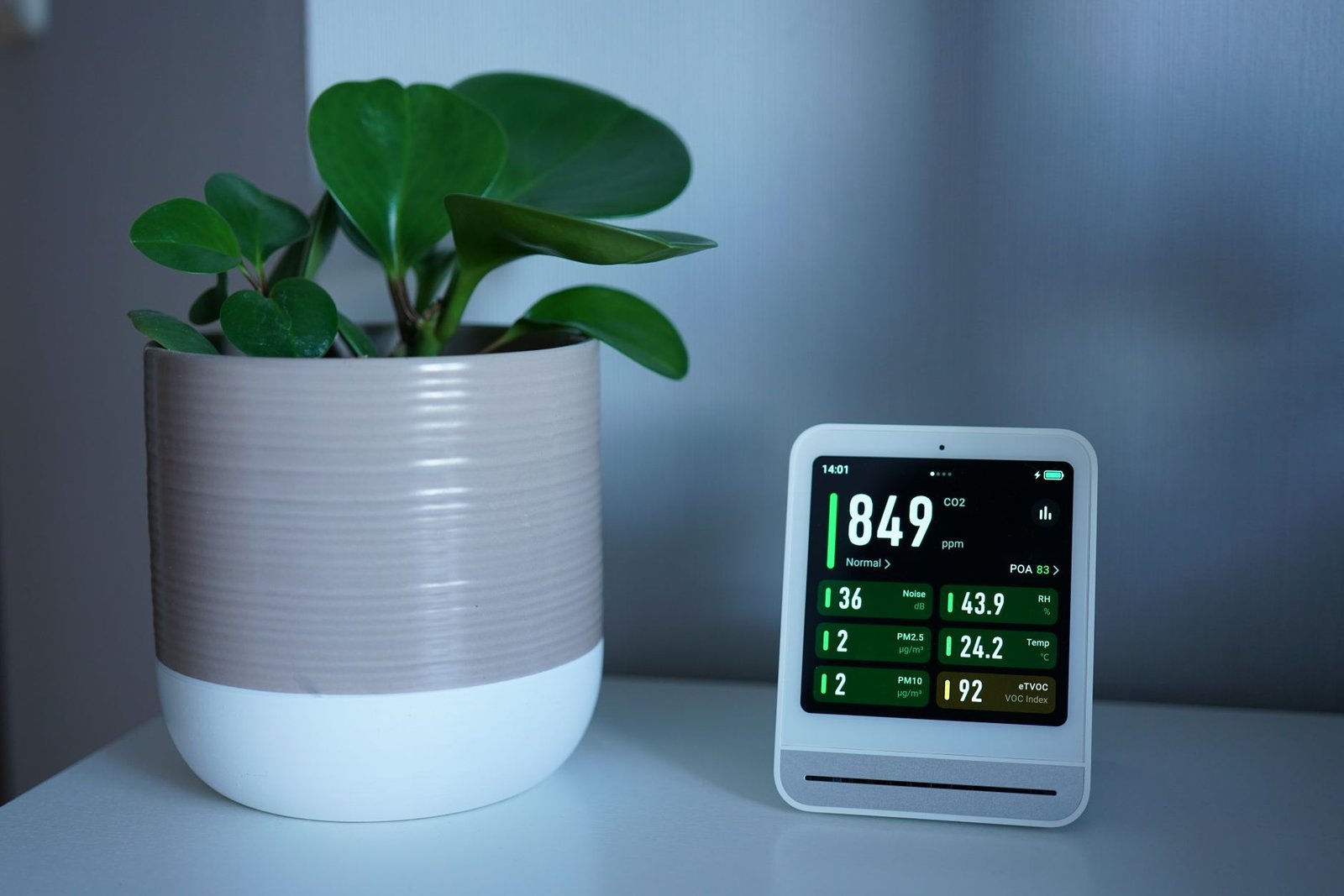
To determine whether an air purifier or a dehumidifier is needed, a careful assessment of the home environment is crucial. Residents should observe specific symptoms: a musty smell strongly indicates excessive humidity, while persistent allergies, visible dust, or lingering odors point towards air quality issues. Employing diagnostic tools can provide objective data; a simple hygrometer measures relative humidity, while more advanced indoor air quality monitors can detect levels of particulates, VOCs, and carbon dioxide. These tools provide objective data, guiding the homeowner towards the appropriate solution.
The Synergy Approach: When Both are Needed
In many modern homes, especially those in diverse climates or with specific resident needs, both high humidity and poor air quality can contribute to a stuffy feeling. For instance, a home in a humid region with pets and allergy sufferers will likely benefit from both devices. In such scenarios, a dual approach is most effective. Some manufacturers offer integrated units that combine both functions, providing a compact solution. Alternatively, using separate devices allows for targeted placement and customization – a dehumidifier in a damp basement and an air purifier in a bedroom or living area with high foot traffic or pet presence. Strategic placement and operation ensure comprehensive home wellness.
2026 Trends in Home Wellness Technology
The year 2026 marks a significant evolution in home wellness technology, characterized by enhanced integration and intelligence. Devices are increasingly part of a larger smart home ecosystem, with air purifiers and dehumidifiers communicating with each other and with HVAC systems to optimize overall indoor climate control. AI-driven algorithms personalize settings based on resident preferences, historical data, and real-time environmental conditions, creating a truly adaptive living space.
Energy efficiency remains a core focus, with innovations leading to lower power consumption and quieter operation through advanced fan designs and acoustic insulation. Sustainable manufacturing practices and the use of eco-friendly materials are also on the rise. Furthermore, aesthetic integration is a priority; sleek, unobtrusive designs allow these essential appliances to blend seamlessly with modern interior décor, moving beyond mere functionality to become integral elements of a thoughtfully designed home.
Conclusion
Addressing a stuffy home effectively requires accurately identifying the primary environmental challenge. If the discomfort arises from airborne pollutants, allergens, or odors, an advanced air purifier is the strategic investment. Conversely, if the problem is rooted in excessive moisture, leading to mustiness, clamminess, or mold, a modern dehumidifier provides the targeted solution. For comprehensive home wellness in 2026, particularly in environments facing multifaceted challenges, a synergistic approach utilizing both technologies often delivers the most optimal and comfortable living conditions. By understanding these distinctions, homeowners can confidently select the right tool to cultivate a fresh, healthy, and inviting indoor atmosphere.