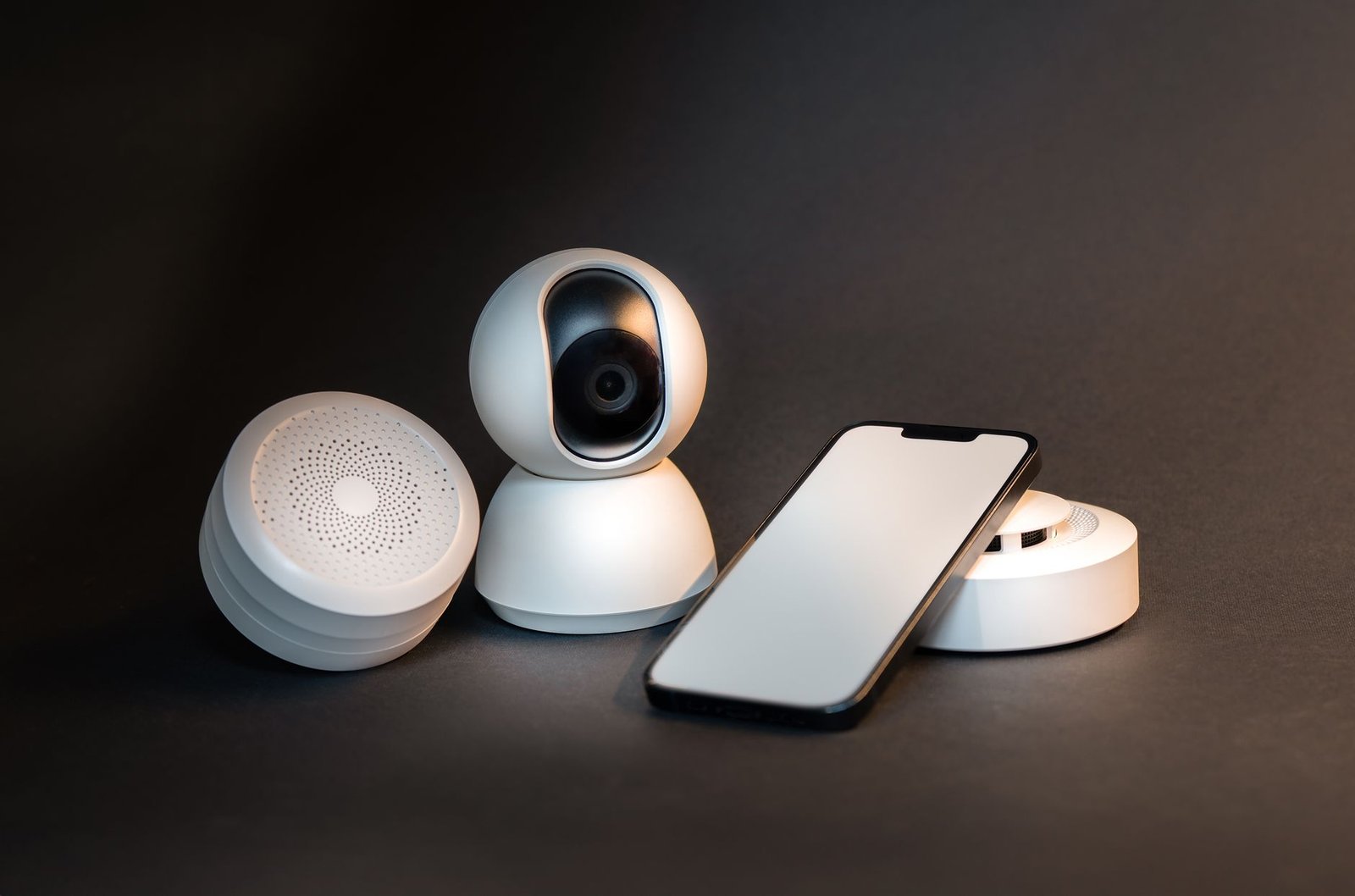
In 2026, the investment for a comprehensive smart home security system, including professional installation, typically ranges from approximately $500 for basic setups to over $4,000 for high-end, integrated solutions. This initial outlay covers hardware and the labor involved in deployment. Beyond the upfront expenditure, ongoing monthly monitoring services, if chosen, can add between $15 and $60, depending on the service level and included features. The total cost is significantly influenced by the system’s complexity, the number of devices, the level of smart integration, and the specific installation requirements of the property.
Understanding the Cost Factors in 2026 for Smart Home Security
The financial commitment for a smart home security system in 2026 is not a one-size-fits-all figure. Several critical elements dictate the overall expenditure, encompassing both initial setup and recurring fees.
System Type and Scope
The fundamental determinant of cost is the type of system chosen. Basic packages typically include a central hub, a few door/window sensors, and a siren. Mid-range systems expand to incorporate advanced cameras, smart locks, and environmental sensors. High-end, customized solutions offer comprehensive perimeter and interior protection, leveraging sophisticated AI analytics and full smart home ecosystem integration. The broader the scope and the more features desired, the higher the initial hardware cost.
Hardware and Advanced Technology
The caliber of components significantly influences pricing. In 2026, standard hardware includes highly efficient, compact sensors with extended battery life, often featuring on-device AI for basic event detection. Advanced systems incorporate 4K ultra-low-light cameras, biometric access control (facial recognition, fingerprint scanners), and edge computing devices for faster, more secure local data processing. Modern material developments focus on sustainability, with robust, recycled composites and energy-harvesting technologies appearing in premium sensors, adding to their initial cost but offering long-term efficiency.
Professional Installation Complexity
While DIY options exist for simpler systems, professional installation is frequently chosen for its reliability and expertise. The complexity of installation can drive costs upward. Factors include the property’s size, the number of devices, whether the system requires wired or wireless components, and the extent of integration with existing smart home infrastructure. Custom wiring, network optimization, and meticulous sensor calibration for optimal coverage require skilled technicians, impacting labor costs.
Monitoring Services
The choice between self-monitoring and professional monitoring dramatically affects ongoing costs. Self-monitoring typically involves no monthly fees but places the responsibility of alert response solely on the resident. Professional monitoring, offered at various tiers, provides 24/7 surveillance, emergency dispatch, and cellular backup, ensuring continuous protection even during power outages. Advanced professional plans may include video verification, environmental monitoring (smoke, CO, water leaks), and health emergency response, each adding to the monthly subscription.
Advanced Features and Customization
Beyond core security functions, modern smart home security systems offer a plethora of advanced features. These can include AI-driven threat detection, integrated smart lighting and HVAC control, remote-controlled access for gates or garages, and, for larger properties, even early-stage drone or robotic surveillance integration. Such highly specialized and customized features add considerable cost due to specialized hardware and complex software integration.
Detailed Cost Breakdown by Smart Home Security System Type in 2026
To provide a clearer financial picture, smart home security systems can be categorized by their typical offerings and associated expenses.
Entry-Level Smart Security Systems
- Initial Hardware + Installation: Approximately $300 – $800
- Monthly Monitoring: $0 – $25 (often for self-monitoring or basic app access)
These systems are typically wireless, making them popular for apartment dwellers or smaller homes. They usually include a central hub, two to four door/window sensors, one motion detector, and possibly a basic indoor camera. Installation for these systems can often be a homeowner’s project, though basic professional setup might be chosen for convenience. In 2026, even entry-level hardware features enhanced connectivity via Matter protocol, extended battery life from energy-efficient components, and rudimentary on-device AI to differentiate between pets and humans, minimizing false alarms.
Mid-Range Integrated Systems
- Initial Hardware + Installation: Approximately $800 – $2,500
- Monthly Monitoring: $25 – $45
Mid-range solutions offer broader coverage and deeper integration capabilities. They often include an expanded number of sensors, multiple 4K outdoor cameras with enhanced night vision and advanced AI person detection, smart locks, and video doorbells with two-way audio. These systems seamlessly integrate with other smart home devices using unified protocols like Matter or established standards such as Zigbee and Z-Wave. Professional installation is highly recommended to ensure optimal device placement, network stability, and proper integration across the smart home ecosystem. Hardware in this category typically features robust encryption and edge processing, allowing for quicker local data analysis and enhanced privacy.
High-End & Customized Solutions
- Initial Hardware + Installation: Approximately $2,500 – $7,000+
- Monthly Monitoring: $45 – $60+
These comprehensive systems are tailored for larger properties or residents desiring maximal security and automation. They encompass extensive perimeter and interior protection, multiple high-definition cameras with advanced analytics (e.g., facial recognition for authorized entry, package detection), biometric access control, a full suite of environmental sensors (smoke, CO, water leak, freeze detection), and sophisticated smart lighting and HVAC integration. Some solutions may include specialized components like reinforced smart safes, remote-controlled gate access, or even rudimentary drone surveillance for vast estates. Professional installation is mandatory, often involving custom wiring, complex network optimization, and meticulous sensor calibration to create a fully integrated, responsive security mesh. In 2026, high-end systems leverage advanced AI for predictive threat analysis, potentially integrating directly with local emergency services protocols for expedited response, and may incorporate quantum-resistant encryption for unparalleled data security.
2026 Industry Trends Influencing Smart Security Costs
The smart home security landscape is rapidly evolving, with several key trends shaping product development and, consequently, pricing in 2026.
AI and Machine Learning Dominance
AI’s integration continues to mature, offering more sophisticated threat detection. Advanced algorithms reduce false alarms by accurately distinguishing between humans, animals, and vehicles. Predictive analytics provide insights into potential vulnerabilities, allowing for proactive adjustments. While enhancing system intelligence and reliability, the development and integration of these AI capabilities add to hardware and software costs, often reflected in premium system pricing and advanced monitoring tiers.
Biometric Authentication Advancements
Biometric access control, including highly accurate facial recognition and multi-factor fingerprint scanning, is becoming more prevalent. These technologies offer superior convenience and security compared to traditional keys or codes. The precision and reliability of 2026 biometric sensors contribute to higher hardware costs for access control modules but represent a significant leap in secure entry management.
Edge Computing for Privacy and Speed
The shift towards edge computing means more data processing occurs directly on devices rather than solely in the cloud. This enhances privacy by reducing the amount of personal data transmitted externally and improves response times for critical events. Incorporating powerful processors into individual sensors and cameras to facilitate edge computing increases their manufacturing cost, a factor passed on to the homeowner.
Sustainable and Durable Materials
An increasing focus on environmental responsibility in 2026 sees manufacturers utilizing more recycled and sustainable materials for device casings and components. Furthermore, products are designed for enhanced durability and energy efficiency, often featuring solar-powered or energy-harvesting sensors that minimize battery changes. While these materials and designs might incur slightly higher initial production costs, they offer long-term benefits in reduced waste and lower operational energy consumption for the resident.
Enhanced Cybersecurity as a Core Feature
With the proliferation of interconnected IoT devices, robust cybersecurity is no longer an add-on but a fundamental requirement. Smart home security systems in 2026 include advanced encryption protocols (even quantum-resistant in high-end solutions) and regular, automated firmware updates to protect against evolving digital threats. The investment in securing these intelligent networks is a significant component of the overall system cost, ensuring the homeowner’s data and privacy are protected.
Matter Protocol Integration
The widespread adoption and maturity of the Matter connectivity protocol in 2026 simplifies the integration of devices from different manufacturers. This universal standard can potentially reduce installation complexity and labor costs for systems comprising components from various brands, as technicians spend less time on compatibility issues and more on optimized deployment.
Ongoing Costs and Long-Term Value Proposition
Beyond the initial purchase and installation, several recurring expenses should be factored into the total cost of ownership for a smart home security system.
Professional Monitoring Subscriptions
As detailed previously, professional monitoring services are a significant ongoing cost, typically ranging from $15 to $60+ per month. These subscriptions ensure 24/7 vigilance and rapid emergency dispatch, offering invaluable peace of mind and often being a requirement for certain insurance premium discounts.
Cloud Storage and Advanced Feature Subscriptions
Many systems offer tiered cloud storage plans for video recordings, extended event history, and access to premium AI analytics (e.g., advanced facial recognition, customized alerts). These subscriptions, often ranging from $5 to $20 per month, enhance the system’s functionality and data retention capabilities.
Maintenance and Upgrades
While modern systems are designed for reliability, periodic maintenance, such as battery replacements for wireless sensors (which are increasingly long-lasting in 2026), and potential software or hardware upgrades to keep pace with evolving threats and technological advancements, should be considered. Most system providers offer service plans that can cover these needs.
Long-Term Value for the Homeowner
Despite the various costs, a professionally installed smart home security system represents a sound investment. The peace of mind derived from enhanced property protection, the potential for reduced homeowner’s insurance premiums (often 5-20%), and the added convenience of smart home automation contribute to a significant long-term value proposition. Furthermore, a sophisticated and well-maintained smart security system can enhance a property’s market appeal and resale value.
Ultimately, determining the precise cost involves a careful assessment of individual security needs, desired features, and the homeowner’s budget. Consulting with a reputable smart home security provider for a customized quote remains the most effective way to understand the total investment required for optimal property protection in 2026.