The landscape of interior design in 2026 is profoundly shaped by an escalating commitment to sustainability. Homeowners and designers alike are prioritizing materials that not only offer exceptional durability and aesthetic appeal but also minimize environmental impact. As the market for eco-conscious solutions expands, the demand for flooring that promises longevity, structural integrity, and timeless beauty continues to grow. This analysis delves into three leading sustainable flooring contenders—bamboo, reclaimed timber, and eco-friendly stone composites—evaluating their intrinsic properties, market advancements, and suitability for modern domestic environments.
Bamboo: The Rapidly Renewable Contender
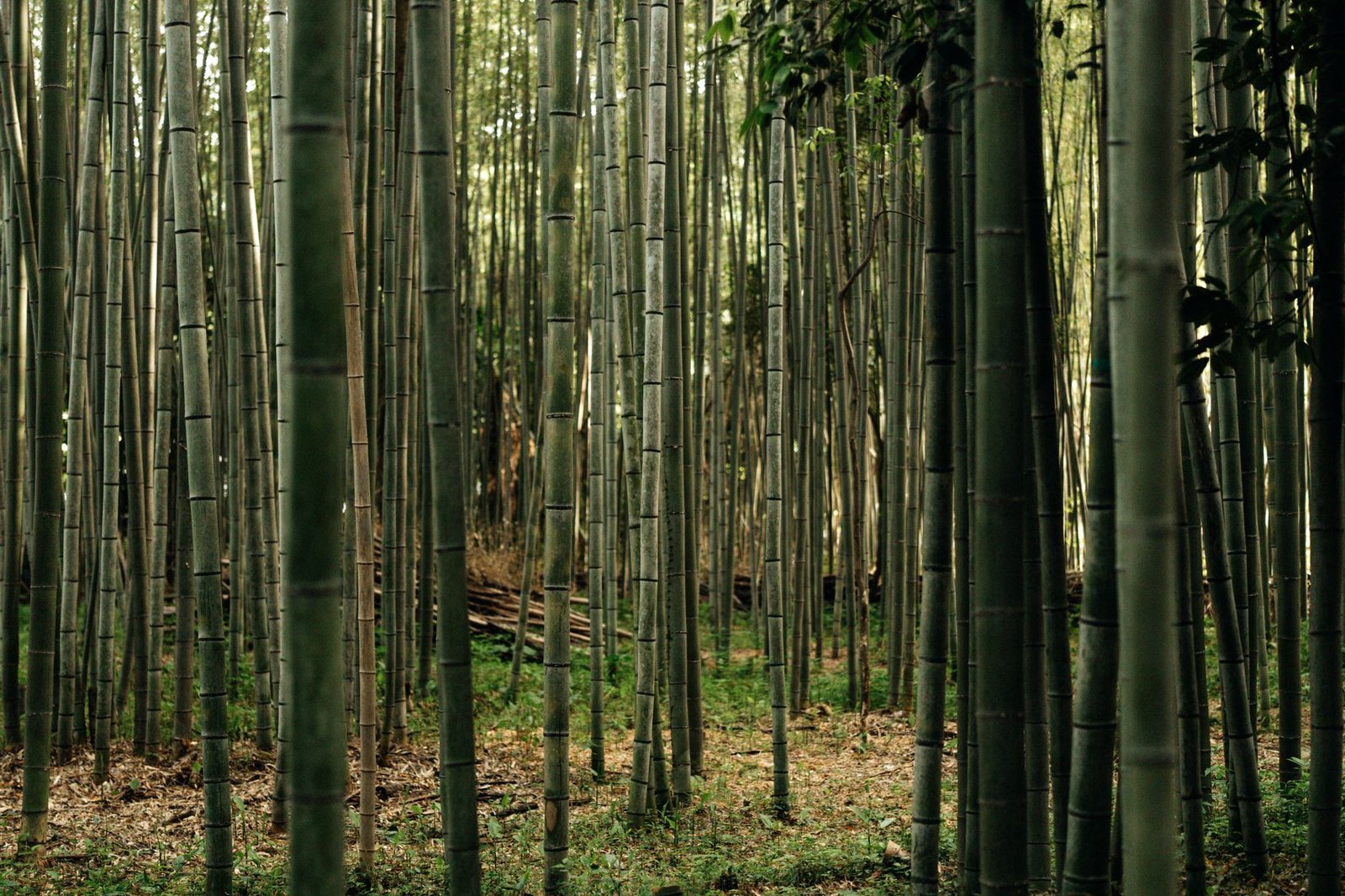
Bamboo flooring has long been celebrated as a rapidly renewable resource, offering an attractive alternative to traditional hardwoods. Grown in diverse regions globally, certain species of bamboo can mature within five years, making it an ecological champion. Modern processing techniques in 2026 have further enhanced bamboo’s attributes, addressing historical concerns related to moisture sensitivity and hardness consistency.
Lifespan and Structural Integrity
The structural value of bamboo flooring is impressive, often rivaling or exceeding that of many oak varieties, particularly in its strand-woven forms. Strand-woven bamboo planks are produced by compressing bamboo fibers with resin under extreme pressure, resulting in a material significantly harder and more dent-resistant. This process yields a durable floor with an expected lifespan of 20-25 years, or even longer with proper care and maintenance. Its dimensional stability, especially in engineered formats with multiple layers, contributes to its structural integrity, reducing the likelihood of warping or gapping under varying climatic conditions.
Aesthetic Appeal and Finishes
Aesthetically, bamboo presents a clean, contemporary look with a distinctive grain pattern. Available in a spectrum of finishes, from light natural tones to richer carbonized hues, it offers versatility for various interior schemes. The advent of advanced UV-cured acrylic and ceramic finishes in 2026 provides enhanced scratch resistance and durability, preserving its visual appeal over decades. Texturized and hand-scraped options are also gaining traction, offering a more rustic or artisanal feel that broadens its design application beyond purely modern contexts.
Reclaimed Timber: History Underfoot
Reclaimed timber flooring embodies a rich narrative, bringing unparalleled character and environmental stewardship into the home. Sourced from deconstructed barns, factories, and warehouses, these timbers bypass the need for new tree felling, significantly reducing deforestation and waste. The allure of reclaimed wood lies not only in its sustainability but also in its inherent history and the unique patina it develops over decades, sometimes centuries.
Enduring Strength and Stability
The structural value of reclaimed timber is often superior to newly milled wood. The old-growth trees from which these timbers were originally harvested grew slowly, producing denser, more stable wood with tighter grain patterns. This natural aging and exposure to fluctuating conditions over time also “stress-relieve” the wood, making it exceptionally resistant to warping, twisting, and cupping. Properly dried and milled reclaimed timber offers remarkable structural integrity and a lifespan that can extend for 50-100 years or more, making it a legacy material. Its density contributes significantly to sound dampening and thermal insulation.
Unique Character and Visual Depth
Aesthetically, reclaimed timber is unmatched. Each plank tells a story through its distinctive nail holes, saw marks, variations in color, and unique grain patterns. This creates a floor with profound visual depth and a sense of authenticity that new wood cannot replicate. From rustic wide planks perfect for farmhouse chic to refined, smooth finishes suited for minimalist or industrial designs, the versatility is immense. The 2026 market sees increased demand for mixed-species reclaimed floors and custom finishes that highlight the wood’s natural imperfections, celebrating its unique journey.
Eco-Friendly Stone Composites: The Engineered Solution
Eco-friendly stone composites represent the pinnacle of modern material science, offering a high-performance, sustainable alternative to traditional stone or ceramic tiles. These materials typically combine crushed recycled stone (e.g., marble, quartz, granite) with eco-binders, often derived from plant-based resins or low-VOC polymers. The manufacturing processes for 2026 composites are significantly more energy-efficient than quarrying and processing natural stone, further enhancing their green credentials.
Advanced Durability and Performance
The durability and structural value of eco-friendly stone composites are exceptional. Engineered for high traffic, these floors are remarkably scratch, stain, and impact-resistant. Many modern formulations are also fully waterproof, making them ideal for kitchens, bathrooms, and basements where moisture is a concern. Their uniform composition provides excellent dimensional stability, preventing the cracking or chipping that can sometimes affect natural stone. The lifespan of a well-installed stone composite floor can easily exceed 30-40 years, often maintaining its pristine appearance with minimal maintenance. These composites contribute to a solid subfloor system, offering excellent load-bearing capabilities.
Versatile Aesthetics and Modern Finishes
Aesthetically, stone composites offer unparalleled design flexibility. They can meticulously mimic the look of natural marble, granite, or slate, complete with realistic veining and texture, or present entirely unique patterns and solid colors. Digital printing technologies have reached new levels of realism by 2026, allowing for intricate designs and customized visuals. The availability of large-format tiles and seamless installation methods creates expansive, sophisticated surfaces that contribute to a luxurious and contemporary interior. Finishes range from polished and honed to textured and matte, catering to every aesthetic preference.
Comparative Analysis: Durability, Lifespan, and Structural Value
Longevity and Resilience
When comparing longevity, reclaimed timber often leads, with a potential lifespan of 50-100+ years, truly a generational investment. Bamboo, particularly strand-woven variants, offers robust durability over 20-25 years. Eco-friendly stone composites, engineered for resilience, typically provide 30-40+ years of high performance, often surpassing natural stone in resistance to specific types of wear and tear. All three materials, when properly installed and maintained, represent significant long-term value, reducing the need for frequent replacement and thus contributing to sustainability.
Load Bearing and Stability
- Bamboo: Good structural stability, especially in engineered forms. Strand-woven bamboo possesses a high Janka hardness rating, making it resistant to dents.
- Reclaimed Timber: Exceptional dimensional stability due to its age and density. Its inherent strength makes it an excellent choice for subfloor integration or as a load-bearing element in specific architectural designs.
- Eco-Friendly Stone Composites: Offers superior rigidity and impact resistance. Its uniform composition ensures consistent structural support across the entire floor surface, making it suitable for heavy use areas. Many formulations are impervious to water, mitigating structural damage from moisture.
2026 Trends and Innovations in Sustainable Flooring
The year 2026 showcases exciting advancements across sustainable flooring sectors:
Material Advancements
- Enhanced Bamboo: New hydrophobic coatings and bio-resin binders are making bamboo even more water-resistant and dimensionally stable, suitable for broader applications.
- Reclaimed Timber Technologies: Advanced milling and drying techniques ensure optimal stability and consistency for reclaimed planks. There is a growing trend for bespoke blends of different wood species, creating truly unique floor patterns.
- Smart Stone Composites: Integration of recycled glass and ceramic content is increasing, alongside bio-based resin systems that further reduce embodied carbon. Some premium composites are being designed with under-floor heating compatibility and even embedded sensor readiness for smart home systems.
Circular Economy Integration
A significant trend in 2026 is the explicit design for end-of-life recycling and reuse. Manufacturers are increasingly adopting ‘cradle-to-cradle’ principles, ensuring that sustainable flooring materials can be reclaimed, refurbished, or broken down for new products at the end of their functional lives. This holistic approach reinforces the long-term environmental benefits of these choices.
Making the Informed Choice
The selection of sustainable flooring is a pivotal decision that impacts a home’s aesthetic, functionality, and environmental footprint. Whether drawn to the rapid renewability of bamboo, the historical depth of reclaimed timber, or the engineered resilience of eco-friendly stone composites, each option presents distinct advantages.
The homeowner’s specific needs, including traffic levels, moisture exposure, desired aesthetic, and long-term budget considerations, will guide the optimal choice. Investing in these materials ensures a beautiful, durable foundation for any interior while actively contributing to a more sustainable future in 2026 and beyond. A thorough consultation with a design professional can help navigate these excellent options and align them with individual project requirements.