
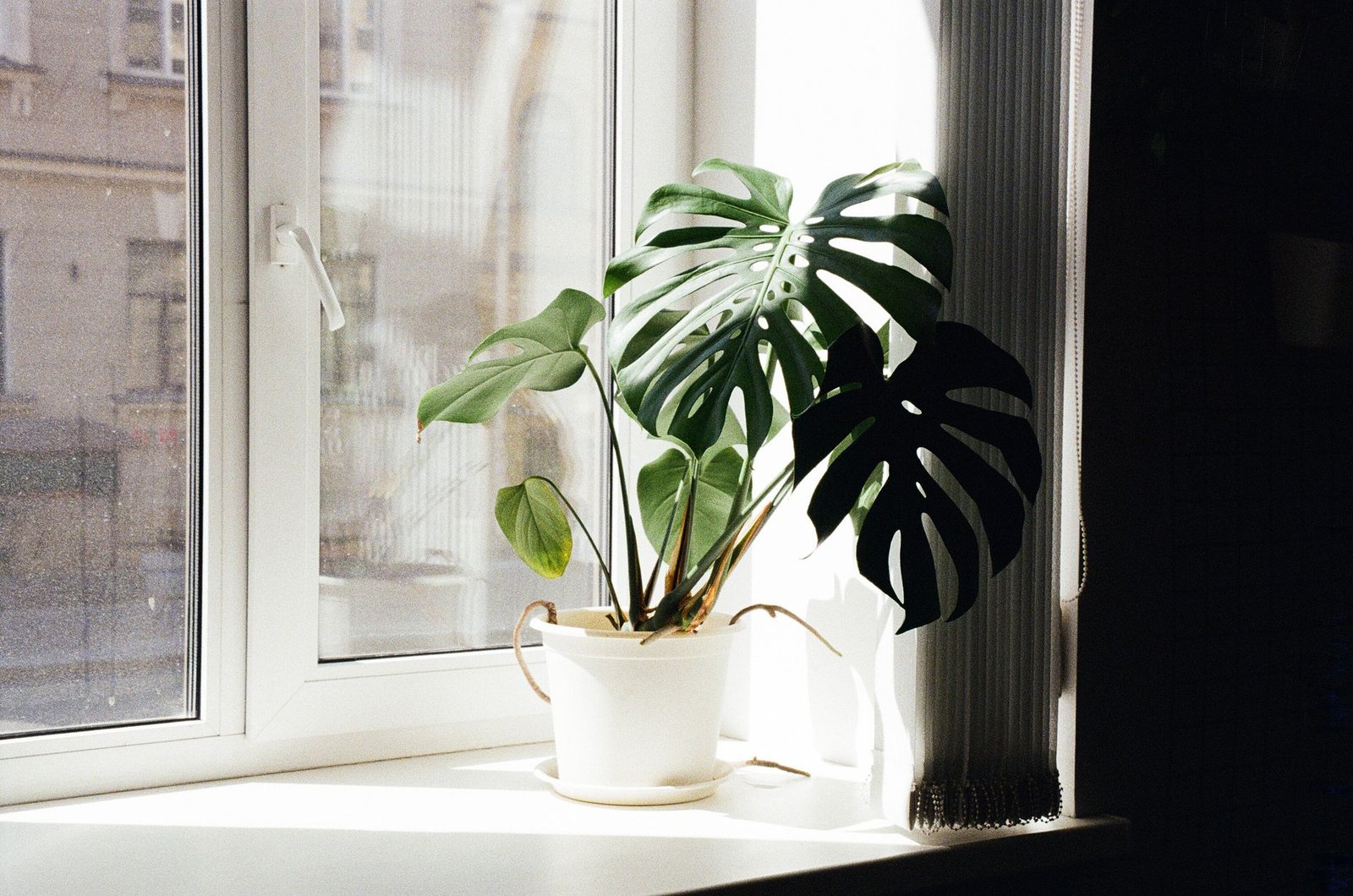
In 2026, the pursuit of optimal indoor air quality remains a critical aspect of home wellness. Scientific consensus, bolstered by recent advancements in environmental monitoring and botanical research, points to a few standout botanical allies for superior air purification. The top contenders for significantly enhancing indoor air quality in 2026 include the Snake Plant (Sansevieria trifasciata), the ZZ Plant (Zamioculcas zamiifolia), and the Peace Lily (Spathiphyllum), each offering unique benefits in filtering common indoor pollutants.
As modern living spaces evolve, incorporating advanced materials and smart technologies, the focus on foundational health elements like clean air becomes even more pronounced. Understanding which plants effectively combat volatile organic compounds (VOCs) and other airborne toxins is essential for creating truly healthy home environments.
Understanding Indoor Air Quality (IAQ) in 2026
Indoor air quality has transformed from a niche concern into a central pillar of residential design and health. In 2026, residents are more aware than ever of the invisible pollutants lurking within their homes, largely due to accessible smart home environmental sensors that provide real-time data on VOCs, particulate matter, and CO2 levels. These advancements highlight the persistent presence of toxins emitted from modern furnishings, cleaning products, and even building materials like advanced bioplastics or composite wood products now common in contemporary homes.
The role of plants in this ecosystem is not merely aesthetic; it is a scientifically validated biofiltration system. Research continues to refine understanding of plant phytoremediation capabilities, especially regarding specific VOCs such as formaldehyde, benzene, xylene, and trichloroethylene. The emphasis in 2026 is on integrating these natural purifiers intelligently into smart home ecosystems, sometimes even with automated watering and nutrient delivery systems, ensuring optimal plant health and purifying efficacy.
Top Air-Purifying Plants for 2026
Identifying the “best” plant involves considering ease of care, resilience, and proven efficacy. Here are the leading choices for 2026, combining robust air purification capabilities with adaptability to diverse indoor conditions.
The Snake Plant (Sansevieria trifasciata)
Renowned for its resilience and striking vertical foliage, the Snake Plant continues to be a champion for IAQ. This plant excels at removing formaldehyde, benzene, trichloroethylene, and xylene from the air. Its unique ability to perform photosynthesis and release oxygen at night makes it an ideal bedroom companion. In 2026, new varieties with enhanced drought resistance and varied leaf patterns are popular, often housed in self-watering planters made from recycled, sustainable materials that integrate seamlessly into minimalist interior designs. Maintenance for this plant is minimal, requiring infrequent watering and tolerating low light conditions, making it exceptionally user-friendly for any resident.
The ZZ Plant (Zamioculcas zamiifolia)
The ZZ Plant has surged in popularity, celebrated for its extreme hardiness and lush, waxy green leaves. While perhaps not as extensively studied for air purification as some others, emerging research in 2026 indicates its significant capacity for absorbing xylene, toluene, and benzene. Its extraordinary drought tolerance means it can thrive on neglect, making it perfect for busy homeowners or those new to plant care. This plant’s robust nature allows it to flourish in a wide range of light conditions, from low to bright indirect light. Modern planters often feature integrated sub-irrigation systems, further simplifying its care and maximizing its longevity.
Peace Lily (Spathiphyllum)
Beyond its elegant white blooms, the Peace Lily is a powerful air purifier, effectively tackling ammonia, benzene, formaldehyde, and trichloroethylene. It also helps in reducing mold spores by absorbing moisture from the air. The presence of a Peace Lily can signal its needs through drooping leaves, making its care relatively intuitive for the attentive resident. Optimal performance is achieved in medium to low light with consistently moist (but not waterlogged) soil. For 2026, advancements in biochar-enhanced potting mixes provide better aeration and nutrient retention, supporting healthier root systems and enhancing the plant’s overall purifying capacity.
Areca Palm (Dypsis lutescens)
The Areca Palm is a highly effective humidifier and filter of airborne toxins, particularly adept at removing formaldehyde and xylene. Its large fronds transpire significant amounts of water vapor, naturally increasing indoor humidity – a beneficial attribute in dry climates or homes with forced-air heating. While requiring more attention to watering and humidity than the Snake or ZZ Plant, its substantial air-cleaning capacity for larger spaces makes the effort worthwhile. Residents are increasingly opting for larger, mature specimens to maximize impact, often paired with smart humidity sensors that alert to the plant’s needs.
Spider Plant (Chlorophytum comosum)
A classic choice, the Spider Plant remains a top contender for its ease of care and efficiency in removing formaldehyde and xylene. Its characteristic “spiderettes” or plantlets make propagation simple, allowing residents to easily expand their collection or share with others. This plant is non-toxic, making it a safe choice for homes with pets or small children. Its adaptability to various light conditions and forgiving nature with watering schedules contribute to its enduring popularity. Hydroponic spider plant installations, requiring less maintenance and often integrated into vertical garden systems, are a notable trend in 2026.
Optimizing Plant Placement and Care for Maximum Impact
Maximizing the air-purifying benefits of indoor plants goes beyond simply selecting the right species. Strategic placement and consistent care are paramount.
- Strategic Grouping: Placing multiple plants together can create a localized “clean air zone,” intensifying their purification effect. Consider clusters near common pollutant sources like kitchens (cooking fumes) or home offices (off-gassing electronics/furnishings).
- Optimal Light Exposure: While many air-purifying plants tolerate low light, their efficiency often increases with adequate, indirect sunlight. Ensuring each plant receives its preferred light level promotes healthier growth and better pollutant absorption. Smart plant monitors, common in 2026, can track light, soil moisture, and nutrient levels, providing alerts to the homeowner via a connected app.
- Proper Watering: Overwatering is a common killer of indoor plants. It can lead to root rot and diminish the plant’s ability to purify air. Utilizing self-watering planters or moisture meters, particularly those made from sustainable bioplastics or ceramic composites, can help maintain ideal soil moisture levels.
- Regular Cleaning: Dust can accumulate on plant leaves, hindering photosynthesis and reducing their ability to absorb airborne toxins. Wiping leaves gently with a damp cloth every few weeks ensures optimal performance.
- Appropriate Potting Mix: In 2026, advanced potting mixes incorporate ingredients like coco coir, perlite, and slow-release organic fertilizers, designed to provide superior drainage, aeration, and sustained nutrient delivery, promoting robust plant health and enhanced biofiltration.
Future Trends and Sustainable Living with Plants
Looking ahead, the integration of plants into home environments will become even more sophisticated. Expect to see further advancements in bio-integrated living walls that actively circulate air through plant roots for advanced filtration. Automated plant care systems, capable of adjusting light, water, and nutrient delivery based on environmental sensors and plant specific needs, will become more commonplace, making plant parenthood accessible to even the busiest individual.
The emphasis on sustainable living continues to drive innovation in plant care, from recycled and biodegradable planters to organic, locally sourced soil amendments. Air-purifying plants are not just decorative elements; they are vital components of a holistic approach to home wellness and environmental responsibility. By carefully selecting and nurturing these botanical allies, the resident can significantly contribute to a healthier, more comfortable living space in 2026 and beyond.