
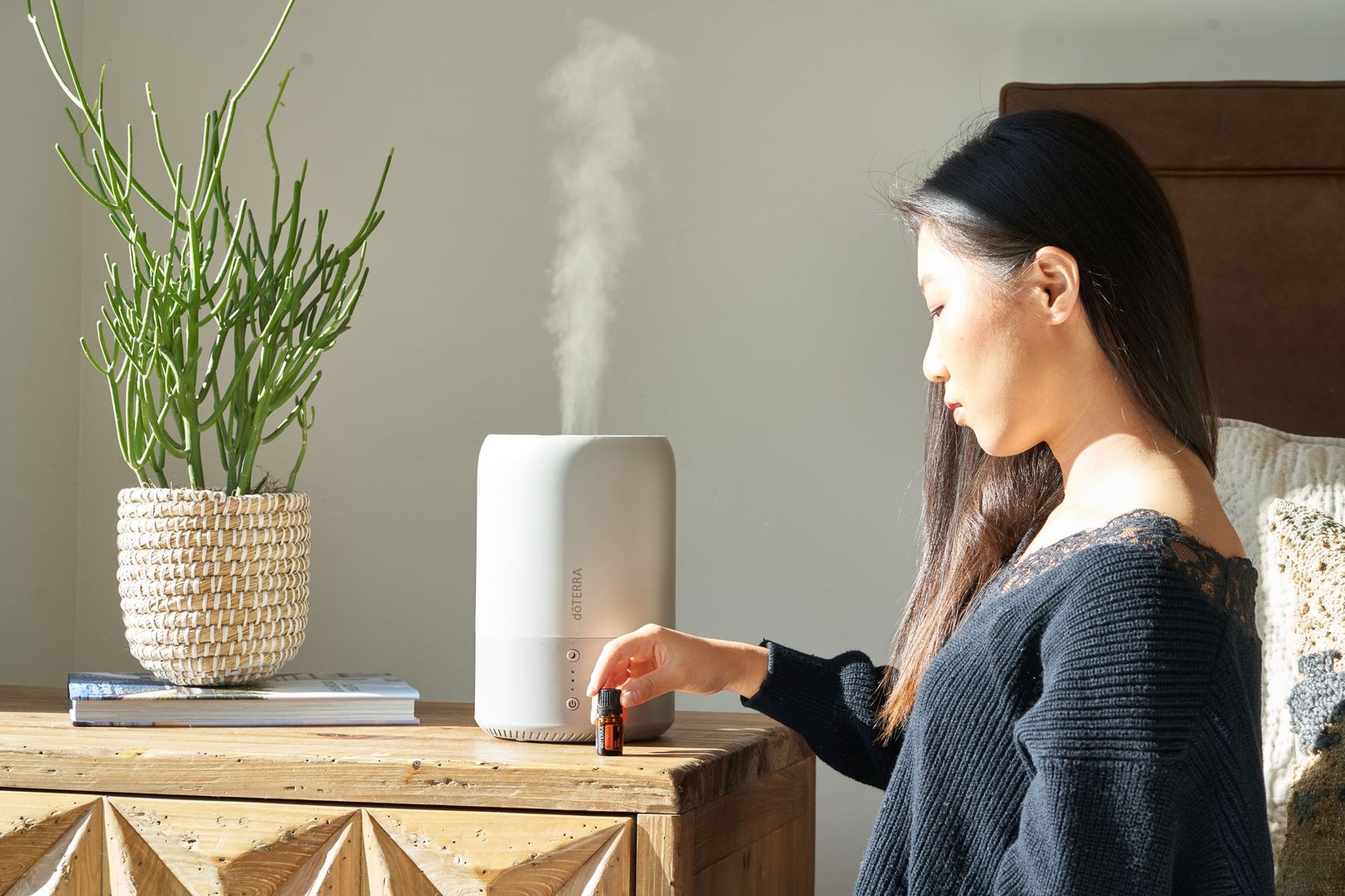
The quest for optimal indoor air quality and comfort continues to evolve, with humidity management playing a pivotal role. As 2026 unfolds, homeowners evaluating their options for maintaining ideal indoor humidity levels often face a critical decision: investing in a whole-house humidifier or opting for the versatility of portable units. The ‘better’ choice is not universal; rather, it hinges on specific residential needs, budget considerations, and desired convenience, with both systems offering distinct advantages and incorporating modern technological advancements.
Understanding Whole-House Humidifiers in 2026
Whole-house humidifiers, integrated directly into a dwelling’s HVAC system, represent a comprehensive approach to humidity control. These systems work in conjunction with the furnace or air handler to distribute humidified air uniformly throughout the entire property, ensuring consistent moisture levels in every room. For 2026, these units have advanced significantly, leveraging smart home ecosystems and improved energy efficiency.
Integration and Technology
Modern whole-house humidifiers for 2026 feature sophisticated integration capabilities. Many models now seamlessly connect with smart home platforms, utilizing protocols like Matter for unified control. This allows for precise humidity calibration via smartphone applications or voice commands, often coupled with predictive analytics that adjust output based on outdoor weather patterns and indoor air quality sensors. Advanced evaporative and bypass designs dominate, minimizing mineral dust and ensuring cleaner moisture delivery. Furthermore, new material developments include antimicrobial components within the water reservoir and distribution panels, significantly reducing the risk of mold and bacterial growth, a common concern in previous generations of humidifiers.
Cost and Efficiency
While the initial investment for a whole-house system is typically higher than for portable units, encompassing both the equipment and professional installation, the long-term operational efficiency can present significant value. These systems are designed to humidify large areas with a single, controlled source, often consuming less energy per cubic foot of treated air compared to running multiple portable units. 2026 models frequently boast enhanced energy recovery ventilators (ERVs) and more efficient fan-powered mechanisms, leading to reduced utility costs. The centralized control prevents over-humidification in certain zones while neglecting others, ensuring optimal energy use across the entire home.
Maintenance Considerations
Maintenance for whole-house humidifiers, while less frequent than for portables, requires a different approach. It primarily involves seasonal filter or water panel replacement, typically once or twice a year, alongside periodic cleaning of the water tray and distribution lines. 2026 advancements include self-diagnostic features that alert the homeowner or HVAC technician to maintenance needs, and some units incorporate automated flushing cycles to prevent mineral buildup. Professional annual servicing is recommended to ensure optimal performance and longevity, which can be a factor for homeowners preferring minimal hands-on involvement.
Exploring Portable Humidifiers in 2026
Portable humidifiers offer flexibility and localized humidity control, making them a popular choice for targeted applications or smaller spaces. These standalone units have also seen considerable innovation, particularly in design, efficiency, and smart features relevant to 2026’s tech-savvy resident.
Flexibility and Accessibility
The primary advantage of portable humidifiers is their mobility. A resident can easily move a unit between rooms, targeting specific areas where increased humidity is desired, such as a bedroom at night or a home office during the day. This makes them ideal for renters, individuals with varying humidity needs across different spaces, or for supplementing humidity in homes with otherwise adequate whole-house systems. The ease of setup – typically just filling the tank and plugging it in – contributes to their widespread accessibility.
Cost and Practicality
Portable humidifiers generally come with a lower upfront cost, offering an accessible entry point for managing indoor humidity. The market provides a vast range of sizes and capacities, from small personal units to larger room-specific models. While individual units consume less power than a whole-house system, running multiple portable units across a larger dwelling can cumulatively increase energy consumption. Modern 2026 portable humidifiers prioritize energy efficiency, with many ultrasonic models consuming minimal power and offering intelligent shut-off features when desired humidity levels are met or the water tank is empty.
Modern Features and Materials
Innovations in portable humidifiers for 2026 are significant. Many now feature integrated smart sensors for automatic humidity adjustment, Wi-Fi connectivity for app control and scheduling, and even voice assistant compatibility. Ultrasonic technology has made these units remarkably quiet, suitable for bedrooms and nurseries. Material science has contributed improved antimicrobial plastics and coatings for water tanks, dramatically reducing the potential for mold and bacterial growth between cleanings. Furthermore, UV-C sterilization features are becoming standard in higher-end models, purifying the water before misting. Some units also double as essential oil diffusers, blending wellness with practical humidification.
Side-by-Side Comparison: Key Factors
Understanding the nuances between whole-house and portable humidifiers requires a direct comparison of their core attributes in the context of 2026 home living.
Coverage and Capacity
- Whole-House: Designed for comprehensive, uniform humidification across an entire property, regardless of square footage. Ideal for maintaining consistent indoor air quality throughout a large or multi-level home.
- Portable: Offers localized humidification, effective for single rooms or specific zones. Multiple units would be required to achieve similar whole-house coverage, potentially leading to inconsistent humidity levels between spaces.
Energy Consumption
- Whole-House: While consuming more power in total due to continuous operation, the efficiency per cubic foot humidified is often superior. 2026 models with advanced controls and integration with smart thermostats optimize run times, contributing to overall energy savings.
- Portable: Individual units consume less power, making them energy-efficient for targeted use. However, running several portables can accumulate higher energy costs than a single whole-house system, especially if not managed efficiently with smart timers or integrated humidistats.
Installation and Upkeep
- Whole-House: Requires professional installation into the HVAC system, which adds to the initial cost. Maintenance typically involves less frequent but more involved tasks such as filter changes and professional checks, often coinciding with furnace maintenance.
- Portable: Plug-and-play installation; no professional help is needed. Routine maintenance is more frequent, involving daily or weekly refilling of water tanks and regular cleaning to prevent mineral buildup and microbial growth, though modern antimicrobial materials reduce this burden.
Advanced Features and Trends
- Whole-House: Focuses on seamless integration into a smart home ecosystem, offering centralized control, predictive analytics, and often pairing with indoor air quality monitors (PM2.5, VOCs). Remote diagnostics and automated service alerts are also emerging trends.
- Portable: Emphasizes user convenience with app control, voice assistant integration, quiet operation (ultrasonic models), integrated UV-C sterilization, and often features like aromatherapy diffusion. Cordless, battery-powered options for ultimate portability are gaining traction in 2026.
Making the Optimal Choice for 2026
The decision between a whole-house and a portable humidifier in 2026 ultimately rests on the individual homeowner’s specific circumstances and priorities.
For residents seeking a ‘set-it-and-forget-it’ solution that delivers consistent, uniform humidity throughout their entire dwelling, especially in larger homes or those with existing forced-air HVAC systems, a whole-house humidifier is often the superior choice. Its integration with smart home technology, long-term operational efficiency, and reduced hands-on maintenance make it a compelling investment for comprehensive comfort.
Conversely, for individuals residing in smaller apartments, those who prioritize flexibility and mobility, or homeowners with budget constraints for initial outlay, portable humidifiers offer an excellent and increasingly feature-rich alternative. They allow for targeted humidification in specific problem areas and can be easily moved or stored as needed. The advancements in antimicrobial materials and smart features have significantly enhanced their appeal and effectiveness.
Conclusion
In 2026, both whole-house and portable humidifiers have evolved to offer sophisticated solutions for indoor humidity control. The optimal selection requires a careful assessment of a dwelling’s size, the desired level of humidity consistency, initial budget versus long-term operational costs, and the homeowner’s preference for installation and maintenance involvement. By evaluating these factors against the backdrop of modern technological advancements and material innovations, residents can confidently choose the humidification system that best aligns with their pursuit of enhanced domestic comfort and wellness.