
When deer transform meticulously cultivated landscapes into an unwelcome buffet, frustration often mounts. For residents experiencing this persistent challenge, selecting plants naturally unappealing to deer offers an effective and sustainable solution. This article provides an expert guide to nine naturally deer-resistant plants, offering practical insights and aligning with 2026 landscaping trends to help homeowners cultivate beautiful, thriving outdoor spaces free from wildlife damage.
Understanding Deer Habits and Horticultural Solutions
Deer are opportunistic foragers, driven by hunger and available resources. Their dietary preferences are significantly influenced by a plant’s scent, texture, and taste. Plants possessing strong aromas, fuzzy or thorny textures, or those containing bitter or toxic compounds are frequently bypassed in favor of more palatable options. Modern horticultural research in 2026 continues to focus on breeding new plant varieties with enhanced natural resilience, reducing the need for chemical deterrents. Simultaneously, smart garden technology offers passive monitoring capabilities, allowing residents to observe deer patterns without direct intervention, thereby informing strategic plant placement.
Deer Deterrence: Beyond Plant Selection
While intelligent plant choice is paramount, a multi-faceted approach often yields the most effective results. The landscape industry in 2026 is seeing increased adoption of advanced, aesthetically pleasing physical barriers, including nearly invisible netting materials developed for urban landscapes, which integrate seamlessly into garden designs. Furthermore, motion-activated sonic deterrents, now frequently solar-powered and designed to blend with garden aesthetics, provide non-lethal, humane options for managing wildlife interactions. Embracing sustainable landscaping practices, particularly prioritizing native species that thrive in local conditions, naturally reduces plant stress and can indirectly make the area less appealing to deer seeking easy forage.
Top 9 Naturally Deer-Resistant Plants for 2026 Gardens
Implementing these selections can significantly reduce foraging pressure. These plants possess inherent characteristics that make them less palatable or appealing to deer, offering a sustainable defense for the homeowner’s outdoor space.
-
Lavender (Lavandula spp.)
Why deer avoid it: Its strong, aromatic scent is generally unappealing to deer. Lavender’s slightly coarse texture also contributes to its low palatability. New hybrid varieties for 2026 offer enhanced cold hardiness and extended bloom times, making them suitable for a broader range of climates. Growing conditions: Thrives in full sun and well-drained soil. Drought-tolerant once established. Ideal for borders, rock gardens, and herb gardens. Its aesthetic appeal and calming fragrance make it a popular choice for sensory gardens and outdoor living spaces, aligning with 2026 trends towards multi-functional landscapes.
-
Coneflower (Echinacea purpurea)
Why deer avoid it: The plants’ rough, hairy stems and leaves, combined with a somewhat bitter taste, deter deer. Echinacea is a robust perennial, celebrated for its medicinal properties and striking daisy-like flowers. Breeders in 2026 are introducing cultivars with novel bloom colors and compact forms, expanding its use in containers and smaller garden designs. Growing conditions: Prefers full sun to partial shade and well-drained soil. Highly drought-tolerant once established. Attracts pollinators, supporting biodiversity goals for modern landscapes.
-
Bleeding Heart (Dicentra spectabilis)
Why deer avoid it: Contains alkaloids that are toxic to deer, making it an unpalatable choice. This shade-loving perennial offers unique heart-shaped flowers in spring. 2026 sees continued interest in native cultivars and those with variegated foliage, adding visual interest even when not in bloom. Growing conditions: Thrives in partial to full shade and moist, well-drained soil. Excellent for woodland gardens, shaded borders, and naturalized areas. Its early spring display is a welcome sight after winter.
-
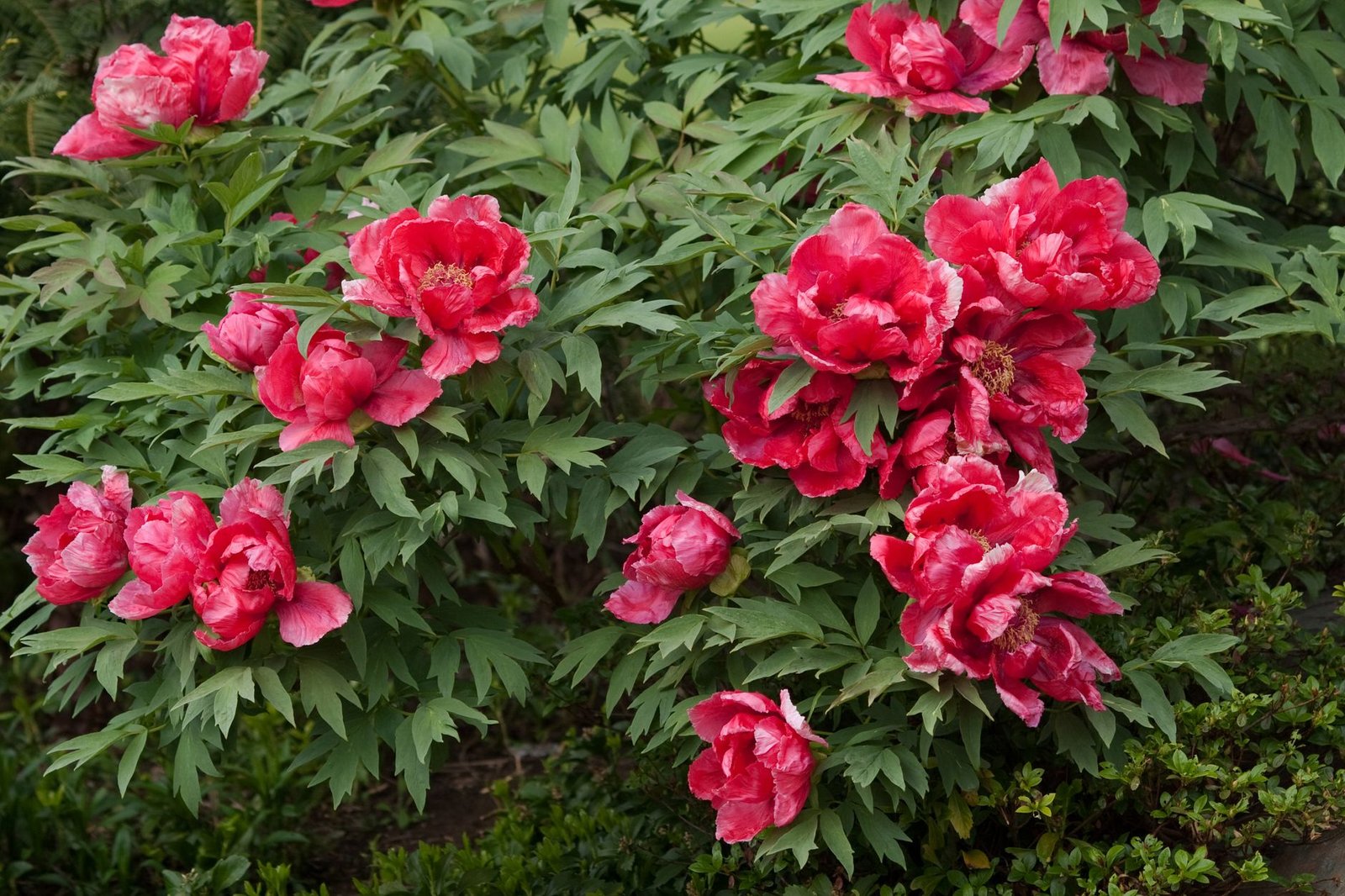
Peony (Paeonia lactiflora)
Why deer avoid it: Deer generally find peonies unappetizing due to their strong scent and somewhat bitter taste. These classic, long-lived perennials produce large, fragrant blooms that are a staple in cottage and formal gardens. Sustainable gardening practices in 2026 emphasize planting long-lived, low-maintenance species like peonies to reduce resource input. Growing conditions: Requires full sun and well-drained soil. Once established, they are incredibly durable and require minimal care. Their robust nature and spectacular flowers ensure their continued popularity.
-
Daffodil (Narcissus spp.)
Why deer avoid it: All parts of daffodils contain toxic alkaloids, making them highly unpalatable and potentially harmful to deer. As one of the earliest spring bloomers, daffodils offer vibrant color when little else is in flower. New varieties for 2026 focus on unique bloom forms and extended flowering periods, enhancing their seasonal impact. Growing conditions: Plant in full sun to partial shade in well-drained soil. They naturalize easily, providing years of deer-resistant spring beauty. An excellent choice for mass plantings and under deciduous trees.
-
Boxwood (Buxus sempervirens)
Why deer avoid it: Boxwood possesses a distinct, somewhat bitter scent and taste that deer typically dislike. Its dense, evergreen foliage makes it a popular choice for formal hedges, topiary, and foundational plantings. Advances in disease-resistant cultivars in 2026 have revitalized its use in landscapes, addressing past concerns about blight. Growing conditions: Prefers partial shade but tolerates full sun if kept adequately watered. Needs well-drained soil. Adaptable and hardy, providing year-round structure to the garden.
-
Hellebore (Helleborus spp.)
Why deer avoid it: Hellebores contain toxic glycosides, rendering them unappetizing to deer. These winter and early spring bloomers provide much-needed color during colder months, when other plants are dormant. 2026 sees an increase in demand for ‘evergreen’ varieties and those with striking speckled or double flowers. Growing conditions: Thrives in partial to full shade and rich, well-drained soil. A perfect choice for woodland gardens, under trees, or in shaded borders. Their resilience and early bloom time make them invaluable.
-
Russian Sage (Perovskia atriplicifolia)
Why deer avoid it: Its strong, aromatic, slightly pungent scent and silvery, textured foliage are generally unappealing to deer. This drought-tolerant perennial features airy spikes of lavender-blue flowers. It aligns with 2026 trends for low-water, low-maintenance landscapes. Growing conditions: Requires full sun and excellent drainage. Tolerant of heat, drought, and poor soil conditions. Ideal for hot, sunny borders, xeriscaping, and mass plantings where a long season of color is desired.
-
Lamb’s Ear (Stachys byzantina)
Why deer avoid it: The characteristic soft, fuzzy, silver-gray foliage is unappealing to deer. This tactile texture acts as a natural deterrent. Lamb’s Ear is a groundcover favorite, offering unique visual and textural contrast. Modern landscape design in 2026 often incorporates diverse textures for sensory gardens. Growing conditions: Prefers full sun to partial shade and well-drained soil. Extremely drought-tolerant and low-maintenance. Excellent for borders, rock gardens, and as a soft edging plant, providing year-round interest.
Integrated Landscape Strategies for Deer-Resilient Gardens
Strategic Placement and Companion Planting
Beyond individual plant choices, thoughtful garden layout significantly impacts deer activity. Placing highly unpalatable plants as a border around more vulnerable species can create a natural defense perimeter. The concept of “layered planting,” where taller, deer-resistant shrubs or ornamental grasses form a protective screen behind smaller, potentially more appealing perennials, is a key strategy. For 2026, designers are also leveraging advanced digital mapping tools to simulate deer pathways and identify vulnerable zones, allowing for proactive plant placement and barrier implementation. This data-driven approach enhances the efficacy of natural deterrence.
Embracing Sustainable and Smart Solutions
Modern landscape architecture embraces sustainability, reducing reliance on chemical deterrents. Integrating smart irrigation systems that optimize water usage based on weather data and soil moisture levels also promotes healthier, more resilient plants which are less stressed and potentially less attractive to deer. Furthermore, the development of biodegradable, plant-based repellents, derived from natural compounds unappealing to deer, offers an eco-friendly option for temporary or supplemental protection. These advancements reflect a growing commitment to harmonious coexistence with wildlife while maintaining vibrant outdoor spaces.
Conclusion: Cultivating Beauty and Resilience
Creating a deer-resilient garden for 2026 involves a combination of informed plant selection and strategic design. By opting for naturally unappealing species and employing intelligent landscape planning, residents can cultivate beautiful, thriving outdoor spaces that deter unwanted browsing. This approach minimizes frustration and maximizes the enjoyment of the resident’s home environment, fostering a balanced relationship with the natural world.