In the landscape of modern horticulture, optimizing water usage is paramount, a necessity driven by environmental stewardship and rising utility costs. When considering Drip Irrigation versus Soaker Hoses for water-wise gardening in 2026, the answer to which is ‘best’ is not universally singular; rather, it hinges on specific garden layouts, plant types, and the homeowner’s operational preferences. Both systems offer distinct advantages for conserving water, yet their effectiveness, cost, installation complexity, and overall efficiency diverge significantly, necessitating a detailed comparison for informed decision-making.
Precision Hydration: Drip Irrigation Systems in 2026
Drip irrigation systems, often hailed for their surgical precision in water delivery, continue to evolve as a sophisticated solution for targeted plant hydration. By delivering water directly to the plant’s root zone, these systems dramatically minimize evaporation and runoff, making them exceptionally efficient for water conservation.
Efficiency and Modern Innovations
In 2026, the efficiency of drip systems is further enhanced by widespread integration with smart home ecosystems and AI-driven irrigation controllers. These advanced controllers leverage localized weather data, soil moisture sensors, and plant-specific requirements to optimize watering schedules, ensuring plants receive precisely what they need, exactly when they need it. Emitter technology has also seen advancements, with self-cleaning, pressure-compensating micro-emitters crafted from durable, UV-stabilized recycled polymers that resist clogging and maintain consistent flow rates even across varied terrain.
Cost Considerations
The initial investment for a comprehensive drip irrigation system tends to be higher than for soaker hoses. This cost encompasses the controller, main lines, smaller drip lines, emitters, connectors, and potentially professional design and installation. However, the long-term operational savings on water consumption can be substantial, often offsetting the upfront expenditure over several seasons. Emerging trends in 2026 include modular, expandable kits designed for easier DIY installation, reducing labor costs.
Installation and Maintenance
Installing a drip irrigation system requires more planning and a greater number of components compared to soaker hoses. It involves laying out main lines, cutting and connecting drip tubing, and strategically placing emitters near individual plants. While more involved initially, once installed, a properly designed drip system demands minimal daily intervention, particularly when paired with smart automation. Maintenance typically involves periodic flushing of lines, checking for clogs or leaks, and winterization in colder climates. New materials for tubing are also exhibiting enhanced flexibility and durability, simplifying installation and reducing replacement frequency.
Effectiveness for Plant Health
Drip irrigation’s consistent, slow delivery of water promotes deeper root growth, making plants more resilient to drought. It keeps foliage dry, which significantly reduces the incidence of fungal diseases. Furthermore, these systems are highly effective for delivering soluble fertilizers directly to the root zone, a practice known as fertigation, enhancing nutrient uptake and overall plant vitality.
Simplicity and Saturation: Soaker Hoses in 2026
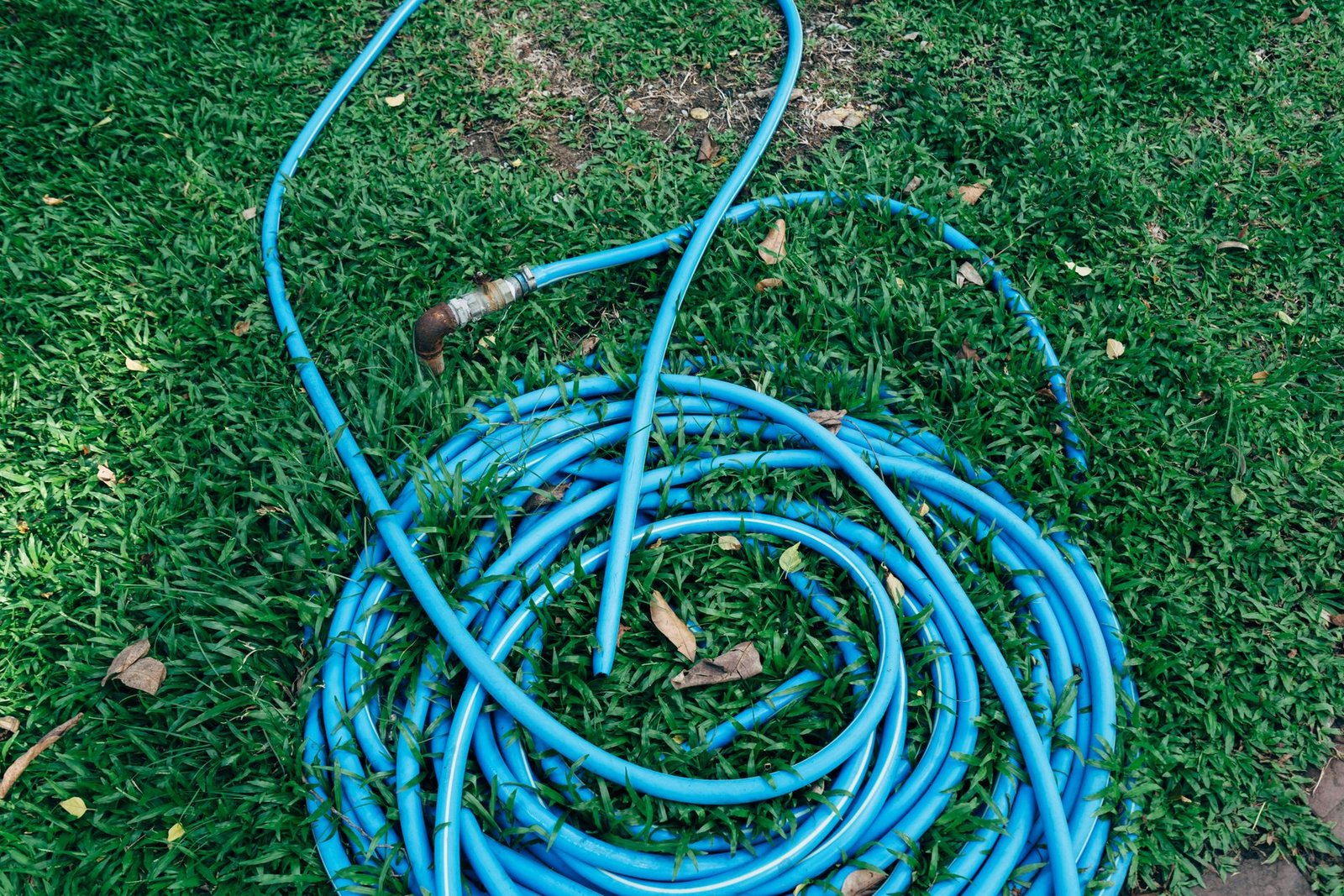
Soaker hoses offer a more straightforward, accessible approach to ground-level watering. These porous hoses weep water along their entire length, providing a broad band of moisture directly into the soil.
Efficiency and Material Developments
Soaker hoses are efficient at delivering water directly to the soil surface, minimizing evaporation that occurs with overhead sprinklers. While generally less precise than drip irrigation, advancements in 2026 have led to soaker hoses made from more uniformly porous recycled rubber or composite materials, ensuring a more consistent weeping action along the hose’s entire length. Some newer models incorporate internal pressure regulators to prevent uneven water distribution, a common issue in older designs. They are particularly effective for densely planted beds or vegetable rows where individual plant targeting is less critical.
Cost Considerations
One of the primary advantages of soaker hoses is their affordability. The initial purchase price is considerably lower than that of drip irrigation components, making them an attractive option for homeowners on a tighter budget or those looking for a quick, temporary solution. Their simplicity translates to fewer components and no need for complex controllers, further reducing costs.
Installation and Maintenance
Installation of soaker hoses is remarkably simple: connect to a water source, lay the hose where water is needed, and turn on the spigot. Their flexibility allows for easy placement around established plants or along garden rows. While installation is minimal, soaker hoses often require more manual oversight during operation to ensure even saturation and to reposition them as needed for optimal coverage. Maintenance is generally limited to checking for kinks, patching leaks, and proper storage during off-seasons. Newer, more robust materials are also showing greater resistance to UV degradation and kinking, extending their lifespan.
Effectiveness for Plant Health
Soaker hoses effectively saturate the soil, encouraging robust root development. By keeping water off plant leaves, they also aid in disease prevention. They are particularly well-suited for long, narrow garden beds, raised garden beds, and foundation plantings where broad, consistent moisture is beneficial. However, on sloped terrain, surface runoff can be an issue if not carefully managed or if water is applied too quickly.
Key Comparison Points for Water-Wise Gardening in 2026
Choosing between drip irrigation and soaker hoses ultimately depends on a careful evaluation of several factors:
- Water Conservation: Drip irrigation generally offers superior water conservation due to its highly targeted delivery and minimal waste. With smart controllers, its efficiency is unmatched. Soaker hoses are good, but can be less precise, especially in varied soil types or slopes.
- Initial Cost: Soaker hoses require a significantly lower initial investment, making them accessible. Drip systems have a higher upfront cost but often lead to greater long-term savings through reduced water bills.
- Installation Complexity: Soaker hoses are incredibly simple to install. Drip irrigation systems require more planning and assembly, although modular kits are simplifying this process for the modern homeowner.
- Automation & Technology: Drip irrigation systems excel in smart automation, integrating seamlessly with advanced controllers, soil sensors, and even weather prediction algorithms for optimal performance in 2026. Soaker hoses can be paired with basic timers but lack the granular control of advanced drip systems.
- Maintenance & Durability: Both systems require some maintenance. Drip systems, once correctly installed, often demand less hands-on daily management. Modern materials in both systems, particularly advanced polymers for drip and improved recycled composites for soaker hoses, contribute to enhanced durability and longevity.
- Suitability for Garden Types: Drip irrigation is highly adaptable for diverse planting schemes, individual shrubs, trees, and container gardens. Soaker hoses are ideal for dense plantings, vegetable rows, and large, contiguous garden beds.
Making the Informed Choice for the Resident’s Landscape
For the resident aiming for the absolute pinnacle of water conservation, automated control, and plant health optimization across varied landscape elements, a modern drip irrigation system with smart controller integration is likely the superior choice in 2026. Its ability to customize watering for individual plant needs and adapt to environmental conditions provides unparalleled efficiency and peace of mind.
Conversely, for the homeowner seeking an economical, easy-to-install solution for uniform watering in specific areas like dense vegetable gardens or established shrub borders, soaker hoses remain an excellent and effective option. Their simplicity is a significant advantage, particularly for those who prefer a less technically involved gardening approach or have budget constraints.
It is also worth considering a hybrid approach. A resident might utilize drip irrigation for sensitive plants, shrubs, and containers, while deploying soaker hoses for larger, less demanding areas or annual vegetable patches. This integrated strategy can leverage the strengths of both systems, creating a truly optimized and water-wise garden.
Ultimately, the