
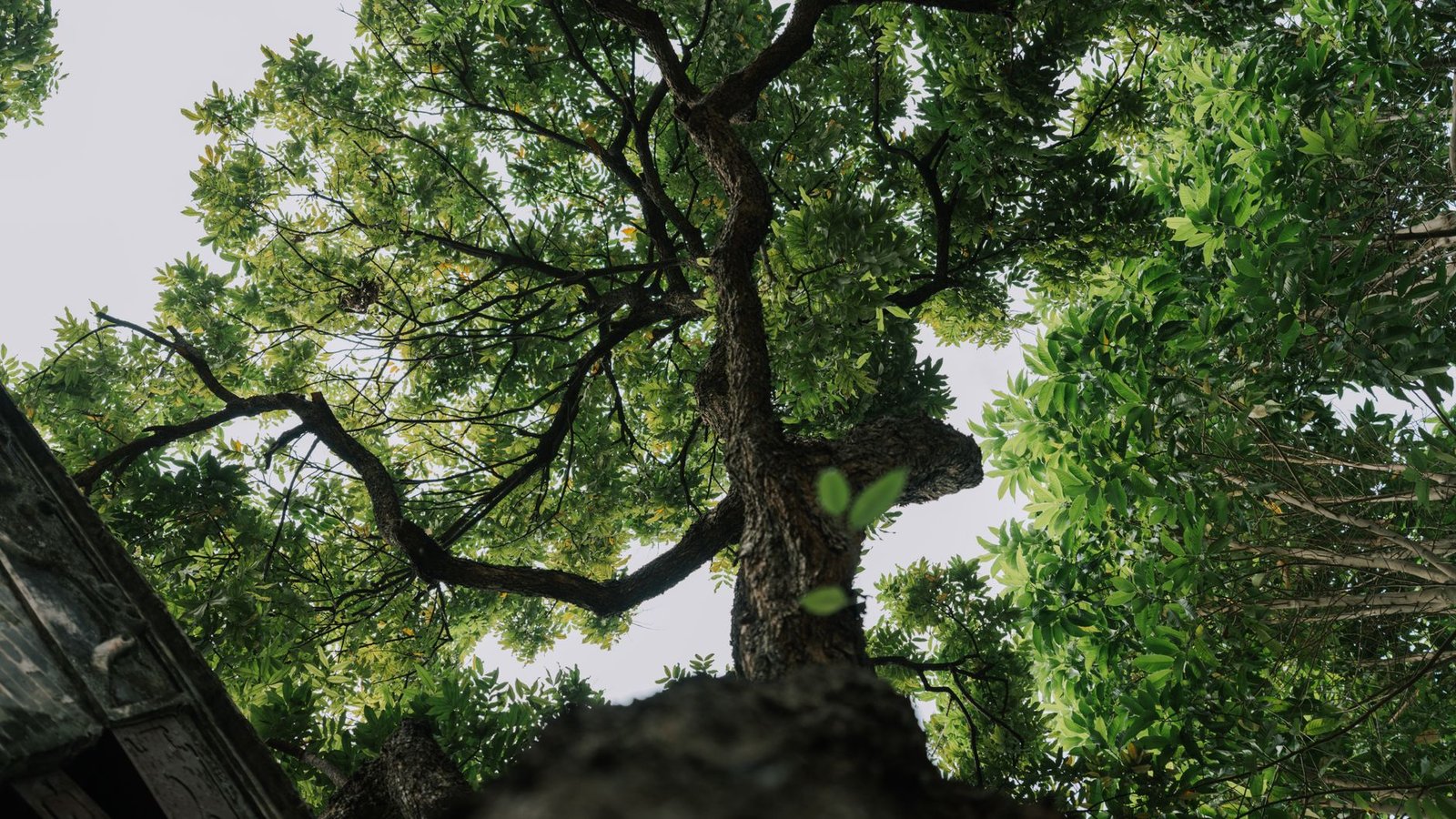
For homeowners observing stunted growth or a lack of vibrancy in their garden trees, a range of natural, actionable methods can significantly enhance their health and vigor. Addressing core issues such as soil quality, watering practices, and pest management through organic approaches is key to revitalizing woody plants, ensuring robust growth and long-term vitality in the current year, 2026.
Understanding Tree Health Challenges in 2026
The health of a tree is a complex interplay of environmental factors, genetics, and care practices. In 2026, residents are increasingly aware of the impact of climate shifts, altered precipitation patterns, and evolving pest pressures on landscape trees. Common challenges include nutrient deficiencies from depleted soil, stress from improper watering, and damage from opportunistic pests or diseases. Modern landscaping trends lean heavily towards sustainable solutions, integrating smart technology with time-tested ecological principles to foster resilient arboreal ecosystems.
The Basis for Robust Tree Growth
A tree’s foundation lies beneath the surface. Healthy root systems thrive in well-aerated, nutrient-rich soil that retains moisture without becoming waterlogged. Above ground, adequate sunlight, appropriate pruning, and protection from environmental stressors contribute to vigorous canopy development. The emphasis in 2026 is on preventative, holistic care that supports the tree’s natural defense mechanisms rather than relying solely on reactive treatments.
5 Natural Ways to Boost Tree Health and Vigor
Implementing a comprehensive strategy rooted in natural principles can transform struggling trees into thriving specimens. The following methods offer homeowners effective pathways to cultivating stronger, healthier trees.
1. Optimal Soil Health Through Strategic Amendment
Poor soil is a primary culprit behind lackluster tree growth. Enhancing soil structure and nutrient content naturally is paramount. Incorporating generous amounts of organic matter such as high-quality compost, aged animal manure, or leaf mold significantly improves soil aeration, water retention, and microbial activity. In 2026, the use of biochar, a stable form of carbon produced from biomass, is gaining traction for its long-term benefits in improving soil structure, nutrient retention, and supporting beneficial soil microbes, particularly in degraded soils.
- Soil Testing: Before amending, a professional soil test provides invaluable insights into existing nutrient levels and pH. This allows for targeted, natural amendments, avoiding guesswork and ensuring optimal conditions.
- Mycorrhizal Fungi Inoculants: These beneficial fungi form symbiotic relationships with tree roots, significantly enhancing their ability to absorb water and nutrients. Applying specific inoculants, often available in granular or liquid forms, can dramatically boost a young or struggling tree’s root network.
- Root Zone Aeration: For compacted soils, gentle aeration techniques, such as using an air spade or deep root fertilization probe, can improve oxygen availability to roots, crucial for nutrient uptake and overall tree vigor.
2. Precision Watering Strategies for Deep Hydration
Over- or under-watering can be equally detrimental. Trees require deep, infrequent watering to encourage extensive root growth. Surface sprinkling encourages shallow roots, making trees more susceptible to drought stress.
- Drip Irrigation and Soaker Hoses: These systems deliver water slowly and directly to the root zone, minimizing evaporation and runoff. Many 2026 models feature smart controllers that integrate with local weather data, optimizing watering schedules for peak efficiency and conservation.
- Mulching: A 2-4 inch layer of organic mulch (e.g., wood chips, shredded bark) around the base of the tree (keeping it a few inches away from the trunk) helps retain soil moisture, regulate soil temperature, and suppress weeds. Modern, sustainably sourced mulches are preferred.
- Moisture Monitoring: The integration of smart soil sensors into landscape design is a 2026 trend. These devices provide real-time data on soil moisture levels, allowing for precise watering that meets the tree’s exact needs, preventing both drought and waterlogging.
3. Natural Pest and Disease Prevention
A healthy tree is naturally more resistant to pests and diseases. Focus on cultivating a balanced ecosystem and employing preventative measures rather than solely relying on chemical interventions.
- Integrated Pest Management (IPM): This holistic approach prioritizes non-chemical methods. It involves monitoring for pest activity, encouraging beneficial insects (e.g., ladybugs, lacewings) that prey on pests, and using physical barriers where appropriate.
- Horticultural Oils and Neem Oil: These natural substances can smother soft-bodied pests and disrupt insect growth cycles. They are generally safe for beneficial insects when applied correctly.
- Promoting Biodiversity: Planting a diverse range of native plants in the landscape attracts a broader array of beneficial insects and pollinators, creating a more resilient ecosystem that naturally keeps pest populations in check.
- Disease-Resistant Varieties: When selecting new trees, choosing varieties known for their resistance to common local diseases significantly reduces future problems. Genetic research continues to introduce more robust tree selections in 2026.
4. Balanced Natural Fertilization
Synthetic fertilizers can provide quick boosts but often deplete soil health long-term. Natural fertilization methods support sustained tree vigor and improve the soil ecosystem.
- Compost Tea and Worm Castings: These organic amendments deliver a rich array of nutrients and beneficial microbes to the soil, improving nutrient availability and uptake without chemical overload.
- Kelp Meal: Rich in trace minerals and growth hormones, kelp meal can be incorporated into the soil or used as a foliar spray to promote robust growth and stress resistance.
- Cover Cropping: For new tree plantings or orchard settings, planting nitrogen-fixing cover crops around trees can naturally enrich the soil and suppress weeds, a practice gaining favor in sustainable horticulture in 2026.
- Soil Food Web Support: Encouraging a healthy soil food web with practices like minimal tillage and consistent organic matter addition ensures that nutrients are cycled efficiently and are readily available to tree roots.
5. Proper Pruning and Structural Care
Strategic pruning is not just for aesthetics; it’s vital for tree health, structure, and safety. Incorrect pruning can inflict irreversible damage.
- Remove Dead, Diseased, or Damaged Wood: Regular removal prevents the spread of disease and eliminates potential entry points for pests. This should be done with clean, sharp tools.
- Improve Air Circulation: Thinning out dense canopies allows for better air movement, reducing humidity and fungal disease pressure.
- Correct Structural Issues: Addressing weak branch angles, competing leaders, or crossing branches when the tree is young can prevent major structural problems later. Seeking advice from a certified arborist is highly recommended for complex pruning tasks or for large, mature trees.
- Seasonal Timing: Understanding the optimal time for pruning specific tree species is crucial to avoid stressing the tree or interrupting its natural growth cycles.
Proactive Care for Lasting Tree Wellness
The journey to robust tree health is ongoing, requiring consistent observation and adaptive care. By committing to these natural, homeowner-friendly strategies, trees can overcome growth stagnation and flourish into majestic, resilient features of the landscape. Embracing sustainable practices not only benefits individual trees but also contributes to the broader ecological health of the property and community.
Regular monitoring for early signs of stress, pest infestations, or nutrient deficiencies allows for timely, natural interventions. The investment in understanding and applying these natural methods pays dividends in the form of vibrant, long-lived trees that enhance property value and provide environmental benefits for decades to come. The future of landscape management in 2026 increasingly emphasizes harmony with nature, ensuring that the garden’s green giants remain strong and healthy.