
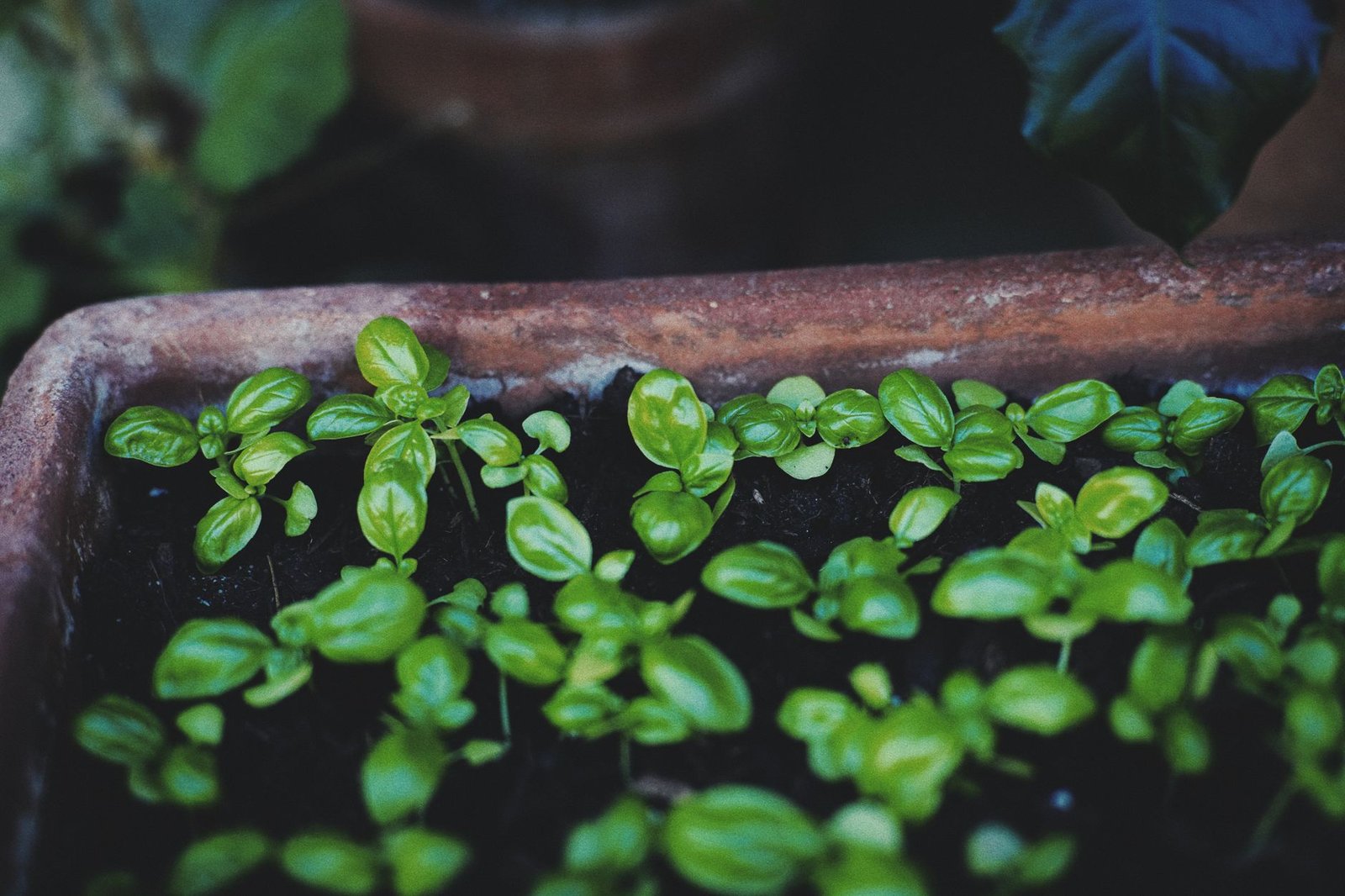
For homeowners and residents seeking continuous access to fresh flavors, understanding what herbs thrive indoors year-round is paramount. In 2026, selecting low-maintenance varieties like mint, chives, basil, parsley, oregano, and thyme ensures a steady supply of culinary delights, even during colder months. These resilient herbs are particularly well-suited for indoor environments, offering both aesthetic appeal and practical benefits with minimal effort.
Cultivating Year-Round Freshness: Why Indoor Herbs Matter
The appeal of an indoor herb garden extends beyond mere convenience; it represents a commitment to accessible freshness and sustainable living. In an era where culinary experiences are increasingly valued, having a vibrant source of herbs within arm’s reach transforms everyday cooking. Beyond the kitchen, these miniature green oases contribute to domestic comfort, enhancing air quality and providing a calming visual element to interior spaces. The growing trend of urban homesteading and self-sufficiency in 2026 further solidifies the importance of maximizing indoor horticultural potential. An indoor herb garden empowers the resident to control the quality and availability of their produce, bypassing seasonal limitations and supply chain fluctuations.
Top Easy-to-Grow Herbs for Indoor Success in 2026
When selecting herbs for year-round indoor cultivation, adaptability to varying light conditions, tolerance for common indoor temperatures, and consistent yielding are key. The following varieties stand out for their robust nature and ease of care, making them ideal for novice and experienced indoor gardeners alike.
Mint (Mentha spp.)
Mint is an exceptionally forgiving herb, renowned for its vigorous growth and aromatic leaves. Varieties such as spearmint and peppermint flourish indoors, requiring consistent moisture and moderate light. Its sprawling habit necessitates containment, often by planting in individual pots, to prevent it from outcompeting other herbs. Regular harvesting of leaves promotes bushier growth and ensures a continuous supply for beverages, desserts, and savory dishes.
Chives (Allium schoenoprasum)
Possessing a delicate onion-like flavor, chives are incredibly resilient and simple to grow indoors. They prefer bright, indirect light but can tolerate slightly lower light levels. The plant produces slender, grass-like leaves that are best snipped from the base as needed. With regular watering and occasional feeding, chives will regenerate quickly, offering fresh clippings throughout the year for garnishes, salads, and egg dishes.
Basil (Ocimum basilicum)
A cornerstone of many cuisines, basil can be successfully grown indoors, though it typically requires more light than other varieties on this list. Sweet basil and Genovese basil are popular choices. Placing the pot in a south-facing window or under a full-spectrum LED grow light is ideal. Regular pinching of the top sets of leaves encourages lateral growth and prevents the plant from flowering prematurely, preserving its flavor and extending its lifespan. Consistent watering is crucial, as basil is sensitive to drying out.
Parsley (Petroselinum crispum)
Both flat-leaf (Italian) and curly parsley varieties are excellent for indoor cultivation. Parsley prefers bright, indirect light and consistently moist, well-draining soil. Harvesting involves cutting outer stems at the base, which encourages new growth from the center. This method ensures a steady supply of flavorful leaves, perfect for fresh culinary applications from pestos to garnishes. The plant benefits from cooler indoor temperatures, making it a good choice for year-round production.
Oregano (Origanum vulgare)
Oregano is a hardy Mediterranean herb that thrives on neglect, making it a perfect candidate for indoor growing. It prefers bright light and can tolerate drier soil conditions between waterings, reducing the risk of overwatering. Regular trimming not only provides a fresh supply of its pungent leaves but also promotes a bushier, more compact plant. Its robust flavor is ideal for Italian and Greek dishes, and it dries well for long-term storage.
Thyme (Thymus vulgaris)
Another resilient Mediterranean herb, thyme requires minimal attention indoors. It flourishes in bright light and prefers well-draining soil that is allowed to dry out between waterings. Thyme’s small, aromatic leaves are best harvested by snipping sprigs. Its woody stems and low-growing habit make it an attractive addition to any indoor herb collection. Thyme is versatile in cooking, adding depth to roasted meats, vegetables, and soups.
Essential Indoor Herb Care for Consistent Growth
Achieving a thriving indoor herb garden year-round requires attention to several fundamental care principles, enhanced by modern advancements in horticultural technology.
Light Requirements: Harnessing 2026 LED Technology
Natural light, especially from south-facing windows, provides a good foundation, but consistency often demands supplementation. In 2026, advanced full-spectrum LED grow lights offer energy-efficient and customizable solutions. These modern lights simulate natural sunlight, providing the precise wavelengths herbs need for photosynthesis, regardless of external weather conditions or window orientation. Smart light systems allow residents to program specific light cycles and intensity, optimizing growth for different herb varieties and maximizing yields.
Watering Wisdom: Precision and Prevention
Overwatering is a common pitfall in indoor gardening. The resident should assess soil moisture by feeling the top inch of soil; if it’s dry, it’s time to water. Ensuring pots have adequate drainage holes is critical to prevent root rot. Modern self-watering planters and hydroponic systems, featuring integrated moisture sensors and automated reservoirs, significantly simplify this task, providing precise hydration without constant manual intervention.
Soil and Nutrients: The Foundation of Vitality
A high-quality, well-draining potting mix is essential for indoor herbs. Blends containing perlite or vermiculite enhance aeration and drainage. Environmentally conscious residents in 2026 are increasingly opting for sustainable substrates like coco coir. While most potting mixes come pre-fertilized, herbs benefit from a diluted liquid fertilizer every 2-4 weeks during active growth phases, particularly with continuous harvesting. Slow-release granular fertilizers can also provide consistent nutrition.
Temperature and Humidity: Mimicking Nature Indoors
Most herbs prefer indoor temperatures between 65-75°F (18-24°C). Protecting plants from cold drafts near windows or sudden temperature fluctuations is crucial. While many herbs tolerate average household humidity, certain varieties like basil may appreciate occasional misting or placement near a small humidifier, especially in dry indoor environments. Smart home climate control systems in 2026 can help maintain optimal conditions by integrating with plant care needs.
Harvesting for Longevity
Regular and judicious harvesting is vital for maintaining healthy, productive herb plants. Rather than stripping an entire plant, the homeowner should snip individual leaves or sprigs as needed. For bushy herbs like basil and mint, pinching back the growth tips encourages branching and prevents leggy growth. For chives and parsley, cutting the outer leaves first encourages new growth from the center, ensuring a continuous supply.
2026 Innovations Shaping Indoor Herb Cultivation
The landscape of indoor gardening is continually evolving, with 2026 seeing significant advancements that simplify and enhance the experience for the resident.
Automated Systems and Smart Planters
The proliferation of smart home technology has extended to indoor gardening. Automated planters equipped with sensors monitor soil moisture, nutrient levels, and light exposure, relaying data to a smartphone app. These systems can automatically water plants, dispense nutrients, and even adjust LED light cycles, making indoor herb cultivation virtually hands-free. This level of automation is particularly beneficial for busy individuals or those new to gardening.
Vertical and Compact Gardening Solutions
Space optimization remains a key trend. Vertical gardening systems, ranging from wall-mounted pockets to modular stacking units, allow residents to cultivate a significant number of herbs in a small footprint. These solutions are perfect for urban apartments or homes with limited counter space, offering both aesthetic appeal and enhanced productivity. Hydroponic towers, which grow plants without soil, are also becoming more compact and user-friendly, providing efficient nutrient delivery and faster growth.
Sustainable Substrates and Biotechnical Advances
The push for eco-friendly practices extends to growing mediums. Beyond coco coir, innovations in recycled and biodegradable substrates are emerging, reducing the environmental footprint of indoor gardening. Research into biotechnical enhancements, such as specialized microbial inoculants for potting mixes, improves nutrient uptake and plant resilience, leading to healthier, more robust herbs with less intervention.
Conclusion
Cultivating an indoor herb garden year-round in 2026 is an accessible and rewarding endeavor for any resident. By selecting easy-to-grow varieties like mint, chives, basil, parsley, oregano, and thyme, and by embracing modern horticultural innovations, a continuous supply of fresh, flavorful herbs can be maintained with minimal effort. The combination of fundamental care practices and cutting-edge technology ensures that even beginners can enjoy the practical benefits and domestic comfort that a thriving indoor herb garden provides, enriching both culinary experiences and living spaces throughout the year.