
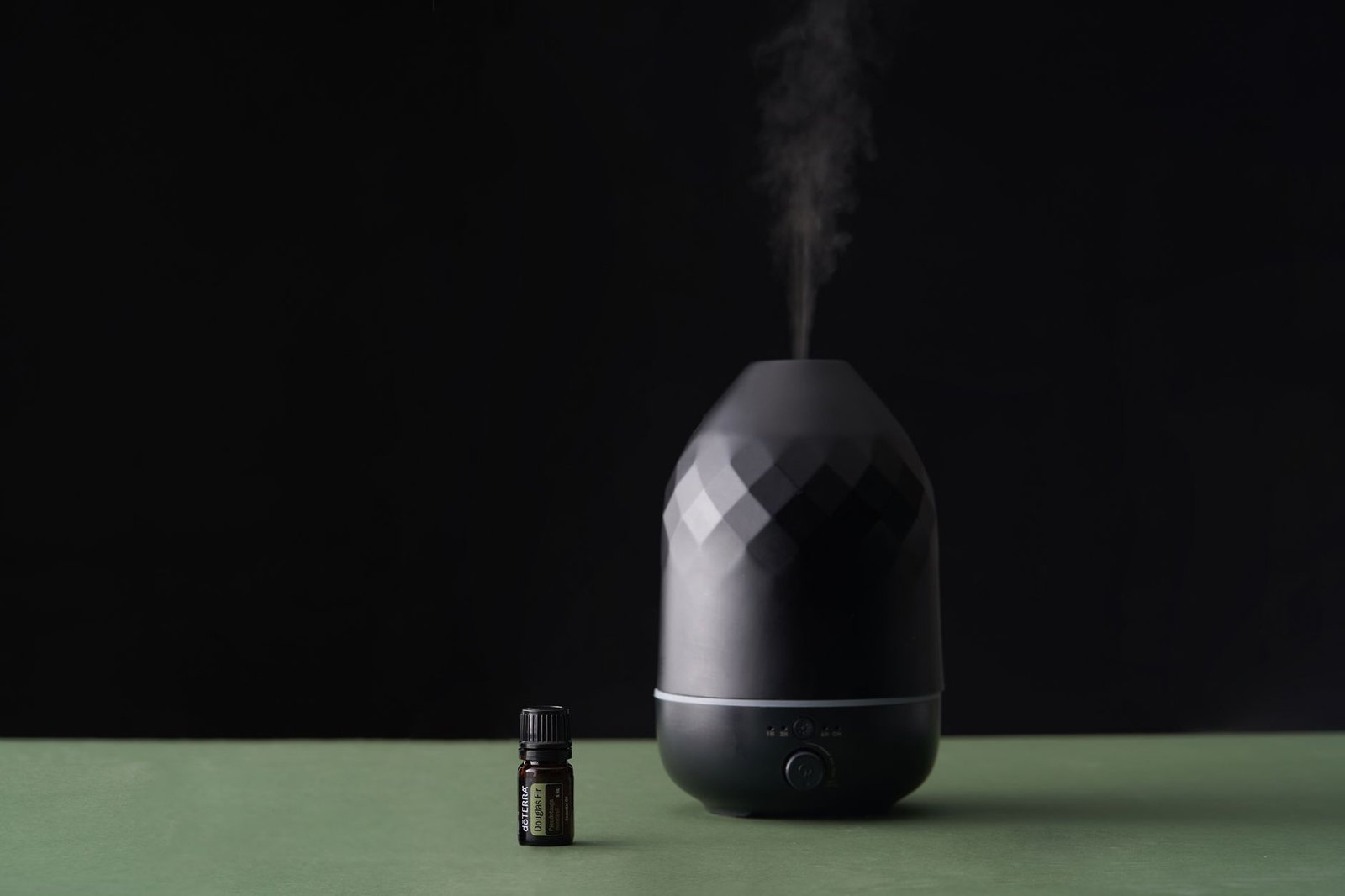
Essential Oil Diffuser vs. Humidifier: Better for Home Air 2026?
Choosing between an essential oil diffuser and a humidifier for optimizing indoor air quality and wellness in 2026 hinges entirely on the resident’s primary objective. While both devices contribute to a more comfortable domestic environment, they address fundamentally different aspects of air composition. A humidifier adds essential moisture to dry air, directly combating issues like dry skin and respiratory discomfort, whereas an essential oil diffuser disperses aromatic compounds for therapeutic benefits and ambiance, with minimal impact on humidity levels. Understanding these distinct functions is critical for making an informed decision about enhancing the home’s atmosphere.
Understanding Essential Oil Diffusers in 2026
What They Are
Essential oil diffusers are devices designed to disperse essential oils into the air, allowing the inhalation of their aromatic and therapeutic properties. The most prevalent type utilizes ultrasonic technology, employing high-frequency vibrations to create a fine mist from water and essential oil, which is then released into the room. Nebulizing diffusers, increasingly favored by aromatherapy purists in 2026, operate without water, using pressurized air to atomize the pure essential oil directly, providing a more concentrated aromatic experience. Evaporative and heat diffusers also exist, though they are less common in modern smart home setups due to efficiency and safety considerations.
Benefits
- Aromatherapy Benefits: The primary advantage is the ability to introduce specific scents for mood enhancement, stress reduction, improved sleep, and cognitive focus. Lavender oil, for instance, is widely used for relaxation, while peppermint can invigorate. Tea tree and eucalyptus oils are often diffused for their perceived air-purifying and respiratory support properties, especially during seasonal changes.
- Odor Neutralization: Diffusers can effectively neutralize unwanted odors by dispersing pleasant essential oil aromas, rather than merely masking them. This is particularly valuable in kitchens or pet-friendly homes.
- Subtle Air Enhancement: While not a primary air purifier, certain essential oils possess antimicrobial qualities that can contribute to a fresher indoor environment.
- 2026 Trends: Modern diffusers are deeply integrated into smart home ecosystems. Users can find models with app control, allowing for scheduled diffusion, intensity adjustments, and even integration with home air quality sensors that trigger specific essential oil blends based on detected parameters. Material developments include the use of sustainable, recycled polymer casings and advanced silent motor technology, making them unobtrusive additions to any room.
Drawbacks
- No Significant Humidity Addition: Despite creating a mist, ultrasonic diffusers add negligible moisture to the air, making them ineffective for combating dry air symptoms.
- Potential for Irritation: Improper use, excessive diffusion, or pre-existing allergies can lead to irritation of the respiratory system, skin, or eyes for some residents. Certain essential oils are also not safe for pets.
- Ongoing Cost: The regular purchase of high-quality essential oils represents a recurring expense.
- Maintenance: Regular cleaning is crucial to prevent essential oil residue buildup, which can affect performance and potentially harbor bacteria.
The Role of Humidifiers in 2026 Home Environments
What They Are
Humidifiers are devices specifically designed to increase the moisture content (humidity) in indoor air. They come in several types: ultrasonic humidifiers use high-frequency vibrations to produce a cool mist; evaporative humidifiers use a fan to blow air through a wet wick filter; and warm mist humidifiers boil water to release steam. The choice of type often depends on the resident’s preference for mist temperature, energy efficiency, and maintenance considerations.
Benefits
- Alleviation of Dry Air Symptoms: A significant benefit is relief from physical discomfort caused by dry air, such as dry skin, chapped lips, irritated nasal passages, dry throats, and static electricity. This is particularly beneficial in arid climates or during colder months when heating systems dry out indoor air.
- Respiratory Comfort: Maintaining optimal humidity levels can soothe irritated airways, making it easier for residents to breathe, especially those prone to sinus issues or respiratory conditions.
- Protection of Home Interiors: Proper humidity levels help preserve wood furniture, flooring, musical instruments, and plants, preventing them from cracking, warping, or drying out.
- 2026 Trends: The latest humidifiers boast advanced features, including precise hygrometer integration for self-regulating humidity levels, ensuring optimal conditions without over-humidification. Many now incorporate sophisticated antimicrobial technologies, such as UV-C light purification or silver ion cartridges, to sanitize the water and prevent the release of germs or mold spores. Sustainable design is evident in water reservoirs made from recycled, BPA-free plastics, and energy-efficient motors are standard, reducing electricity consumption. Whole-home humidification systems are also gaining traction, offering centralized control and seamless integration with HVAC systems.
Drawbacks
- Risk of Mold and Mildew: If not properly cleaned or if humidity levels are allowed to become too high (above 60%), humidifiers can create an environment conducive to mold, mildew, and dust mite proliferation, posing health risks.