The Evolving Landscape of 2026 Living
The year 2026 heralds an era where living spaces are no longer static entities but dynamic environments designed to adapt to the fluid rhythms of daily life. Modern residences, often characterized by compact footprints and the integration of work, leisure, and family activities, demand furnishings that offer unparalleled flexibility. Homeowners increasingly seek solutions that can effortlessly transform a living room into a productive workspace, a dining area into an entertainment hub, or a guest room into a personal sanctuary. This pressing need for adaptability drives the evolution of modular furniture systems, positioning them as essential components for the contemporary, future-proof home. The focus remains on empowering the resident to curate an environment that truly reflects an evolving lifestyle, enhancing both functionality and overall comfort.
Innovations in Modular Design & Functionality
Seamless Adaptability and Reconfigurability
The hallmark of 2026 modular furniture lies in its sophisticated engineering, enabling intuitive and rapid transformation. Gone are the days of cumbersome assembly; today’s systems feature advanced, tool-free joining mechanisms such as magnetic connectors, precise interlocking systems, and smart click-and-lock designs. These innovations allow for quick reconfigurations, making it possible to adapt a furniture piece or an entire layout within minutes. For instance, a sofa can split into individual seating units, a coffee table can extend into a dining table, or shelving units can pivot to create room dividers. This extreme flexibility ensures that the furniture responds instantly to the resident’s current needs, from hosting social gatherings to creating a focused, private workspace, all within the same footprint. The resident gains the ability to continually optimize the living environment, ensuring every square inch serves a purpose.
Smart Integration and Connectivity
Beyond physical reconfigurability, 2026 modular furniture systems are becoming intelligent hubs within the home. Seamless integration of technology is a core trend, with units featuring built-in wireless charging pads, discreet USB-C ports, and power outlets strategically placed for convenience. Integrated LED lighting systems, often with tunable white and RGB capabilities, can be controlled via smart home platforms, allowing the resident to adjust ambiance with ease. Some advanced modules even incorporate smart sensors for air quality monitoring or presence detection, contributing to an overall more responsive and efficient living space. This level of embedded technology transforms furniture from mere objects into active participants in the modern, connected home ecosystem, enhancing utility without clutter.
Ergonomics and Comfort Reimagined
Comfort and well-being remain paramount in 2026 furniture design, with modular systems leading the way in ergonomic innovation. Adjustable components are now standard, including height-adjustable desks that promote dynamic postures, reclining backrests with customizable lumbar support, and seating units with variable depths to accommodate diverse body types. Materials are selected not only for aesthetics but also for their bio-responsive properties, such as temperature-regulating fabrics, pressure-relieving foams, and breathable textiles that enhance occupant comfort throughout the day. The objective is to create furniture that actively supports the resident’s physical health and mental well-being, adapting to individual preferences and promoting optimal comfort in every activity, from working to relaxing.
Sustainable Materials and Aesthetic Trends for 2026
Eco-Conscious Material Developments
Sustainability is no longer a niche concern but a foundational principle in 2026 furniture manufacturing. Modular systems heavily leverage advanced, eco-conscious materials that prioritize environmental responsibility without compromising on quality or aesthetics. Key developments include the widespread use of high-performance **recycled plastics**, particularly those derived from ocean-bound waste, transformed into durable structural components or elegant surfaces. **Bio-based composites** are gaining traction, with materials like mushroom mycelium used for lightweight yet strong panels, and bamboo laminates offering sustainable alternatives to traditional hardwoods. Upholstery frequently features **upcycled textiles** made from industrial offcuts or post-consumer waste, reducing landfill impact. Furthermore, manufacturers are increasingly adopting **circular economy principles**, designing products for ease of disassembly, repair, and eventual material recovery, ensuring longevity and minimizing waste at every stage of the product lifecycle.
A Palette of Modern Aesthetics
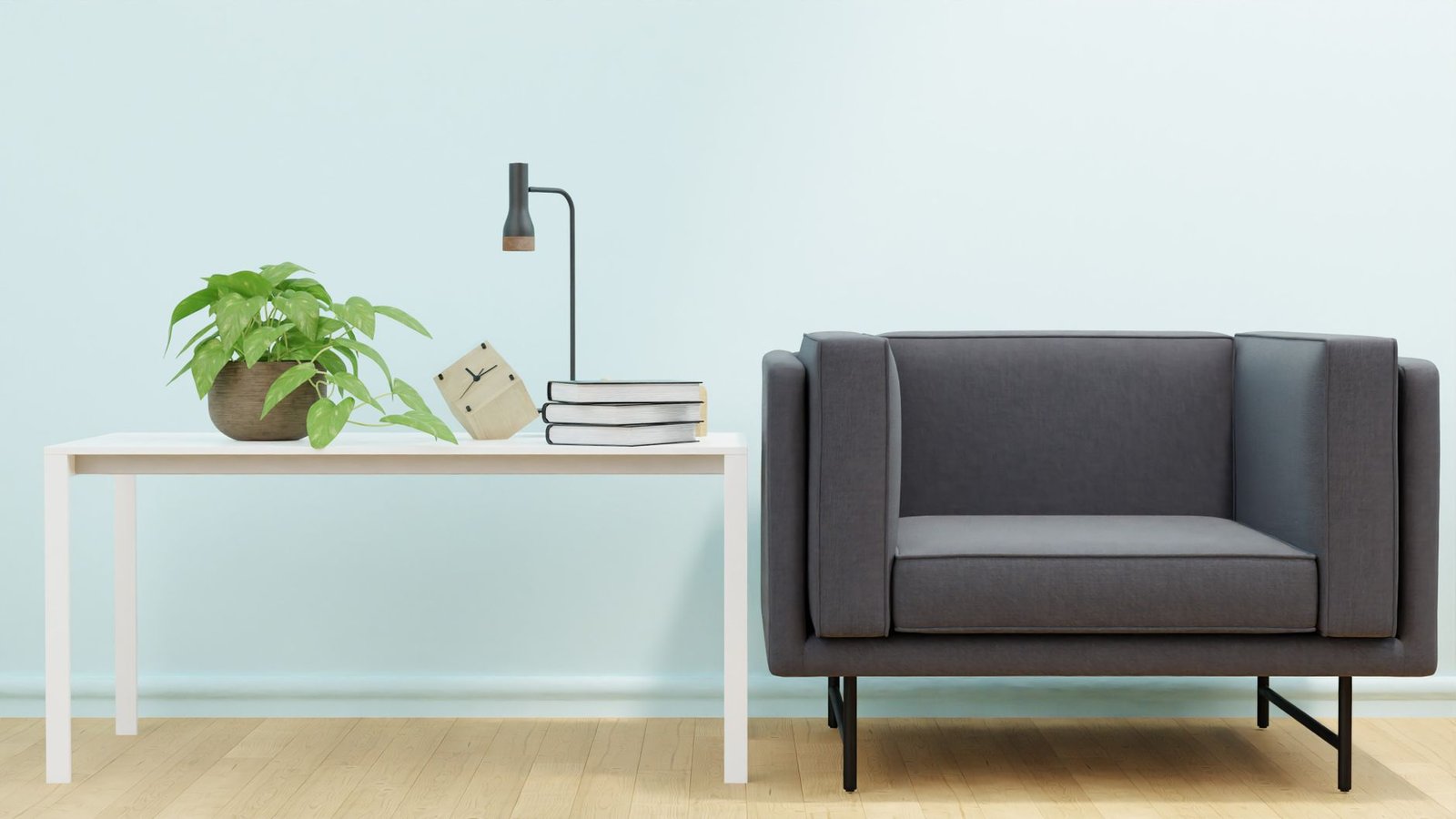
The aesthetic trends for 2026 modular furniture reflect a blend of understated luxury, natural inspiration, and tactile richness. The concept of “quiet luxury” pervades designs, characterized by clean lines, sophisticated silhouettes, and an emphasis on quality over ostentation. **Biophilic design** continues its prominence, integrating natural finishes such as warm, untreated woods, polished stone elements, and subtle plant integration where appropriate. Color palettes gravitate towards earthy tones, muted pastels, and a range of calming neutrals like sage greens, terracotta hues, soft grays, and serene blues. Accent colors, often in deep jewel tones or vibrant ochres, are used sparingly to introduce personality. Finishes are predominantly matte or soft-touch, inviting interaction and contributing to a sense of domestic tranquility. The overall aesthetic aims for timeless elegance that complements diverse interior styles while promoting a sense of calm and well-being.
Durability and Longevity as Key Pillars
Investing in modular furniture in 2026 means investing in longevity. Manufacturers are committing to materials and construction techniques that ensure exceptional durability and resistance to daily wear and tear. High-grade metals, resilient composites, and expertly engineered wood products form the core of these systems, designed to withstand frequent reconfigurations and extended use. The modular nature itself contributes to longevity; if one component experiences wear or damage, it can often be replaced or repaired individually, extending the overall lifespan of the entire system and reducing the need for full replacements. This commitment to enduring quality aligns with sustainable practices, offering homeowners a responsible and economically sound choice that continues to perform and delight for years to come.
Modular furniture systems for 2026 represent more than just flexible furnishings; they embody a profound shift towards intelligent, sustainable, and highly personalized living environments. By embracing cutting-edge design, smart technology integration, and eco-conscious materials, these systems empower the resident to create spaces that are not only aesthetically pleasing but also profoundly responsive to the dynamic needs of modern life. They stand as a testament to innovation, future-proofing homes and elevating the concept of domestic comfort to new heights.