A living room that feels cramped can diminish domestic comfort and hinder functionality. For residents facing the challenge of limited square footage, optimizing layout is crucial for transforming a restrictive area into an inviting and expansive-feeling space. This article presents seven actionable layout and furniture arrangement strategies, incorporating modern material developments and industry trends for 2026, to ensure even the most compact living rooms achieve a sense of openness and purpose.
Maximizing Space with Strategic Furniture Placement
The foundation of a spacious small living room lies in intelligent furniture arrangement. The goal is to create clear pathways and zones without overcrowding.
1. Embrace Floating Furniture Arrangements
- Principle: Instead of pushing all furniture against walls, positioning key pieces slightly away from the perimeter can paradoxically make a room feel larger. This creates a sense of airiness and defines distinct zones.
- Application: A sofa centered within the room, or armchairs angled slightly inwards, allows circulation space behind them, disrupting the perception of a confined box. This technique is particularly effective when combined with slender-legged furniture, a prevailing trend in 2026, which reduces visual bulk compared to solid, blocky designs.
- 2026 Trend Integration: Consider modular sofa systems with reconfigurable elements, often featuring lightweight frames and sustainable fabric choices like recycled polyester blends or organic cottons, allowing for dynamic adjustments as the resident’s needs evolve.
2. Prioritize Multifunctional Furniture Pieces
- Principle: Every item in a small living room should ideally serve more than one purpose. This minimizes the total number of items needed, freeing up valuable floor space.
- Application: An ottoman that functions as a coffee table, extra seating, and contains hidden storage is invaluable. Sofa beds provide guest accommodation without dedicating an entire room. Console tables that expand into dining tables offer flexibility for entertaining.
- 2026 Trend Integration: Look for pieces integrating smart technology seamlessly, such as coffee tables with embedded wireless charging pads or side tables featuring discreet USB ports, enhancing utility without adding clutter. Materials like lightweight, high-strength aluminum alloys or bioplastic composites offer durable yet visually unobtrusive options.
Leveraging Verticality and Smart Storage Solutions
When horizontal space is limited, the vertical plane becomes a powerful ally for storage and visual interest.
3. Utilize Vertical Storage Solutions
- Principle: Drawing the eye upwards and utilizing wall space for storage prevents floor clutter and visually expands the room’s height.
- Application: Floor-to-ceiling bookshelves, wall-mounted floating shelves, or tall, slender storage units maximize capacity without consuming a large footprint. Ensure shelving is open or uses glass fronts to maintain an airy feel, preventing a heavy, closed-off look.
- 2026 Trend Integration: Integrated shelving systems with customizable compartments, featuring backlighting or perforated metal accents for a contemporary edge, are on-trend. Automated lift systems for media consoles that hide televisions when not in use also represent a pinnacle of discreet functionality.
The Power of Light and Reflective Surfaces
Light and reflection are powerful tools for creating an illusion of space and brightening a compact area.
4. Employ Strategic Mirror Placement
- Principle: Mirrors can visually double a room’s size by reflecting light and the room’s elements, creating an illusion of depth.
- Application: A large mirror placed opposite a window will reflect natural light, making the room brighter and seemingly extending the view. A collection of smaller mirrors can also add a decorative element while serving the same purpose.
- 2026 Trend Integration: Frameless mirrors with subtle ambient LED backlighting offer a sleek, modern aesthetic. Mirrors integrated into furniture pieces, such as wardrobe doors or console table tops, also provide dual functionality while enhancing spaciousness.
5. Opt for a Light Color Palette and Minimalist Decor
- Principle: Lighter colors reflect more light, making a room feel more open and airy, while excessive clutter can overwhelm a small space.
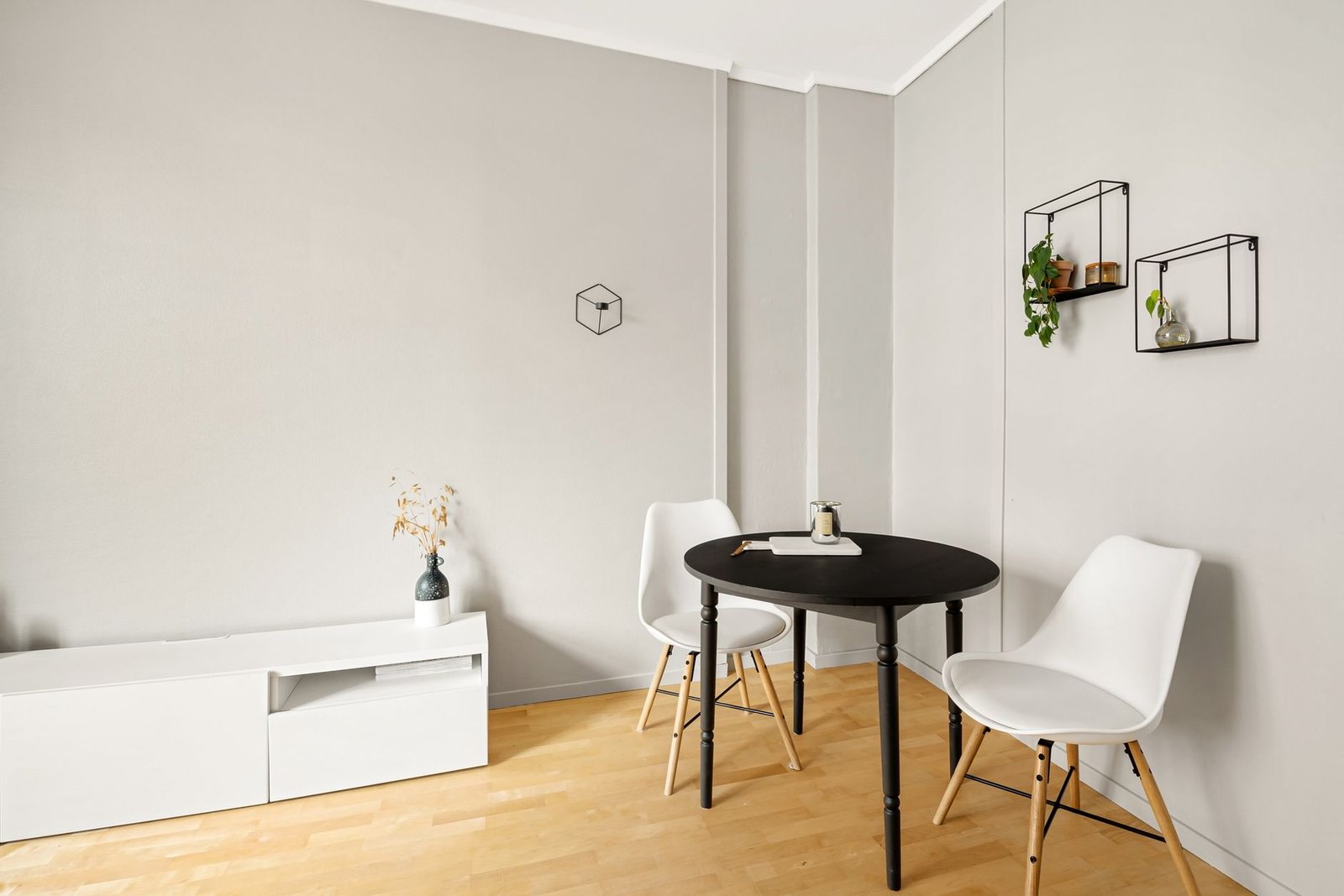
- Application: Walls painted in soft whites, creams, light grays, or subtle pastels will enhance natural light. Furniture in similar tones further contributes to a cohesive, spacious feel. Keep decor minimal, focusing on a few carefully chosen pieces that add personality without visual noise.
- 2026 Trend Integration: Muted, earthy tones and soft, biophilic color palettes are prominent. The use of natural textures like linen, wool, and sustainable timber within this light scheme adds depth and warmth without sacrificing openness.
Integrating 2026 Trends for Optimal Flow
Beyond traditional layouts, contemporary trends offer innovative solutions for small living rooms.
6. Choose Furniture with Appropriate Scale and Proportion
- Principle: Oversized furniture can quickly overwhelm a small living room, making it feel claustrophobic. Selecting pieces that fit the room’s dimensions is critical.
- Application: Prioritize furniture with slender arms, exposed legs, and lower profiles. Avoid bulky sofas or heavy recliners. Visually lightweight pieces allow light to pass through and occupy less perceived space.
- 2026 Trend Integration: The market offers an abundance of finely scaled, ergonomic furniture designed specifically for urban living. Flexible materials like woven composites and tensile fabrics allow for strong, supportive structures that maintain a delicate visual footprint.
7. Implement Seamless Tech Integration and Smart Lighting
- Principle: Modern technology, when integrated discreetly, can enhance functionality and ambiance without adding physical bulk or visual clutter.
- Application: Control lighting through smart home systems to adjust brightness and color temperature, creating different moods and making the space feel dynamic. Conceal cables and devices wherever possible to maintain a clean aesthetic.
- 2026 Trend Integration: Wireless charging surfaces built into tables, smart speakers hidden within decorative objects, and ambient lighting systems that automatically adjust to natural light levels are increasingly common. These technologies prioritize user comfort and convenience while maintaining visual harmony, ensuring that technology serves the space, rather than dominating it.
By implementing these seven layout hacks, homeowners can transform a cramped small living room into a highly functional, visually expansive, and comfortable sanctuary. The intelligent application of strategic furniture placement, vertical storage, reflective elements, and contemporary design trends for 2026 ensures that even the most compact spaces can exude openness and sophisticated comfort.