
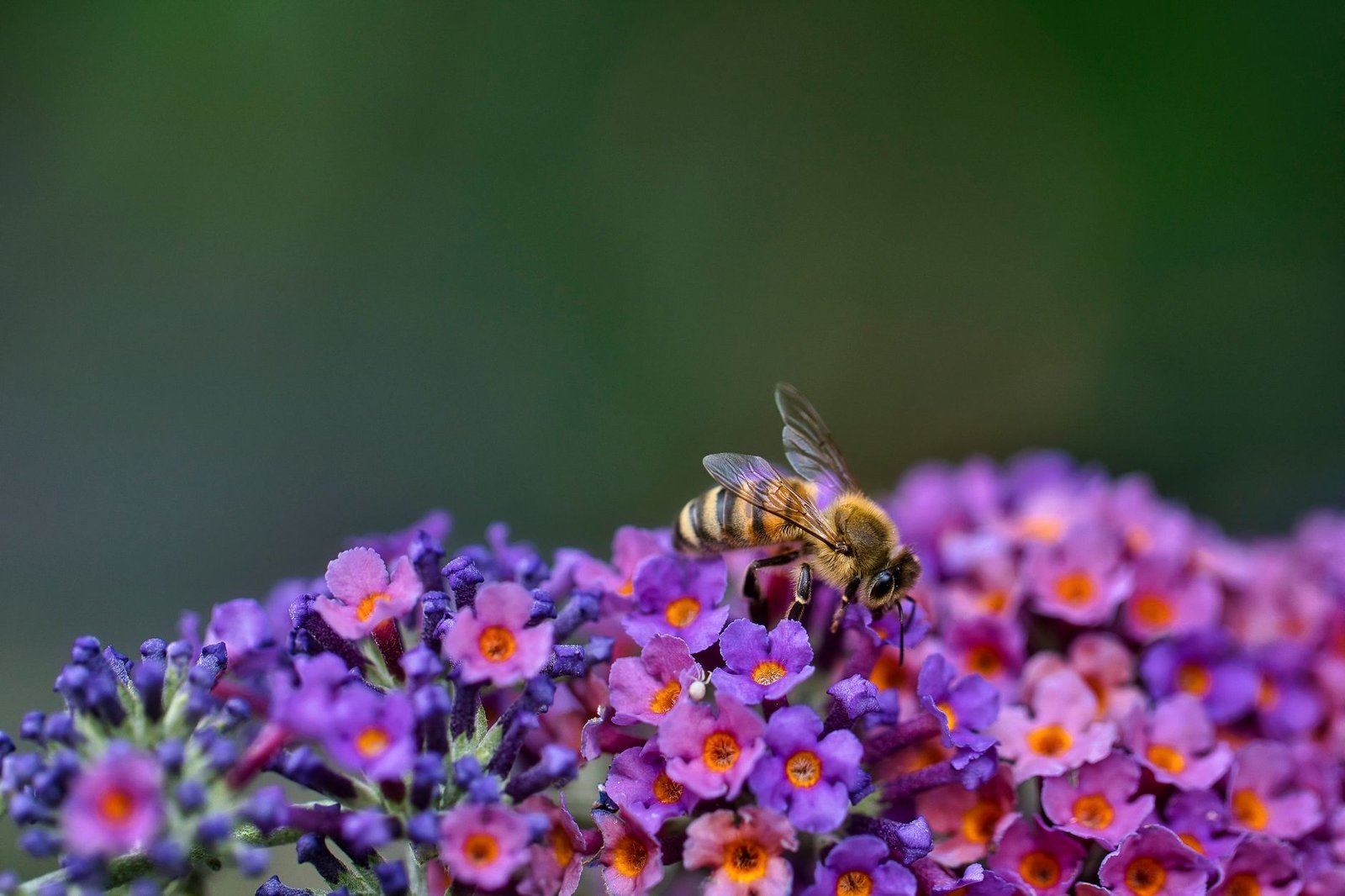
A garden devoid of the gentle hum of bees and the graceful flutter of butterflies can feel incomplete, signalling a potential imbalance in the local ecosystem. The observation of fewer pollinators is a widespread concern, but residents have significant power to reverse this trend. By strategically introducing specific plants known for their high pollinator appeal, a vibrant, life-affirming garden rich in biodiversity can be cultivated. This article outlines seven indispensable plant selections proven to attract bees and butterflies, offering a vital solution for enhancing garden vitality in 2026.
Understanding Pollinator Decline & 2026 Solutions
The dwindling populations of bees, butterflies, and other essential pollinators represent a critical ecological challenge, primarily attributed to habitat loss, pesticide use, and the impacts of climate change. Pollinators are fundamental to the reproduction of many plants, including a significant portion of the world’s food crops, making their health directly linked to global ecological and agricultural stability.
In 2026, the emphasis on creating pollinator-friendly landscapes has intensified, driven by growing environmental awareness and accessible solutions. Current trends highlight a strong movement towards native plant landscaping, recognizing their superior adaptation to local conditions and their co-evolutionary relationships with indigenous pollinator species. Furthermore, advancements in sustainable garden practices, such as precision irrigation systems, are becoming standard. These smart technologies optimize water use, supporting healthier plant ecosystems and reducing resource strain. Integrated pest management, prioritizing organic and biological controls over broad-spectrum chemicals, is also a cornerstone of modern pollinator support, ensuring a safe foraging environment. The responsible homeowner’s choices today build resilient ecosystems for tomorrow.
Top 7 Pollinator-Attracting Plants for 2026 Gardens
Selecting the right plants is paramount for creating a thriving pollinator haven. These seven choices are highly effective, offering diverse bloom times, nectar sources, and host plant opportunities.
1. Echinacea purpurea (Purple Coneflower)
A quintessential perennial, Purple Coneflower is a powerhouse for attracting a wide array of pollinators. Its prominent central cones and vibrant purple petals serve as an irresistible beacon for various bee species, butterflies, and even beneficial hoverflies. It provides abundant nectar and pollen, making it a crucial food source, especially during mid-to-late summer.
- Pollinator Appeal: High for bees (honeybees, bumblebees, native bees) and various butterflies (Fritillaries, Swallowtails).
- Growing Conditions: Thrives in full sun (at least 6 hours daily) and well-drained soil. Drought-tolerant once established, making it suitable for water-wise gardens.
2. Asclepias tuberosa (Butterfly Weed)
Butterfly Weed is a non-negotiable addition for any resident aiming to support Monarch butterflies. Beyond its brilliant orange flowers, which are rich in nectar for many butterfly species, it is the sole host plant for Monarch caterpillars. Without Milkweed species like ‘Butterfly Weed’, the Monarch lifecycle cannot continue.
- Pollinator Appeal: Essential host plant for Monarch caterpillars; nectar source for Monarchs, Swallowtails, and various bees.
- Growing Conditions: Prefers full sun and dry to medium, well-drained soil. Highly drought-tolerant once established.
3. Salvia nemorosa (Meadow Sage)
Varieties like ‘Caradonna’ or ‘May Night’ are renowned for their extended blooming period and intense purple-blue spires. Meadow Sage is a magnet for multiple bee species, including bumblebees and smaller native bees, which find its tubular flowers easy to access. Its consistent bloom provides a reliable food source over many weeks.
- Pollinator Appeal: Excellent for bees (especially bumblebees) and small butterflies.
- Growing Conditions: Full sun is ideal, with average to dry, well-drained soil. Deadheading spent flowers can encourage reblooming.
4. Liatris spicata (Blazing Star/Gayfeather)
With its striking vertical flower spikes, Liatris is a standout in any garden, attracting significant butterfly attention. Its distinctive bloom from top to bottom, or bottom to top depending on variety, provides a long-lasting nectar feast. It is particularly effective for larger butterflies and also draws in hummingbirds.
- Pollinator Appeal: A favourite of Swallowtails, Painted Ladies, and Monarchs; also attracts bees.
- Growing Conditions: Requires full sun and well-drained soil. Tolerates various soil types, including clay, as long as drainage is adequate.
5. Nepeta x faassenii (Catmint)
Known for its soft, fragrant foliage and continuous display of lavender-blue flowers, Catmint is incredibly low-maintenance and highly attractive to a diverse range of bees, including honeybees and various native species. Its drought tolerance and prolonged bloom make it an invaluable asset for sustained pollinator support throughout the growing season.
- Pollinator Appeal: Superb for a wide range of bees; also attractive to some smaller butterflies.
- Growing Conditions: Thrives in full sun to partial shade and well-drained soil. Extremely drought-tolerant and deer-resistant.
6. Solidago spp. (Goldenrod – Native Varieties)
Often unfairly blamed for seasonal allergies (which are typically caused by Ragweed), native Goldenrod species are critical late-season nectar and pollen sources. When other flowers are fading, Goldenrod provides an essential lifeline for bees and butterflies preparing for winter or migration. Selecting native, non-aggressive varieties is key.
- Pollinator Appeal: Invaluable for late-season bees (especially honeybees and bumblebees) and butterflies (Monarchs stocking up for migration).
- Growing Conditions: Full sun is preferred. Tolerant of a wide range of soil conditions, including poor soil.
7. Symphyotrichum novae-angliae (New England Aster)
Another late-season hero, New England Aster offers a spectacular display of purple to pink daisy-like flowers. Like Goldenrod, it provides crucial nectar for pollinators preparing for colder months, and its leaves also serve as a host plant for several butterfly and moth species’ caterpillars, making it a dual-purpose champion.
- Pollinator Appeal: Excellent for late-season bees and butterflies, particularly Monarchs and Painted Ladies; host plant for Checkerspot butterflies.
- Growing Conditions: Full sun to partial shade and moist, well-drained soil. Can tolerate occasional wet conditions.
Optimizing Pollinator Habitats: Beyond Just Plants
While plant selection is fundamental, a truly thriving pollinator garden incorporates broader ecological considerations. Creating a holistic habitat increases the likelihood of sustained pollinator activity.
Providing Water Sources
Pollinators require fresh water just like any other living creature. A shallow dish filled with pebbles or marbles, allowing bees and butterflies to drink without drowning, can be a lifesaver on hot days. Modern designs for 2026 include solar-powered drip irrigation systems for small water features or specialized bird baths with shallow landing areas, ensuring a continuous, accessible water supply without constant resident intervention.
Creating Shelter and Nesting Sites
Beyond nectar, pollinators need safe places to rest, breed, and overwinter. This can involve leaving undisturbed patches of bare soil for ground-nesting bees, providing brush piles or log stacks for shelter, or incorporating native bee hotels made from untreated wood or bamboo. Avoiding overly manicured landscapes allows for natural nooks and crannies that serve as vital habitats. The integration of recycled content planters and landscaping elements can also provide additional texture and microclimates.
Adopting Eco-Friendly Pest Management
The indiscriminate use of pesticides is one of the greatest threats to pollinator populations. Residents should prioritize organic gardening methods, such as introducing beneficial insects, using horticultural oils or insecticidal soaps as a last resort, and always opting for targeted treatments over broad-spectrum chemicals. Advances in biological controls and plant-derived insecticides in 2026 offer increasingly effective and safer alternatives, enabling the resident to protect plants without harming beneficial insects. Understanding and implementing these practices ensures the garden remains a safe haven for its smallest, yet most vital, inhabitants.
By thoughtfully integrating these seven pollinator-magnet plants and embracing comprehensive habitat support, any resident can transform their garden into a vibrant, buzzing, and beautiful ecosystem. The collective efforts of individual gardens contribute significantly to broader ecological health, fostering biodiversity and ensuring the continued vitality of the natural world.