
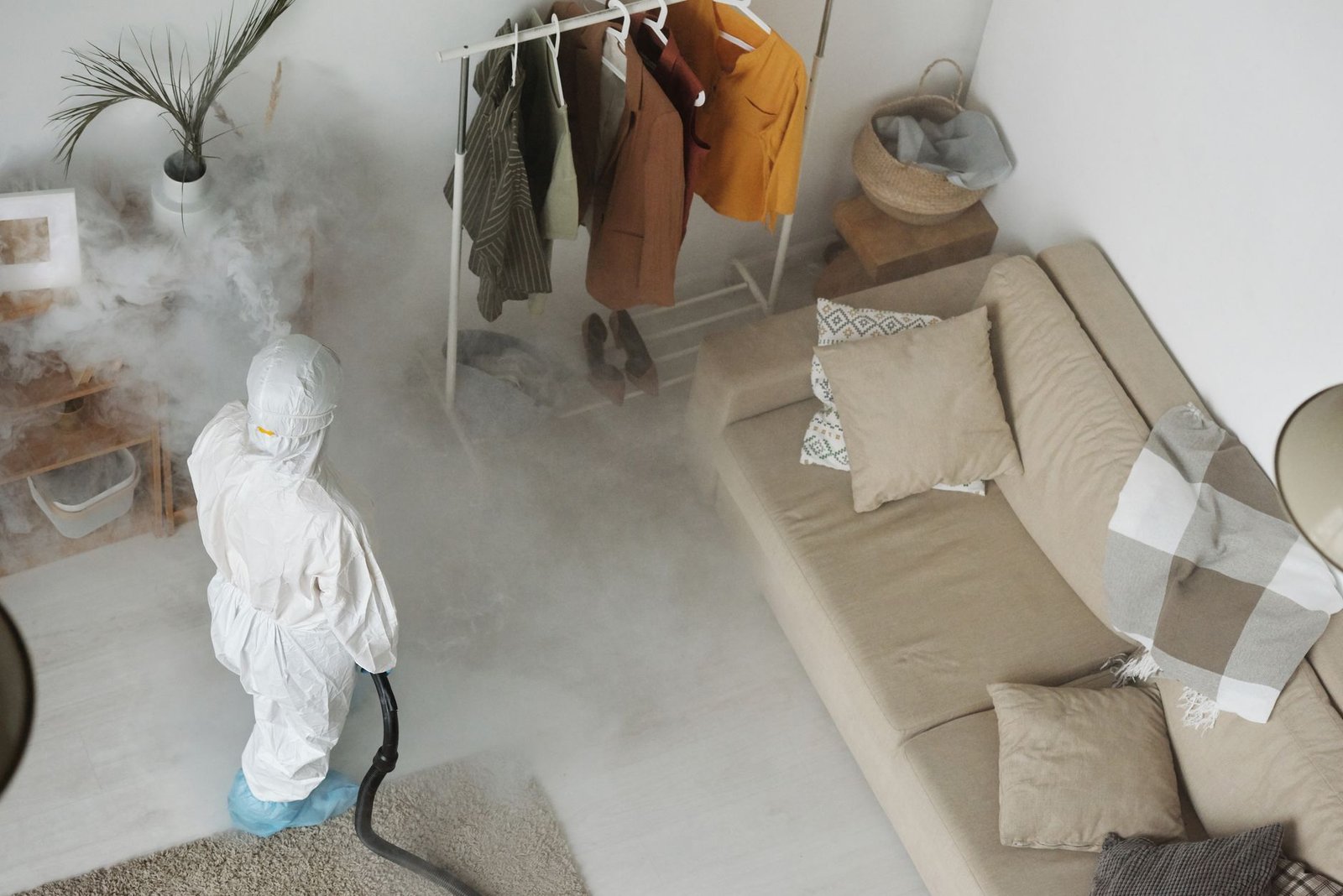
A persistent musty odor within a dwelling often signals the presence of mold and mildew, ubiquitous fungi thriving in damp environments. Addressing a musty home smell promptly is critical, as these unwelcome guests can compromise indoor air quality, potentially leading to respiratory issues and structural damage. Fortunately, preventing mold and mildew growth is achievable through a combination of diligent maintenance, strategic environmental control, and leveraging modern material innovations. This article outlines six proactive strategies for homeowners to implement in 2026 to ensure a healthier, more comfortable living space, free from musty odors.
Understanding the Enemy: Mold and Mildew in the Home
The Basics of Fungal Growth
Mold and mildew are types of fungi that reproduce by releasing spores into the air. These spores are omnipresent; however, they require specific conditions to germinate and flourish. The primary catalysts for growth include:
- Moisture: Water leaks, high humidity, condensation, or poor ventilation.
- Organic Material: Dust, wood, drywall, fabric, and other common household materials serve as food sources.
- Warmth: Ideal temperatures typically range between 70-90°F (20-32°C).
- Darkness: Fungi often thrive in dimly lit or unlit areas.
When these conditions converge, mold and mildew can colonize surfaces rapidly, producing the distinctive musty odor that alerts residents to a potential issue. Beyond the unpleasant smell, unchecked fungal growth can degrade building materials and, critically, release allergens and irritants into the air, impacting occupant well-being. Proactive prevention is therefore paramount for maintaining domestic comfort and health.
Six Proactive Strategies to Combat Musty Odors and Fungi in 2026
1. Optimize Indoor Humidity Control
Maintaining optimal indoor humidity levels is perhaps the most fundamental step in preventing mold and mildew. Relative humidity (RH) should ideally remain between 30% and 50%. Elevated RH creates a perfect breeding ground for fungi.
- Dehumidifiers: The resident can utilize standalone or whole-house dehumidifiers, especially in basements, crawl spaces, and other naturally damp areas. Modern 2026 models often feature smart home integration, allowing for remote monitoring and automated adjustments based on real-time climate data.
- Ventilation: Proper ventilation, including exhaust fans in bathrooms and kitchens, is essential for expelling moist air. High-efficiency heat recovery ventilators (HRVs) and energy recovery ventilators (ERVs) are becoming standard, exchanging stale, humid indoor air with fresh outdoor air while minimizing energy loss.
- Monitoring: Smart humidity sensors provide continuous data, alerting the homeowner to fluctuations that require attention.
2. Enhance Air Circulation and Ventilation
Stagnant air is a precursor to moisture buildup and subsequent fungal growth. Ensuring robust air circulation throughout the home is a simple yet powerful preventative measure.
- Natural Airflow: Periodically opening windows and doors, when weather permits, facilitates natural air exchange.
- Strategic Fan Use: Ceiling fans and portable fans can improve air movement in specific rooms, preventing pockets of stagnant, humid air. Energy-efficient smart fans in 2026 offer advanced controls and quiet operation.
- HVAC Maintenance: Regular inspection and cleaning of the home’s heating, ventilation, and air conditioning (HVAC) system, including ductwork, ensure efficient operation and prevent the circulation of mold spores. Advanced filtration systems, such as MERV 13 or higher, are increasingly integrated into residential HVAC for superior air purification.
3. Proactive Moisture Management and Leak Prevention
Water intrusion from leaks, whether obvious or hidden, is a primary driver of significant mold issues. Early detection and immediate repair are critical.
- Regular Inspections: The resident should conduct routine checks of roofs, plumbing fixtures, appliance hoses, and foundation walls for any signs of leakage or water staining.
- Exterior Drainage: Proper grading of the landscape away from the foundation, clean gutters, and extended downspouts are crucial for directing rainwater away from the home’s structure.
- Smart Leak Detection: For 2026, smart home technologies include advanced leak detection sensors that can be placed near water sources. These systems can alert the homeowner via a smartphone app and some even trigger an automatic water shut-off to prevent extensive damage.
- Advanced Materials: Developments in waterproof membranes for foundations and self-healing pipe materials offer enhanced long-term protection against water ingress.
4. Incorporate Mold-Resistant Materials and Finishes
When undertaking renovations or new construction, selecting materials with inherent mold-resistant properties can significantly reduce future problems, particularly in damp-prone areas like bathrooms, kitchens, and basements.
- Mold-Resistant Drywall: Specifically designed drywall products incorporate fiberglass mats and treated cores that resist moisture absorption and fungal growth.
- Antimicrobial Paints and Coatings: Paints with antimicrobial additives are formulated to inhibit mold and mildew on painted surfaces. Bio-engineered paints developed for 2026 offer even greater resilience and longevity.
- Non-Porous Flooring: Materials such as ceramic tile, porcelain, vinyl plank, and sealed concrete are excellent choices for areas susceptible to moisture, as they do not provide a food source for mold.
- Silica-Based Additives: New building material formulations include silica-based additives that enhance resistance to moisture and microbial growth in concrete and plaster.
5. Regular Cleaning and Maintenance Routines
Consistent cleaning and routine maintenance prevent mold spores from establishing colonies and remove potential food sources.
- Frequent Cleaning: Regularly clean and dry surfaces in bathrooms, kitchens, and laundry rooms. Pay special attention to grout lines, shower curtains, and refrigerator drip pans.
- Appropriate Cleaners: Use household cleaners with mold-inhibiting properties. For existing small patches of mildew, a solution of water and white vinegar or a diluted bleach solution can be effective on non-porous surfaces. Eco-friendly enzymatic cleaners are gaining popularity for their efficacy and reduced environmental impact.
- HVAC Filter Replacement: Replace HVAC filters as per manufacturer recommendations, typically every 1-3 months, to capture airborne spores and maintain system efficiency. UV-C light sanitizers can also be integrated into HVAC ducts for additional pathogen elimination.
6. Landscape Design for Exterior Moisture Control
The immediate exterior environment plays a crucial role in preventing interior moisture problems. Landscape architecture can either contribute to or mitigate dampness around the foundation.
- Proper Grading: Ensure the ground slopes away from the foundation for at least ten feet to direct rainwater away. Regrading can be a highly effective solution for chronic perimeter dampness.
- Strategic Planting: Avoid planting dense shrubs or trees too close to the foundation, as they can retain moisture against walls and impede airflow, creating damp microclimates. Opt for drought-resistant native plantings where appropriate.
- French Drains and Swales: For properties with persistent standing water issues, installing French drains or bioswales can effectively divert excess subsurface water away from the home’s perimeter.
- Permeable Paving: Utilizing permeable pavers for walkways and driveways allows rainwater to percolate into the ground rather than running off towards the foundation, a sustainable trend in 2026 landscape design.
By adopting these six proactive strategies, residents can significantly reduce the risk of mold and mildew growth, effectively eliminating musty odors and fostering a healthier, more comfortable indoor environment. A vigilant approach, coupled with the latest advancements in home wellness technologies and materials, empowers the homeowner to maintain the integrity and air quality of their dwelling for years to come.