
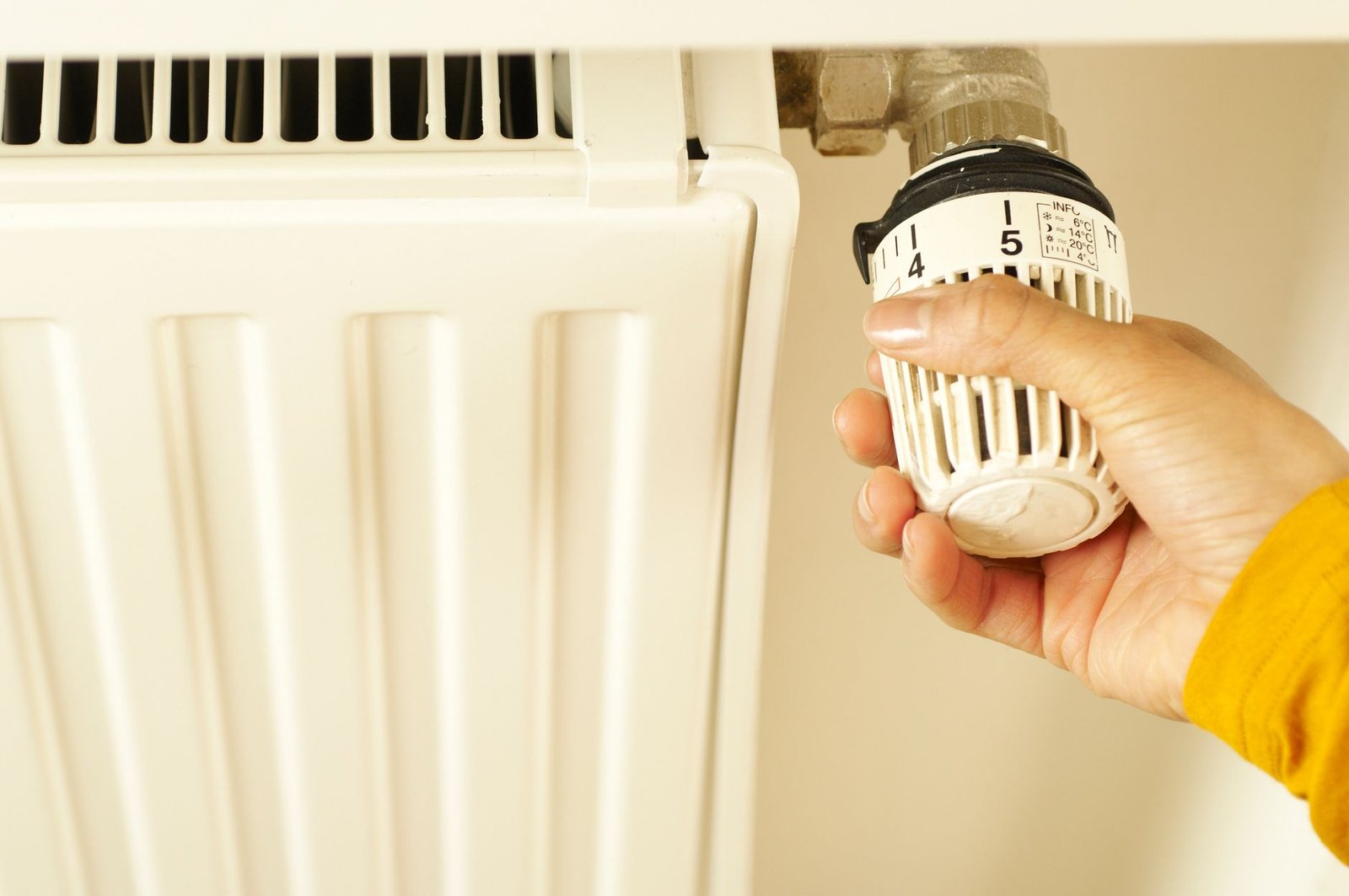
In 2026, both Google Nest and Ecobee smart thermostats offer substantial energy savings, with the superior choice often depending on specific residential needs, existing smart home ecosystems, and preferred interaction styles. While both leverage advanced technology for efficiency, their core approaches to achieving these savings differ significantly. Neither device holds an absolute, universal lead; rather, optimal energy conservation is achieved when the chosen system aligns seamlessly with a homeowner’s lifestyle and property characteristics.
Energy-Saving Features and Technologies in 2026
The landscape of smart home climate control has evolved significantly by 2026, with both Google Nest and Ecobee integrating sophisticated AI and machine learning algorithms to optimize energy consumption. These advancements move beyond simple scheduling, offering predictive capabilities and reactive adjustments to minimize waste.
Google Nest: Adaptive Learning and Presence Detection
Google Nest thermostats, particularly the premium models, continue to excel with their signature adaptive learning capabilities. The device observes the resident’s temperature preferences over time, automatically building and refining an optimal schedule without requiring manual input. This ‘Auto-Schedule’ feature has become even more robust by 2026, incorporating granular data from local weather forecasts, grid demand signals, and even the thermal inertia of the dwelling, which is increasingly understood through AI-driven models of building envelopes. Its ‘Home/Away Assist’ feature, leveraging geofencing from connected mobile devices and on-device occupancy sensors, ensures that energy is not wasted heating or cooling an empty residence. Newer iterations feature enhanced multi-zone sensor arrays, allowing for more precise localized temperature management.
- Predictive Scheduling: AI analyzes historical data, weather patterns, and utility rate structures to anticipate heating/cooling needs.
- Advanced Occupancy Sensing: Utilizes sophisticated radar-based or thermal imaging sensors for accurate presence detection, minimizing false activations.
- HVAC Monitoring: Proactive alerts regarding system performance and maintenance reminders, crucial for maintaining optimal efficiency.
- Sunblock: Automatically adjusts temperature to compensate for direct sunlight heating, preventing unnecessary cooling cycles.
Ecobee: Sensor-Driven Intelligence and Grid Optimization
Ecobee thermostats distinguish themselves with their reliance on external room sensors and a strong emphasis on grid-responsive energy management. By 2026, Ecobee’s remote sensors are more compact, longer-lasting, and can detect not only occupancy but also ambient light and humidity, providing a more comprehensive environmental picture. The ‘Follow Me’ feature ensures comfort where it matters most by averaging temperatures across occupied rooms. The most significant advancements lie in Ecobee’s ‘Eco+’ suite, which leverages partnerships with energy providers and regional grid operators. This feature intelligently adjusts temperature during peak demand periods or when renewable energy sources are abundant, participating in demand response programs to save residents money and reduce strain on the power grid.
- Multi-Room Sensor Network: Distributes sensors throughout the home for more accurate temperature averaging and occupancy detection.
- Eco+ Grid Optimization: Integrates with utility time-of-use rates and demand response programs, automatically shifting energy consumption.
- Enhanced Geofencing: Utilizes precise location data to pre-condition the home before residents arrive, or set back temperatures upon departure.
- Air Quality Monitoring Integration: Select Ecobee models now offer integrated air quality sensors, linking HVAC usage to indoor air conditions for healthier, more efficient environments.
Smart Home Integration and Ecosystem Compatibility
The ability of a smart thermostat to seamlessly integrate into an existing smart home ecosystem is a critical factor influencing both convenience and overall energy efficiency in 2026. Interoperability protocols like Matter are becoming standard, promising broader compatibility, yet proprietary ecosystem strengths remain relevant.
Nest’s Google Home/Assistant Integration
Google Nest thermostats are deeply embedded within the Google Home ecosystem. For residents who primarily use Google Assistant devices, Android mobile phones, and other Google-branded smart home products, the Nest thermostat offers unparalleled integration. This allows for unified voice control, routine automation, and centralized management through the Google Home app. The synergy extends to other Nest devices, such as cameras and smoke detectors, potentially allowing for more nuanced home/away status detection and integrated safety protocols. The transition to Matter-enabled devices strengthens this ecosystem further, ensuring forward compatibility.
- Unified Google Home Experience: Seamless control and automation alongside other Google-powered devices.
- Enhanced Voice Control: Responsive and context-aware interactions via Google Assistant.
- Cross-Device Automation: Create complex routines involving lighting, security, and climate control with ease.
Ecobee’s Broad Compatibility
Ecobee has historically pursued a more open approach to smart home integration, supporting Amazon Alexa, Apple HomeKit, Google Assistant, SmartThings, and IFTTT. This makes Ecobee an attractive option for residents with mixed-brand smart home setups or those not exclusively tied to a single tech giant’s ecosystem. The broad compatibility ensures flexibility, allowing the homeowner to choose their preferred voice assistant or smart home hub. With the widespread adoption of the Matter standard in 2026, Ecobee’s commitment to open protocols positions it well for even greater future interoperability.
- Multi-Platform Support: Works with major voice assistants and smart home platforms.
- Matter Protocol Ready: Ensures long-term compatibility and flexibility with future smart home devices.
- API Access: Offers robust developer APIs for advanced custom automations and integrations.
Cost-Effectiveness and Return on Investment in 2026
Evaluating the cost-effectiveness of a smart thermostat involves considering not just the initial purchase price but also installation costs, potential energy savings, and available incentives over its lifespan.
Initial Investment and Installation
Both Nest and Ecobee offer various models at different price points, ranging from entry-level options focused on basic smart features to premium devices with advanced sensors and touchscreens. Generally, the initial hardware cost is comparable between similarly featured models. Installation can be a DIY project for residents with basic electrical knowledge, as both companies provide clear instructions. However, complex HVAC systems or older wiring might necessitate professional installation, adding to the initial outlay. By 2026, professional installation services are increasingly streamlined, often including system optimization for local conditions.
Long-Term Savings and Incentives
The true return on investment comes from energy savings. While specific figures vary widely based on climate, home insulation, HVAC efficiency, and resident behavior, both Nest and Ecobee typically report average annual savings of 10-20% on heating and cooling costs. Ecobee’s stronger emphasis on utility partnerships and demand response programs can sometimes offer additional monetary incentives or credits from energy providers, which are more prevalent in 2026. Residents should research local utility rebates and government incentives for smart thermostat installations, which remain strong drivers for adoption in the current year, often offsetting a significant portion of the upfront cost. The longevity of modern smart thermostats, featuring durable, sometimes recycled, polymer casings and robust internal components, also contributes to long-term value.
Emerging Trends and Future Outlook
The smart thermostat market in 2026 is influenced by several key trends that will shape future energy savings and functionality.
AI and Predictive Analytics
The role of artificial intelligence is deepening. Future iterations will offer even more sophisticated predictive capabilities, learning not just preferences but also anticipating equipment wear and suggesting preventative maintenance before breakdowns occur. Integration with hyper-local microclimates and real-time grid conditions will allow for even finer-tuned energy optimizations, potentially predicting energy prices hours in advance to pre-condition a home during off-peak windows.
Sustainable Materials and Longevity
There is a growing industry emphasis on sustainability. Manufacturers are increasingly using recycled plastics, sustainable metals, and modular designs that facilitate easier repairs and upgrades, extending product lifespans and reducing electronic waste. This focus on material innovation not only aligns with environmental goals but also contributes to the long-term value proposition for residents.
Integration with Renewable Energy Systems
As residential solar panels and battery storage systems become more common, smart thermostats are evolving to integrate seamlessly with these setups. This allows for intelligent energy management that prioritizes using self-generated renewable energy, potentially charging batteries during sunny periods and drawing from them during peak grid demand, further enhancing energy independence and savings.
Ultimately, choosing between Google Nest and Ecobee in 2026 involves weighing specific priorities. For residents deeply embedded in the Google ecosystem and preferring a highly adaptive, ‘set-it-and-forget-it’ learning experience, Nest remains a compelling choice. For those prioritizing broader smart home compatibility, granular control via external sensors, and direct participation in grid optimization programs, Ecobee often presents a more tailored solution. Both systems are powerful tools for achieving significant energy savings, and the optimal selection will align with the individual residence’s unique requirements and the homeowner’s desired level of interaction.