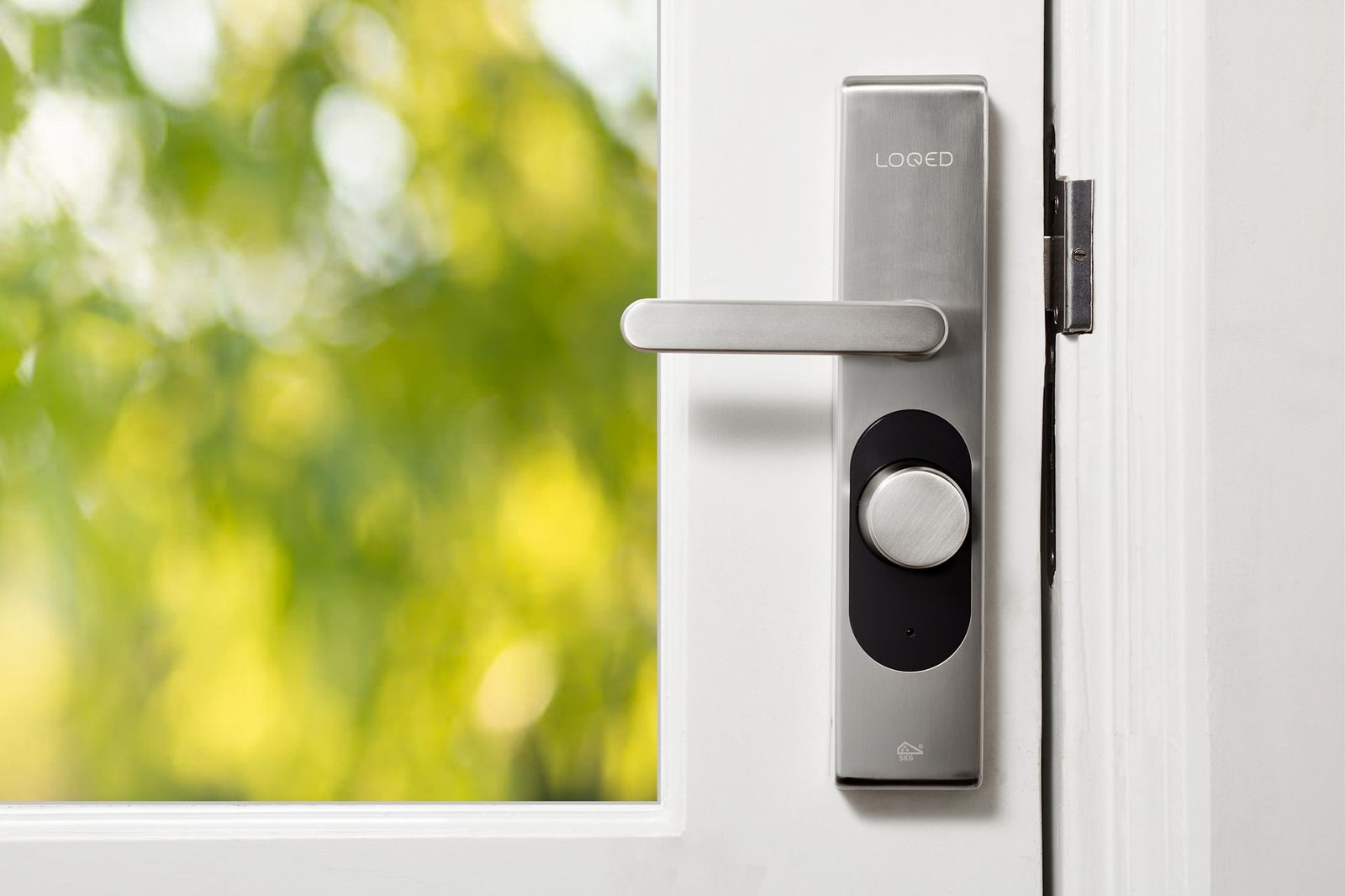
For Airbnb hosts in 2026, the optimal smart lock solution is one that seamlessly integrates advanced security protocols with intuitive remote management capabilities and robust booking platform synchronization. This sophisticated integration ensures efficient guest access, enhanced property security, and streamlined operational workflows. The selection process demands careful consideration of connectivity standards, material durability, and user experience, all critical factors for modern short-term rental management.
The Evolving Landscape of Smart Locks in 2026
The year 2026 marks a pivotal period for smart home connectivity, with Matter and Thread protocols becoming the industry standard for inter-device communication. This ensures universal compatibility across various smart home ecosystems, liberating hosts from proprietary silos and promoting a more stable, responsive network environment for their smart locks. The integration of Wi-Fi 7 is also prevalent, offering ultra-low latency and enhanced bandwidth, which is particularly beneficial for real-time remote monitoring and high-definition video doorbell integrations often paired with smart locks. This robust connectivity foundation means faster response times for remote lock/unlock commands and more reliable data transmission for activity logs, significantly improving the host’s control and visibility over their property’s access points.
Enhanced Security and Biometric Integration
Security remains paramount, and 2026 smart locks boast significantly enhanced end-to-end encryption protocols, making unauthorized access virtually impossible. AI-driven anomaly detection is now a standard feature, capable of identifying and alerting hosts to unusual access patterns or potential tampering attempts. Furthermore, biometric integration, once a premium novelty, has become highly refined and widely adopted. Advanced fingerprint scanners and even compact facial recognition modules offer unparalleled convenience and security, providing guests with keyless entry that is both intuitive and highly secure, while allowing hosts to manage unique access credentials with precision.
Sustainable Materials and Predictive Maintenance
Modern material developments in 2026 emphasize sustainability and durability. Smart locks are increasingly constructed from high-grade, recycled polymers and sustainable metal alloys, often treated with anti-microbial coatings for hygiene. These materials are engineered for superior weather resistance, ensuring consistent performance in diverse climates, from arid deserts to humid coastal regions. Design aesthetics have also evolved, favoring sleek, minimalist profiles that blend seamlessly with contemporary architectural styles. Another significant trend is the rise of AI-powered predictive maintenance. Algorithms monitor the lock’s health, battery status, and usage patterns, proactively alerting the host to potential issues before they impact guest experience, ensuring uninterrupted operation and reducing maintenance costs.
Essential Features for Airbnb Hosting in 2026
For a smart lock to truly excel in an Airbnb environment, it must offer a specific suite of functionalities tailored to the unique demands of short-term rentals.
- Remote Access Management: The ability to lock or unlock the door, check its status, and manage settings from any location via a smartphone application is non-negotiable. This provides unparalleled control for the host, allowing for immediate responses to guest needs or security concerns.
- Automated Guest Code Generation and Management: This feature is a cornerstone of efficient Airbnb operations. The system should automatically generate unique, time-sensitive access codes for each guest, linked directly to their booking details. These codes should activate precisely at check-in and automatically expire at check-out, eliminating manual intervention and enhancing security.
- Seamless Booking Platform Integration: The most effective smart locks in 2026 offer direct API integration with major booking platforms (e.g., Airbnb, Booking.com) and leading Property Management Systems (PMS). This allows for automatic provisioning of guest codes, synchronized calendars, and streamlined communication, reducing administrative burden.
- Comprehensive Activity Logs: Detailed, timestamped records of all entry and exit events are crucial for security and accountability. These logs provide invaluable insights into who accessed the property and when, offering peace of mind to the host.
- Multi-Access Options: While keypad codes are standard, modern locks provide diverse entry methods including mobile app control, NFC, and increasingly reliable biometric options. A readily accessible mechanical key override is essential as a universal backup in case of power outages or system malfunctions.
- Durability and Weather Resistance: Given the high traffic of rental properties, the lock must be constructed from robust, high-quality materials designed to withstand frequent use and varied environmental conditions without degradation.
- Extended Battery Longevity and Notifications: Long-lasting battery performance, often measured in months or even a year on a single charge, is vital. Proactive alerts for low battery power ensure that replacement can occur before any service interruption, preventing guest inconvenience.
Top Smart Lock Archetypes for Airbnb Hosts in 2026
The 2026 market presents several categories of smart locks, each catering to different host needs and property types.
The Premium Integration Hub
These smart locks represent the pinnacle of smart home security and management for discerning hosts. They prioritize seamless integration with extensive smart home ecosystems and advanced Property Management Systems. Expect full support for Matter and Thread protocols, robust Wi-Fi 7 connectivity, and expansive API capabilities. Biometric options, such as refined multi-fingerprint scanners or compact facial recognition modules, are standard, offering unparalleled convenience and security. Constructed from high-durability sustainable alloys, these locks often feature proactive AI-driven diagnostics for predictive maintenance. Their sophisticated algorithms can even learn guest patterns to optimize energy usage within the property. An example of this archetype might be the ‘AuraFlow Pro 360’, known for its advanced features and holistic smart home synergy.
The Reliable Remote Manager
Designed with the core Airbnb host needs in mind, these locks offer an excellent balance of remote access, automated guest code generation, and robust activity logging. While potentially less feature-rich than premium models, they excel in consistent performance and strong direct integration with popular booking platforms. Hosts can expect highly durable composite construction, extended battery life, and intuitive mobile applications for comprehensive control. Installation is typically straightforward, and their reliability makes them a popular choice for busy property managers. The ‘HostGuard Connect’ is a hypothetical example of this archetype, renowned for its steadfast performance and integration focus.
The Efficient & Accessible Choice
For hosts seeking a balance between cost-effectiveness and essential functionality, this category provides reliable keypad access, mobile app control, and fundamental remote management capabilities. Integration typically occurs via established Wi-Fi or Bluetooth hubs, offering a solid foundation for secure guest entry without the premium overheads of more advanced systems. These locks prioritize ease of installation and user-friendly interfaces, making them accessible for hosts new to smart home technology or managing multiple properties on a tighter budget. They often focus on core security and access features, delivering consistent performance without unnecessary complexities. A hypothetical product exemplifying this archetype is the ‘EchoLock Essential’, valued for its reliability and efficiency.
Selecting the Ideal Smart Lock for Specific Properties
Choosing the correct smart lock involves tailoring the decision to the specific attributes of the property and its intended guest experience.
- Property Footprint: For larger properties or those with multiple access points, the mesh networking capabilities of Thread and Matter-compatible locks are highly beneficial, extending range and enhancing signal stability.
- Guest Demographics: Properties catering to tech-savvy guests might leverage advanced biometric features, while simpler keypad systems or mobile app controls may be more universally appealing to all demographics.
- Budgetary Considerations: Hosts must balance the upfront investment with the long-term operational efficiencies and the potential for enhanced guest satisfaction. Higher-end locks often justify their cost through advanced features and reduced manual oversight.
- Existing Smart Home Ecosystem: Compatibility with established smart home hubs such as Apple Home, Google Home, or Amazon Alexa streamlines management and allows for a cohesive automation strategy across the property.
- Local Climate: Extreme temperatures, high humidity, or coastal environments necessitate locks with superior weatherproofing and material resilience to ensure longevity and consistent performance.
Future-Proofing Smart Lock Investments
To ensure a smart lock investment remains relevant and functional in the rapidly evolving technological landscape, several factors should be considered for future-proofing.
- Adoption of Open Standards: Prioritizing locks compatible with open standards like Matter and Thread ensures future interoperability with a broader range of smart home devices and reduces the risk of proprietary lock-in. This offers greater flexibility as technology advances.
- Over-the-Air (OTA) Updates: The capability for regular software updates via OTA is crucial for security enhancements, feature additions, and compatibility with evolving booking platforms and smart home ecosystems. A lock that can be updated wirelessly extends its useful life significantly.
- Modular Design: Some advanced locks are incorporating modular components, allowing for hardware upgrades (e.g., new biometric sensors or communication modules) without requiring the replacement of the entire unit. This extends the lifespan of the initial investment.
- Data Privacy: Hosts should rigorously evaluate a smart lock’s data handling policies. Ensuring that guest access data and activity logs are securely managed, encrypted, and compliant with evolving global data privacy regulations (e.g., GDPR-like standards common in 2026) is paramount for both ethical operation and legal compliance.
Choosing the best smart lock for Airbnb hosts in 2026 involves a strategic evaluation of security, convenience, and integration capabilities. The market now offers advanced solutions designed for seamless property management, from automated guest access to sophisticated predictive maintenance. By prioritizing robust remote control, comprehensive integration with booking platforms, and future-ready technology standards, property managers can significantly enhance guest experience, operational efficiency, and overall property security in the dynamic short-term rental landscape.