
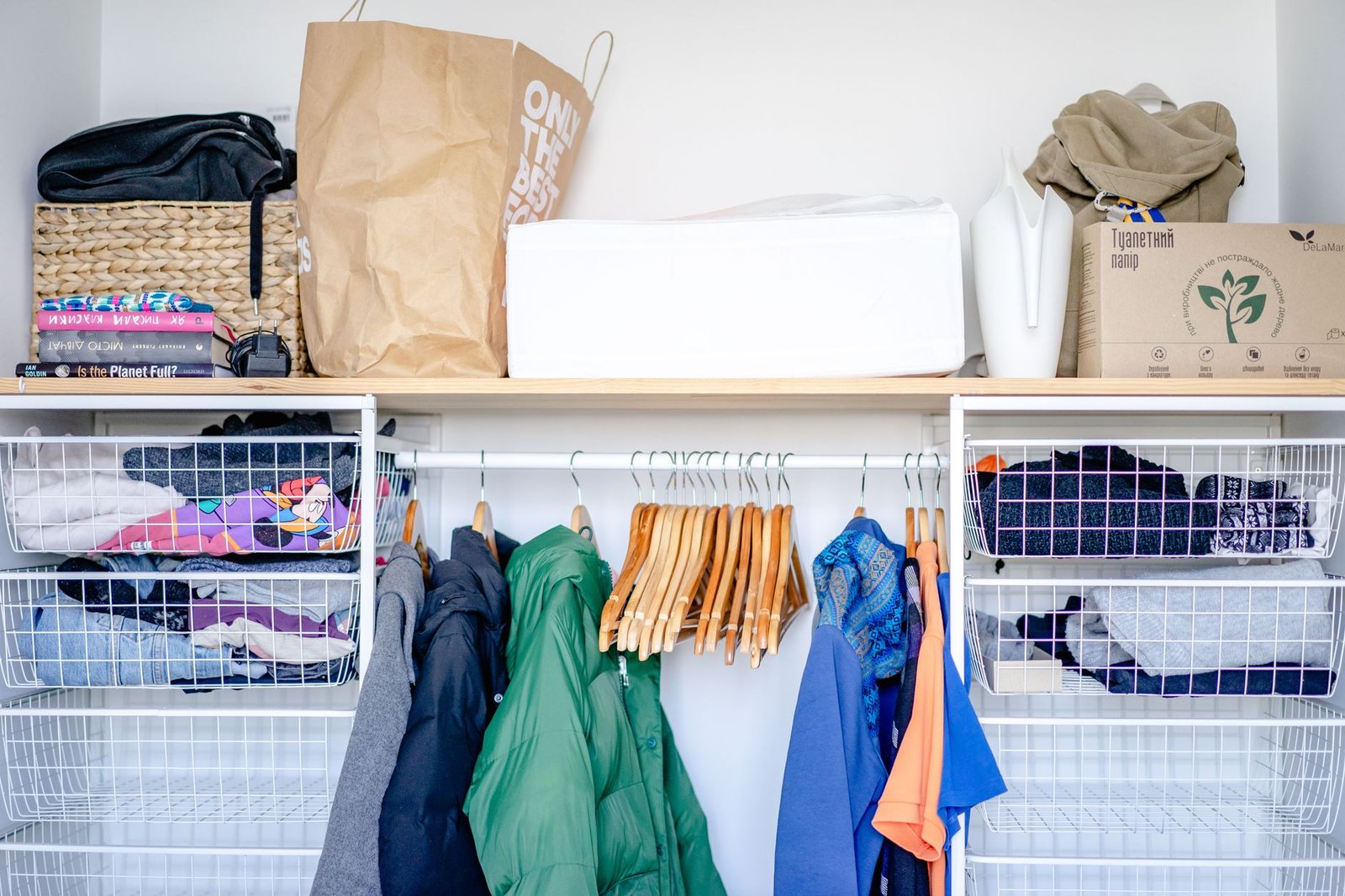
An overstuffed hall closet is a common challenge for many households, often leading to cluttered entryways and a less-than-welcoming first impression. Fortunately, transforming this often-neglected space into an organized, highly functional asset is entirely achievable with strategic planning and the integration of modern storage solutions. This article explores six smart storage hacks specifically tailored for 2026 homeowners, leveraging contemporary design principles, innovative materials, and smart technology to maximize every inch of the hall closet.
Maximizing Every Inch: The 2026 Approach to Hall Closets
In 2026, home organization transcends mere tidiness; it’s about optimizing flow, enhancing accessibility, and integrating sustainable practices. The hall closet, a critical transition zone, benefits immensely from a thoughtful approach that considers both aesthetics and utility.
1. The Vertical Advantage: Custom and Modular Systems
The ceiling-to-floor potential of any closet is its greatest untapped resource. For 2026 homes, customizable vertical storage systems are paramount. These solutions move beyond fixed shelving, offering adjustable rods, shelves, and baskets that can be reconfigured as storage needs evolve. Current trends favor systems crafted from lightweight, high-strength recycled aluminum or composite materials, often featuring slim-profile brackets that minimize visual bulk. Engineered wood, sourced sustainably, also offers robust and aesthetically pleasing options. The resident can effortlessly tailor compartments for varying item heights, from seasonal coats to tall boots, ensuring no vertical space is wasted.
2. Smart Door Solutions: Beyond Basic Hooks
The back of the hall closet door is prime real estate often underutilized. Modern door-mounted organizers for 2026 are highly sophisticated. Rather than simple hooks, these systems feature slim-profile designs with specialized compartments: breathable mesh pockets (made from recycled PET) for shoes, magnetic strips for key fobs and small metal items, and even integrated charging pockets for small portable devices. Some advanced models include shallow shelves for mail or outgoing packages, all designed to maintain a sleek appearance when the door is closed, preventing visual clutter in the entryway.
3. Drawer Dividers & Pull-Out Perfections
Clutter often accumulates in the depths of a closet. The solution lies in making these areas accessible and organized. Soft-close, pull-out wire baskets and drawers are essential. Wire baskets, frequently made from recycled steel, provide excellent visibility and airflow, ideal for scarves, hats, or sports equipment. For smaller items, drawers with integrated, adjustable dividers made from sustainable bamboo or molded recycled plastic ensure every item has its designated spot. Clear, durable polymer containers, stackable and easily visible, further enhance the organization, allowing the homeowner to quickly identify contents without extensive searching.
Streamlining Access and Enhancing Functionality
Beyond simply holding items, the modern hall closet is designed for efficient access and a seamless user experience, reflecting the fast-paced lives of contemporary households.
4. Zonal Organization: Purpose-Built Compartments
Effective hall closet organization hinges on creating distinct zones for different item categories. This means dedicated areas for outerwear, segmented shoe storage (with options for boots and everyday footwear), specific bins for accessories like gloves and umbrellas, and a separate, easily accessible section for cleaning supplies or pet essentials. In 2026, this concept extends to specialized inserts: slim umbrella stands that click into place, modular bins for pet leashes and treats, or even small, integrated charging hubs for household gadgets. This strategic division reduces chaos and ensures every item has a logical home.
5. Illuminating Interiors: Integrated Lighting & Sensors
Visibility is key to a functional closet. Dark corners often lead to overlooked items and disorganization. For 2026, motion-activated LED lighting strips are a standard upgrade. These energy-efficient solutions illuminate the entire space upon opening, making it easy to find items without fumbling for a switch. Modern designs are sleek, easy to install, and often rechargeable, reflecting a commitment to both convenience and sustainable energy consumption. Enhanced lighting not only improves functionality but also makes the closet feel more inviting and less like a cavernous storage space.
6. Digital & Visual Inventory: Modern Labeling Strategies
The final layer of sophisticated organization for the 2026 hall closet involves intelligent inventory management. While physical labels remain critical, their execution has evolved. Durable, aesthetic labeling systems, such as laser-etched labels on custom bins or stylish, reusable tags, provide clear identification. For larger or less frequently accessed items, a simple digital inventory system using QR codes on storage containers can be implemented. A quick scan with a smartphone allows the resident to view contents without physically opening or moving boxes. Color-coding for different family members or item categories also offers an immediate visual cue, significantly streamlining retrieval and restocking processes.
Embracing a Clutter-Free Future
An overstuffed hall closet is no longer an inevitable part of homeownership. By integrating these six smart storage hacks, residents can transform their entryways into highly functional, aesthetically pleasing spaces. The commitment to vertical maximization, smart door solutions, sophisticated drawer systems, zonal organization, integrated lighting, and modern inventory strategies ensures that the hall closet serves its purpose with efficiency and elegance. Embracing these 2026 trends in organization not only declutters the physical space but also contributes to a more serene and enjoyable domestic environment, truly enhancing the overall comfort and flow of the home.