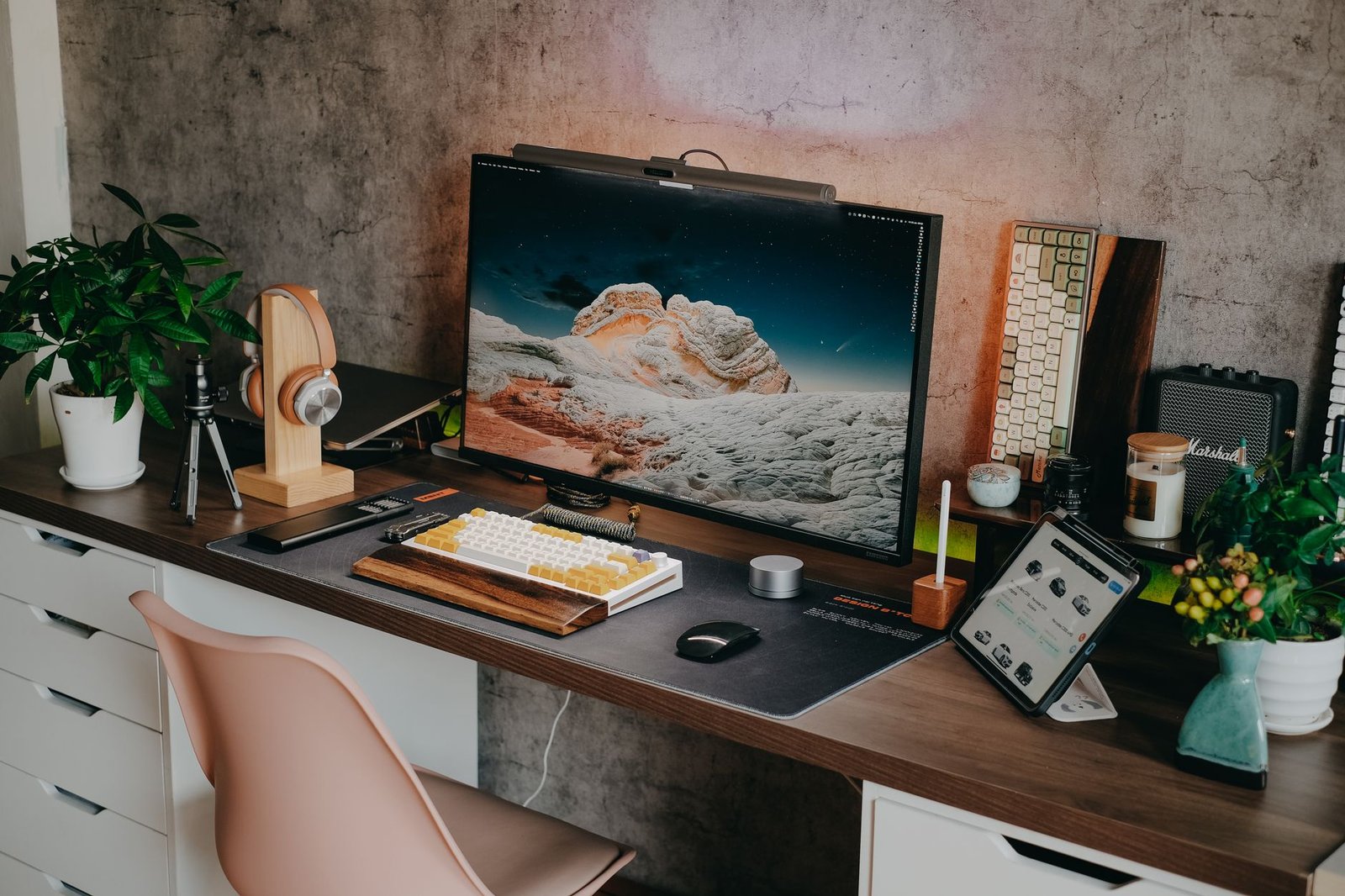
A disorganized home office can significantly hinder focus and productivity. In 2026, maintaining a clutter-free and efficient workspace is more crucial than ever for residents navigating hybrid work models or full-time remote roles. This article presents six practical and aesthetically pleasing desk organization ideas, incorporating modern materials and industry trends, to help homeowners achieve a productive and harmonious home office environment.
Embracing Smart Storage Solutions for the Modern Home Office
Effective organization begins with intelligent storage. The resident’s goal should be to minimize visible clutter while ensuring essential tools remain accessible. The year 2026 brings innovations in storage that combine functionality with advanced design.
1. Vertical Integration with Modular Shelving and AI-Powered Drawers
Maximizing vertical space is a cornerstone of efficient desk organization. Instead of spreading items horizontally, which consumes valuable desktop real estate, residents should look upwards. Modular shelving units, particularly those crafted from lightweight, recycled composites or sustainably sourced bamboo, offer flexible configurations that can adapt to evolving storage needs. These systems allow for easy rearrangement of shelves and cubbies, accommodating various items from documents to decorative elements.
A notable trend for 2026 includes the integration of smart, AI-powered drawer systems. These can catalog contents, remind the user of misplaced items, or even suggest optimal storage locations based on usage patterns. Such intelligent drawers, often featuring soft-close mechanisms and sleek, handle-less designs, contribute to a minimalist aesthetic while offering unparalleled organizational prowess.
2. Discreet Cable Management Systems with Integrated Charging
Tangled cables are a notorious source of visual clutter and can complicate workstation tidiness. In 2026, advanced cable management solutions are not just about hiding wires but integrating them seamlessly into the desk environment. Options include under-desk cable trays made from durable recycled plastics, flexible cable spines that guide wires neatly down to floor outlets, and integrated desktop grommets with built-in power outlets and USB-C ports.
A significant development is the widespread adoption of wireless charging pads seamlessly embedded into desktop surfaces. These eliminate the need for charging cables for compatible devices, offering a truly uncluttered look. Furthermore, innovative cable wraps made from bio-based polymers are gaining popularity, providing an eco-friendly and aesthetically pleasing way to bundle wires together, ensuring a clean and safe workspace for the homeowner.
Optimizing the Desktop Surface for Peak Performance
The desk surface itself is the primary activity zone, and its organization directly impacts focus. Thoughtful placement and digital discipline are key to maintaining an effective workspace.
3. Ergonomic Accessory Hubs and Personalized Tool Organizers
Consolidating small, frequently used items into a single, well-designed hub can drastically reduce desktop clutter. Consider multi-functional desk organizers that combine pen holders, sticky note dispensers, and phone stands. For 2026, the emphasis is on personalized ergonomic designs, with custom-moldable organizers crafted from sustainable materials like recycled aluminum or cork composites. These can be tailored to the resident’s specific tools and workflow.
An ergonomic monitor stand with integrated storage, often featuring drawers or shelves underneath, elevates display screens to an optimal viewing height while providing discreet storage for notebooks, external hard drives, or keyboard when not in use. These stands, frequently designed with sleek lines and modern finishes, contribute to both comfort and organization for the user.
4. Digital Decluttering and Cloud Integration Strategies
Physical desk organization is only half the battle; digital clutter can be equally detrimental to productivity. The homeowner must commit to regular digital decluttering. This involves organizing computer files into logical folders, deleting unnecessary documents, and establishing a consistent naming convention for digital assets. Cloud storage solutions have become more sophisticated in 2026, offering advanced AI-driven search capabilities and seamless cross-device synchronization.
Implementing a routine for digital file management – perhaps dedicating 15 minutes at the end of each week – ensures that the resident’s digital workspace mirrors the tidiness of their physical one. Utilizing task management software and digital note-taking applications can further reduce the reliance on physical paper, making the workspace inherently cleaner and more efficient.
Personalization and Aesthetic Harmony in the Home Office
Beyond pure functionality, the aesthetic appeal of a home office significantly contributes to comfort and motivation. Integrating personal style while maintaining order fosters a more inviting and productive environment.
5. Zone-Based Organization and Biophilic Design Elements
Dividing the desk and surrounding area into distinct zones for different tasks (e.g., a