For homeowners seeking a unified control center for their diverse smart devices, the question of which smart home hub offers the most seamless integration with both Google Home and Alexa ecosystems in 2026 is paramount. While several platforms have evolved significantly, the Samsung SmartThings Hub (often integrated into specific Samsung appliances and standalone Aeotec units) and the Homey Pro stand out as particularly robust choices, each offering extensive device compatibility and powerful automation capabilities that cater to the comprehensive needs of residents leveraging both major voice assistants.
Understanding the 2026 Smart Home Ecosystem
The landscape of smart home technology in 2026 is characterized by unprecedented interoperability, advanced artificial intelligence, and a heightened focus on privacy and security. These advancements directly influence the capabilities and effectiveness of smart home hubs as central controllers.
Evolution of Connectivity Standards
The year 2026 sees the **Matter protocol** fully mature and widely adopted across the industry. This universal language for smart devices, built upon IP, significantly simplifies device pairing and enhances cross-platform compatibility. Alongside Matter, **Thread** has become a ubiquitous, self-healing mesh networking protocol for low-power devices, providing robust and efficient communication. Wi-Fi 7 (802.11be) is also increasingly prevalent for high-bandwidth devices like security cameras and streaming hubs, offering lower latency and higher throughput, though Thread and Zigbee remain dominant for sensors and switches. Z-Wave Long Range (Z-Wave LR) also offers extended reach for specific devices, proving beneficial in larger residences or landscape architectures.
AI and Predictive Automation
Smart home hubs in 2026 leverage sophisticated local AI processing, moving beyond simple ‘if-then’ routines. This allows for predictive maintenance alerts for appliances, truly personalized climate control based on granular occupancy data from radar or thermal sensors, and adaptive lighting tuned to circadian rhythms that also considers interior material reflectivity and color temperature. These local AI capabilities reduce reliance on cloud services for critical automations, enhancing speed, reliability, and data privacy. The integration of domestic comfort analytics through these AI systems allows for environments that proactively adjust to resident preferences and external conditions.
Enhanced Privacy and Security
With increasing connectivity comes a greater emphasis on data privacy and cybersecurity. Modern hubs feature enhanced on-device processing to keep sensitive data local, encrypted communication protocols as standard, and robust data privacy controls that are transparent and user-configurable. This architectural shift minimizes the exposure of personal data to cloud servers, providing peace of mind for the homeowner.
Top Contenders for Google Home & Alexa Integration
When selecting a smart home hub designed to seamlessly integrate with both Google Home and Alexa, several platforms demonstrate superior performance and versatility in 2026.
Samsung SmartThings (Aeotec Hub)
The Samsung SmartThings platform, often accessed through an Aeotec Smart Home Hub or integrated directly into modern Samsung appliances, remains a powerhouse for multi-protocol support. It offers excellent compatibility with Zigbee, Z-Wave, and now Matter devices, making it a highly adaptable choice for diverse smart ecosystems. Its strong existing links with both Google Home and Alexa allow for intuitive voice control and complex routine integration. The platform benefits from a large, active community and a vast array of compatible devices, providing extensive options for the resident. While some advanced automations may still rely on cloud processing, the platform’s reliability and broad appeal are significant advantages.
Homey Pro (2023 onwards model)
The Homey Pro (specifically the models released from 2023 onwards) is a strong contender for those requiring unparalleled protocol support and powerful local processing. It boasts an impressive array of radios, including Wi-Fi, Bluetooth, Zigbee, Z-Wave, 433MHz, 868MHz, and crucially, full support for Matter and Thread. This breadth of connectivity means it can communicate directly with virtually any smart device, eliminating the need for multiple bridges. Homey Pro’s advanced ‘Flows’ engine allows for highly complex and conditional automations that execute locally, ensuring speed and reliability even without internet access. Its comprehensive Google Home and Alexa integrations facilitate sophisticated voice commands and unified control over a heterogeneous device environment. The initial investment is higher, and the interface offers a deeper level of customization that might require a slight learning curve for novice users, but its capabilities are truly extensive.
Hubitat Elevation Hub
For residents prioritizing privacy and local control, the Hubitat Elevation Hub is an excellent choice. It excels at local processing, meaning automations and device commands are executed on the hub itself, significantly reducing latency and reliance on cloud services. This focus on local execution enhances both security and responsiveness. Hubitat supports Zigbee, Z-Wave, and also integrates with Matter and Thread devices, offering substantial compatibility. Its integration with Google Home and Alexa is functional and reliable, though it may require slightly more configuration than cloud-first alternatives. The platform appeals to advanced users who appreciate its robust customizability and powerful rule engine, allowing for intricate automations tailored to precise domestic needs.
Considerations for Ecosystem-Specific Hubs
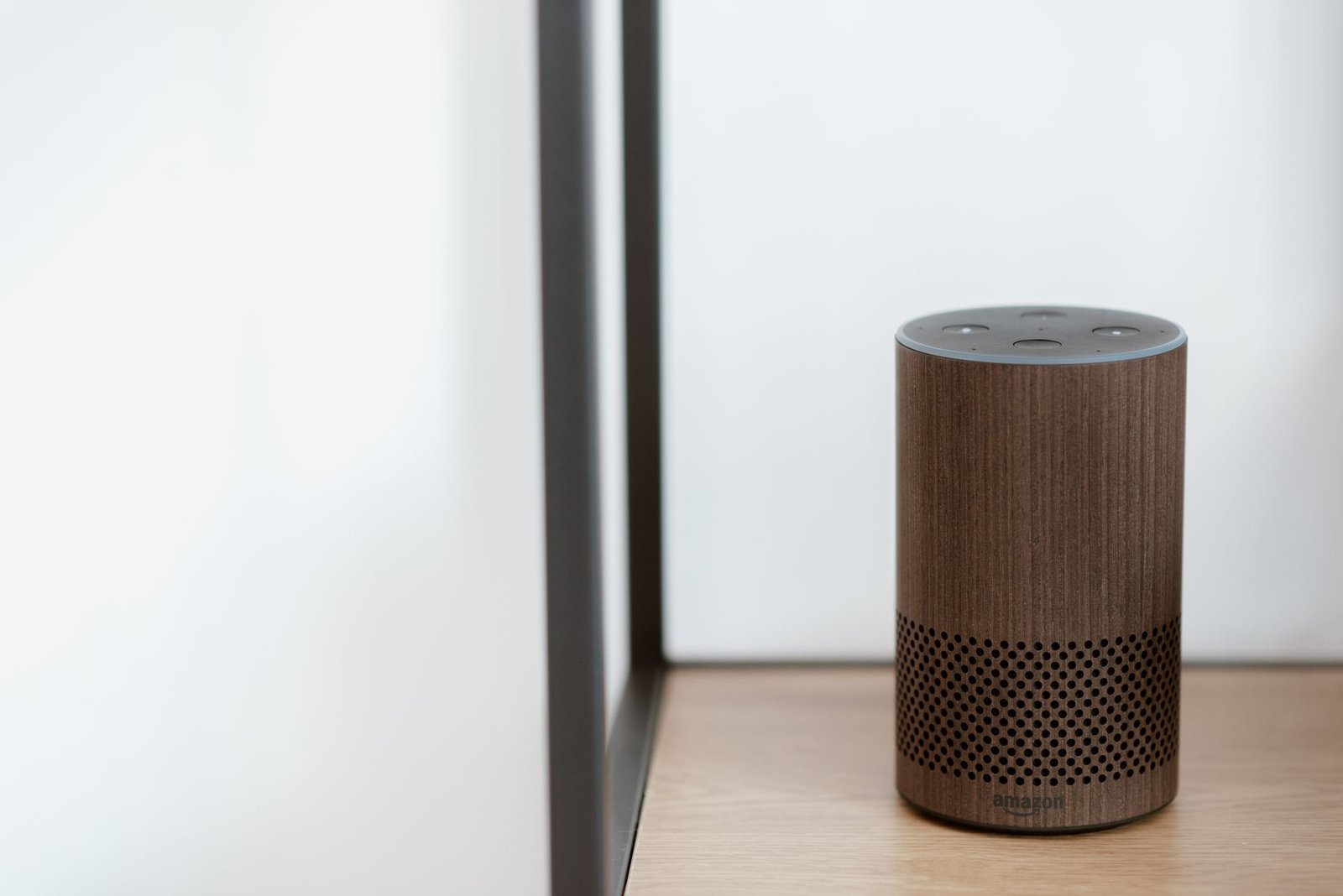
While devices like the Google Nest Hub Max or Amazon Echo Show offer compelling smart displays and voice assistants, it is important to clarify their role. These devices primarily serve as *controllers* and *interfaces* within their respective ecosystems, rather than true central *hubs* that consolidate various backend communication protocols (Zigbee, Z-Wave, etc.). A dedicated hub, such as those discussed, acts as the unifying brain, allowing these ecosystem-specific devices to simply act as command points for a broader range of connected smart home technologies.
Key Factors for Choosing the Ideal Hub
Making an informed decision requires evaluating several critical factors relevant to the homeowner’s specific environment and future aspirations.
Device Compatibility and Protocol Support
The primary consideration involves ensuring the chosen hub supports all existing and anticipated smart devices. The prevalence of **Matter** and **Thread** simplifies this, but robust support for legacy Zigbee and Z-Wave devices remains crucial for many established smart homes. A hub acting as a Matter Controller and Thread Border Router is essential for future-proofing.
Automation Capabilities and Customization
The ability to create simple routines and complex conditional logic is vital. Residents should assess whether a hub offers intuitive interfaces for basic automations or powerful scripting options for intricate scenarios involving multiple triggers, conditions, and actions. The hub’s capacity for predictive scheduling and adaptive environmental control via AI-driven analytics is also a significant differentiator in 2026.
Local Processing vs. Cloud Reliance
A preference for local processing impacts both the speed and reliability of automations, particularly during internet outages. It also plays a significant role in data privacy, as sensitive information remains within the resident’s local network. While some cloud interaction is inevitable for voice assistant integration, minimizing cloud dependency for core automations is a strong advantage.
Scalability and Future-Proofing
The chosen hub should be capable of expanding with the resident’s smart home ecosystem. This includes supporting a growing number of devices and accommodating new technologies as they emerge. A modular approach, with open standards and strong community support, often provides the best long-term investment.
Future-Proofing the Smart Home Investment
Ensuring a smart home setup remains relevant and functional for years to come requires strategic choices, particularly regarding the central hub.
Embracing the Matter Protocol
The Matter protocol is the cornerstone of future-proof smart homes. Selecting a hub that serves as a Matter Controller ensures compatibility with a rapidly expanding ecosystem of devices from various manufacturers, effectively breaking down traditional vendor lock-in and simplifying device management.
Modular Systems and Open Standards
Opting for hubs that embrace open standards and offer modularity allows for greater flexibility. This approach permits the resident to integrate new technologies or replace components without overhauling the entire system, leading to a more sustainable and adaptable smart home environment. This also extends to the physical integration of devices into interiors, favoring discreet, adaptable designs that can evolve with changing aesthetics and technological advancements, such as smart textiles for window treatments or modular, material-integrated charging solutions.
Sustainability and Energy Management
Modern smart home hubs are integral to achieving environmental goals within the residence. Many now offer detailed energy monitoring capabilities for connected devices and can integrate with smart grid initiatives for demand response, optimizing energy consumption. The selection of a hub from a manufacturer committed to using sustainable materials in their product lifecycle, such as recycled plastics and low-impact metals, further contributes to an eco-conscious domestic environment.
Conclusion
For residents navigating the advanced smart home landscape of 2026 and seeking optimal integration with both Google Home and Alexa, the choice of hub ultimately depends on individual priorities regarding complexity, cost, and a desire for local control. The **Samsung SmartThings Hub (Aeotec)** offers broad compatibility and ease of use, making it ideal for a wide range of users. The **Homey Pro** provides unmatched protocol support and powerful local automation for the discerning enthusiast. Meanwhile, the **Hubitat Elevation Hub** caters to those who prioritize privacy and robust local processing above all else. By carefully considering device compatibility, automation needs, and the importance of future-proofing through standards like Matter, residents can select a central controller that truly elevates their connected living experience, harmonizing technology with domestic comfort and sustainable living.