
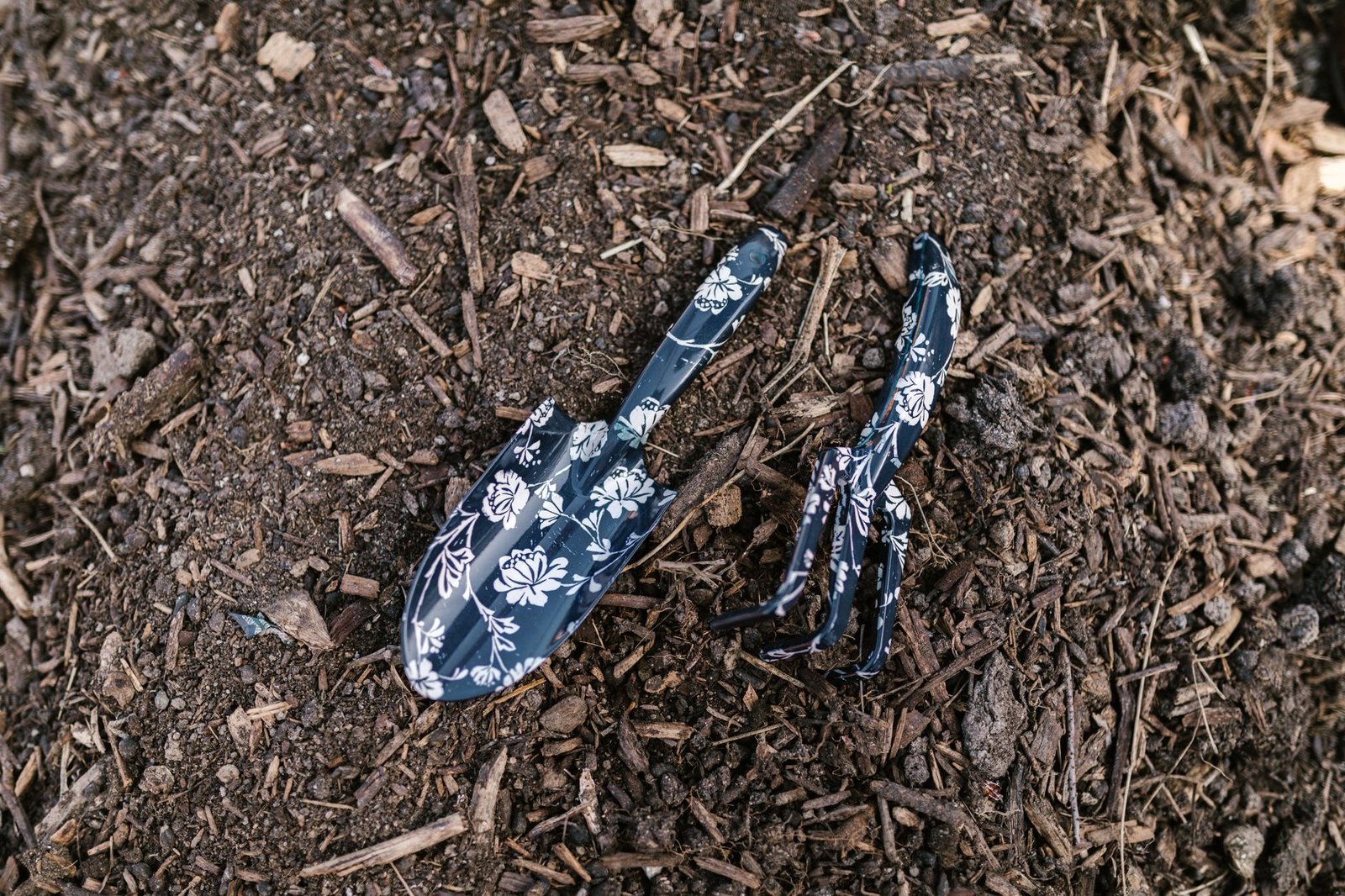
Preparing a garden for the colder months is a critical annual task that safeguards plant health and lays the groundwork for a robust growing season in 2027. This guide outlines seven essential steps for winterizing a garden in 2026, ensuring the landscape endures frigid temperatures and emerges revitalized in the spring. Implementing these crucial preparations protects botanical investments and supports the overall ecological balance of the outdoor space.
Preparing the Garden for Winter Dormancy
As autumn transitions into winter, the garden requires specific attention to enter its dormant phase successfully. Neglecting these fundamental steps can lead to significant plant loss, reduced vitality, and increased vulnerability to pests and diseases once warmer weather returns. Modern gardening practices in 2026 emphasize sustainability, efficiency, and leveraging advanced materials to optimize this crucial period.
Step 1: Thorough Cleanup and Strategic Pruning
The initial phase of winterization involves a comprehensive cleanup. Removing spent annuals, diseased foliage, and fallen debris is paramount. This action minimizes overwintering sites for pests and pathogens, significantly reducing potential issues for the following year. For perennial plants, ornamental grasses, and shrubs, strategic pruning is vital. Dead, damaged, or diseased branches should be removed to prevent entry points for infections. While some plants benefit from a hard prune, others, particularly those that flower on old wood, require a lighter touch. In 2026, biodegradable mulching films, often made from recycled plant fibers or cornstarch, are gaining popularity for use after cleanup, offering suppression of early weeds while enriching soil structure as they decompose.
Step 2: Nurturing Soil Health and Structure
Healthy soil is the foundation of a resilient garden. Winter offers an excellent opportunity to enrich and protect the soil. Applying a generous layer of organic compost, aged manure, or leaf mold before the first hard freeze insulates the soil, moderates temperature fluctuations, and slowly releases nutrients. For areas with depleted soil, incorporating cover crops such as winter rye or clover can prevent erosion, suppress weeds, and add organic matter when tilled under in spring. Advanced soil testing kits, accessible to the homeowner in 2026, provide precise data on nutrient deficiencies and pH levels, allowing for targeted amendments using sustainable, slow-release fertilizers or microbial inoculants that enhance soil biodiversity.
Protecting Garden Assets Through the Cold
Once the initial cleanup and soil preparation are complete, focus shifts to protecting the garden’s most vulnerable elements from the harsh realities of winter. This involves creating physical barriers and ensuring appropriate moisture levels to prevent desiccation and frost damage.
Step 3: Shielding Vulnerable Plants from Frost
Delicate plants, especially newly planted specimens, evergreens, and marginals, require extra protection from freezing winds and heavy snow. A substantial layer of mulch, such as straw, shredded leaves, or wood chips, around the base of plants helps insulate roots. For tender shrubs and small trees, burlap wraps provide a barrier against desiccation and frost heave. Innovative thermal blankets made from recycled plastics or bio-composites are available in 2026, offering superior insulation and breathability compared to traditional materials. Cloches or mini hoop tunnels, constructed from durable, UV-stabilized materials, can protect smaller plants and allow for extended growing seasons or earlier starts. The resident should ensure these protective measures do not trap excessive moisture, which can lead to rot.
Step 4: Managing Water Systems and Irrigation Shutdown
Proper water management is crucial before winter’s onset. While plants require moisture even in dormancy, overwatering can lead to root rot, and standing water can freeze and expand, damaging plant tissues. A thorough watering before the ground freezes solid ensures plants are hydrated. However, all irrigation systems must be completely drained and shut down to prevent pipes from freezing and bursting. This includes sprinkler systems, drip lines, and garden hoses. Smart irrigation controllers, standard in many contemporary homes in 2026, often feature freeze sensors that automatically halt operation and alert the homeowner, simplifying this critical task and preventing costly damage.
Maintenance and Forward Planning
Winterizing extends beyond plant care to include the essential tools and the strategic planning for the seasons ahead. These steps ensure longevity for equipment and continued evolution for the garden space.
Step 5: Garden Tool Maintenance and Storage
The end of the growing season is the ideal time to clean, sharpen, and store garden tools. Dirt and sap should be removed from all surfaces, especially blades, to prevent rust and the spread of diseases. Sharpening blades ensures efficient cutting and reduces strain on the user. Metal parts benefit from a light coat of oil to prevent corrosion. Power tools should have fuel drained or batteries removed and stored in a dry, protected environment. In 2026, many ergonomic tools feature lightweight, recycled composite materials and smart charging docks for battery-operated devices, emphasizing both user comfort and environmental responsibility. Proper storage in a dry, organized space prolongs the life of equipment and ensures readiness for spring tasks.
Step 6: Proactive Pest and Disease Management
Winterizing is also an opportunity for proactive pest and disease management. By removing diseased plant material and fallen leaves, the resident eliminates potential overwintering sites for many garden antagonists. Applying dormant oil sprays to fruit trees and some deciduous shrubs can suffocate overwintering insect eggs and fungal spores, reducing pest populations for the next season. Implementing an Integrated Pest Management (IPM) strategy, which focuses on prevention and eco-friendly controls, is a key trend in 2026. This includes introducing beneficial insects in early spring, selecting disease-resistant plant varieties, and maintaining vigilant garden hygiene. Utilizing advanced biological controls, such as targeted nematodes, is also becoming more accessible to the homeowner.
Step 7: Strategic Planning for the 2027 Season
While the garden sleeps, the homeowner can embark on the crucial task of planning for the 2027 growing season. This involves reviewing the past year’s successes and challenges, researching new plant varieties, and sketching out new garden layouts. Considering factors such as sun exposure, soil type, and desired aesthetic contributes to a well-conceived plan. Ordering seeds in late winter ensures availability of desired varieties, especially popular or heirloom types. Current trends in 2026 favor native plant selections for their resilience and ecological benefits, reducing the need for intensive care. Digital garden design software, some with augmented reality features, allows the resident to visualize changes and experiment with different plant placements before physically altering the landscape, optimizing both beauty and functionality.
Conclusion
Embarking on these seven essential steps to winterize a garden in 2026 ensures not only the survival of current plantings but also a vigorous start for the subsequent growing season. From meticulous cleanup and strategic pruning to nurturing the soil and protecting vulnerable plants, each action contributes to the overall health and resilience of the landscape. By leveraging modern materials and technologies while adhering to time-tested horticultural practices, the homeowner can safeguard their outdoor sanctuary, transforming it into a thriving space ready to flourish once again in 2027.