
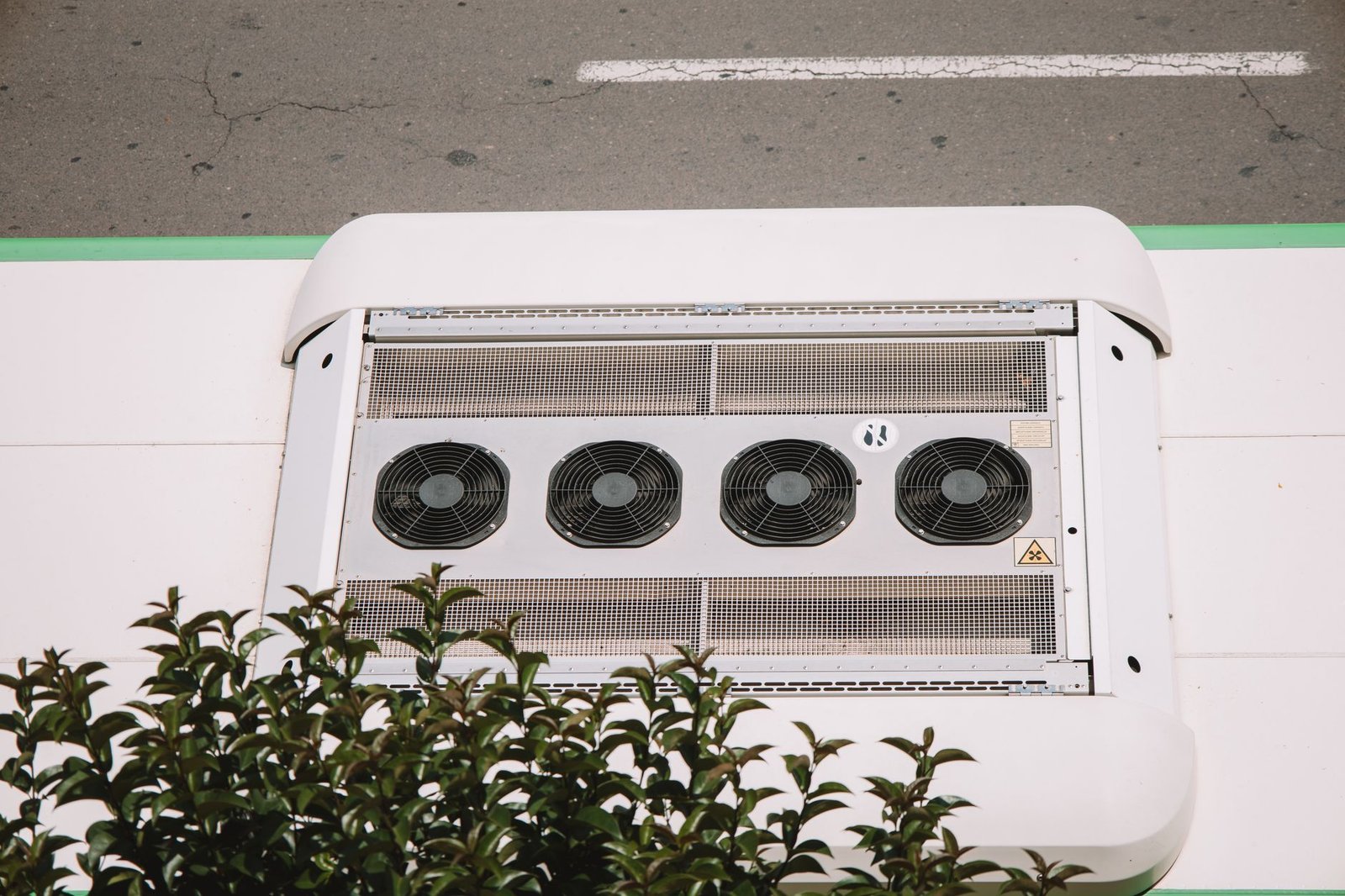
For homeowners seeking an energy-efficient and natural approach to home cooling in 2026, the whole-house fan stands out as a superior solution. The determination of the “best” whole-house fan depends on specific residential needs, climate conditions, and individual priorities, such as noise levels and smart integration capabilities. This article guides the resident through the top whole-house fan options available this year, focusing on their effectiveness, energy efficiency, and modern technological advancements to assist in making an informed selection.
Understanding Whole-House Fans in 2026
A whole-house fan operates by drawing cool outdoor air into the home through open windows and expelling hot, stale indoor air through the attic and out of the attic vents. This process creates a refreshing breeze and significantly lowers indoor temperatures, often making air conditioning unnecessary during cooler parts of the day or night. In 2026, the technology behind these systems has evolved considerably, moving far beyond the noisy, inefficient units of the past.
Modern whole-house fans prioritize ultra-quiet operation, advanced smart home integration, and unparalleled energy efficiency. The industry has witnessed a significant shift towards models featuring Electronically Commutated (EC) motors, which offer variable speed control and dramatically reduce energy consumption compared to traditional motors. Contemporary designs also incorporate advanced acoustic dampening materials and aerodynamic fan blade designs crafted from lightweight composites, ensuring that comfort is delivered with minimal sound intrusion. Furthermore, the emphasis on sustainable material sourcing and manufacturing processes aligns with current ecological priorities, making them an even more attractive option for the environmentally conscious homeowner.
The Energy Efficiency Advantage
One of the primary appeals of whole-house fans is their ability to deliver substantial energy savings. Operating a whole-house fan consumes significantly less electricity than a central air conditioning system, often by 75-90%. This makes it an ideal solution for residents in climates with moderate summers or those looking to reduce their carbon footprint and energy bills. The rapid air exchange also flushes out indoor pollutants, improving indoor air quality – a key component of modern home wellness.
Key Considerations for Selecting a Whole-House Fan
Choosing the right whole-house fan involves evaluating several critical factors to ensure optimal performance and homeowner satisfaction.
Sizing and Airflow Capacity (CFM)
The fan’s capacity, measured in Cubic Feet per Minute (CFM), is paramount. Proper sizing ensures effective cooling and air exchange. A general guideline is to achieve 2 to 3 air changes per hour (ACH) for the entire home. For instance, a 2,000 square foot home with 8-foot ceilings has a volume of 16,000 cubic feet. For 3 ACH, a fan with a capacity of approximately 800 CFM (16,000 x 3 / 60 minutes) would be needed. However, warmer climates or homes with higher heat gain might benefit from 3 to 5 ACH for more rapid cooling. Consulting a professional for an accurate CFM calculation based on the home’s specific dimensions and climate zone is highly recommended.
Noise Level (Sones)
Noise is a critical comfort factor, especially in living spaces. Whole-house fan noise is measured in sones, with lower numbers indicating quieter operation. Modern fans often feature sones ratings between 0.5 to 2.0, significantly quieter than older models which could reach 5 sones or higher. Technological advancements in 2026 focus on insulated ducting, vibration-dampening motor mounts, and precisely balanced, aerodynamically optimized fan blades made from lightweight composites, all contributing to near-silent operation.
Energy Efficiency and Motor Type
As noted, EC (Electronically Commutated) motors are the gold standard in 2026. These motors offer variable speed control, allowing the resident to adjust airflow precisely to current needs, saving energy and minimizing noise. They are considerably more efficient than traditional induction motors, providing a better return on investment over the fan’s lifespan.
Attic Ventilation Requirements
Adequate attic ventilation is crucial for a whole-house fan to operate efficiently and prevent heat buildup in the attic. The fan expels hot air into the attic, which must then escape outside. Experts recommend at least one square foot of net free attic ventilation area for every 750 CFM of fan capacity. Upgrading attic vents (soffit, ridge, or gable vents) might be necessary during installation.
Smart Home Integration and Controls
The latest whole-house fans offer sophisticated smart home integration. This includes compatibility with smart thermostats, voice assistants (e.g., for automated scheduling), and comprehensive home automation systems. Advanced models feature environmental sensors that monitor indoor and outdoor temperature, humidity, and even air quality, allowing the fan to operate autonomously for optimal comfort and efficiency. Some systems even incorporate predictive cooling algorithms based on local weather forecasts.
Top Whole-House Fan Technologies for 2026
The market in 2026 offers several advanced whole-house fan configurations, each with distinct advantages.
Ducted Whole-House Fans
These systems are widely considered the premium option for quiet and efficient cooling. They are typically mounted in the attic, with the fan motor and blades housed within a sound-dampening enclosure. Insulated ducts connect the fan to one or more ceiling grilles, distributing airflow evenly throughout the home. 2026 innovations include advanced acoustic baffling within the fan housing, antimicrobial coatings on duct interiors for improved air quality, and ultra-efficient, multi-speed EC motors capable of precision airflow adjustments. Ducted systems are ideal for multi-story homes or situations where absolute minimal noise is a priority.
Attic-Mounted/Direct Drive Whole-House Fans
Traditional direct-drive fans are mounted directly over a central opening in the ceiling, typically in a hallway. While historically noisier, 2026 models have undergone significant redesigns. They now feature greatly improved motor mounts, dynamically balanced fan blades often made from high-strength, lightweight composites (like aerospace-grade polymers or carbon fiber blends), and sophisticated motor encapsulation to minimize vibration and sound transmission. These fans offer a more straightforward installation and often come at a lower upfront cost, making them a viable option for residents seeking effective cooling with a reduced budget, provided careful attention is paid to sones ratings.
Smart and Zoned Whole-House Systems
The pinnacle of modern whole-house cooling, these systems integrate artificial intelligence and advanced sensor networks. They can learn resident preferences, respond to real-time environmental data, and even communicate with smart window sensors to ensure windows are open before activation. Some cutting-edge solutions offer zoned cooling capabilities, using motorized dampers within the ductwork to direct airflow precisely where it’s needed, optimizing comfort and energy usage even further. Material advancements in these systems include self-diagnostic components and modular designs for easier upgrades and maintenance.
Installation, Maintenance, and Maximizing Efficiency
To truly leverage the benefits of a whole-house fan, proper installation and usage are paramount.
Professional Installation is Key
Due to electrical work, attic modifications, and the need for precise sizing and sealing, professional installation is strongly recommended. A qualified technician will ensure the fan is correctly sized for the home, proper attic ventilation is established, and all electrical connections are safe and up to code. Incorrect installation can lead to reduced efficiency, increased noise, or even potential safety hazards.
Optimizing Usage for Maximum Comfort and Savings
- Timing: Operate the whole-house fan during the coolest parts of the day or night – typically evenings, overnight, and early mornings. As outdoor temperatures rise, windows should be closed to seal in the cool air.
- Strategic Window Opening: The resident should open windows on the cooler, shadier side of the home first. Opening windows in upper levels can enhance the natural stack effect, promoting faster air exchange.
- Complementary Cooling: Combine the whole-house fan with ceiling fans for an enhanced wind-chill effect, allowing the homeowner to set the fan to a lower speed, further reducing energy consumption.
- Smart Controls: Utilize the fan’s smart features to program schedules, integrate with outdoor temperature sensors, and even use geofencing to activate the fan as the resident approaches home.
Routine Maintenance
Modern whole-house fans are designed for minimal maintenance. However, periodic checks are beneficial. This includes inspecting the ceiling grilles for dust buildup, ensuring attic vents remain unobstructed, and occasionally checking for any unusual noises that might indicate a need for professional inspection. Filters, if present in certain models for enhanced air quality, should be cleaned or replaced as per manufacturer guidelines.
Conclusion: Making the Optimal Choice for 2026
Choosing the best whole-house fan in 2026 involves a balanced consideration of the home’s specific needs, the local climate, and the resident’s priorities regarding noise, energy efficiency, and smart functionality. Whether opting for the whisper-quiet performance of a ducted system, the improved efficiency of a modern direct-drive unit, or the cutting-edge intelligence of a smart zoned system, the whole-house fan offers a compelling, sustainable, and comfortable alternative to traditional air conditioning. By carefully evaluating the available technologies and consulting with experienced professionals, the homeowner can select a system that provides years of natural, energy-efficient cooling and enhanced indoor air quality.