
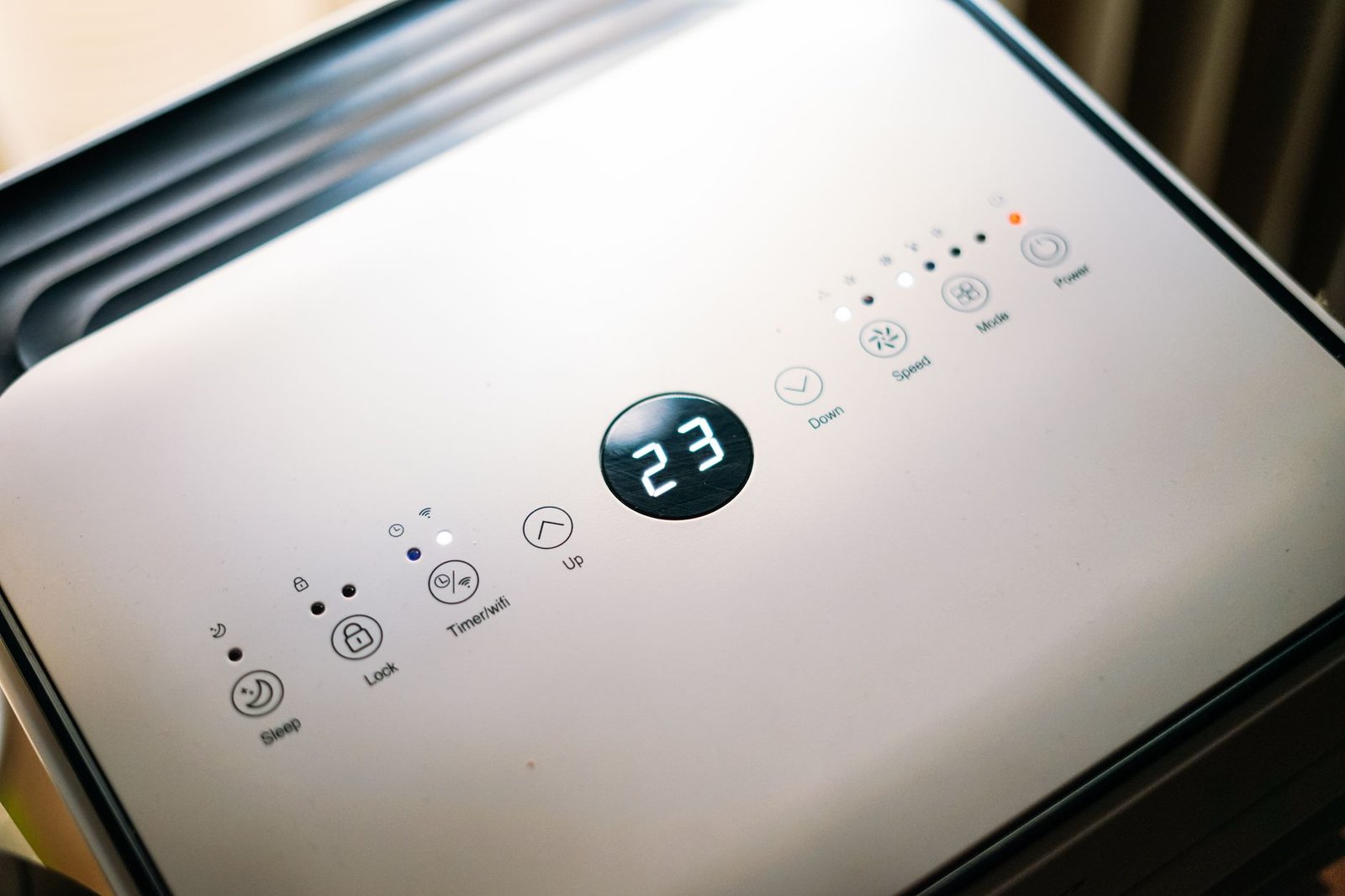
Achieving optimal indoor air quality and comfort involves mastering environmental conditions, with humidity playing a pivotal role. The selection between a humidifier and a dehumidifier for a home in 2026 hinges entirely on the existing indoor atmospheric conditions and the specific environmental challenges faced by the resident. This comprehensive guide details when each device is essential for maintaining health, structural integrity, and domestic comfort.
Understanding Indoor Humidity for 2026 Homes
Indoor relative humidity (RH) significantly impacts both the well-being of occupants and the longevity of a home’s structure and furnishings. The ideal indoor RH generally falls between 40% and 60%. Deviations from this range can lead to various issues, from health concerns to material degradation.
As of 2026, smart home ecosystems increasingly integrate advanced humidity sensors, providing real-time data that empowers homeowners to make informed decisions. These sensors often use highly accurate solid-state capacitive or resistive elements, offering precision that was less common in consumer devices just a few years prior.
The Impact of Imbalanced Humidity
- Low Humidity (<40%): Can lead to dry skin, irritated respiratory passages, static electricity, damage to wood furniture and musical instruments, and increased susceptibility to airborne viruses.
- High Humidity (>60%): Promotes mold and mildew growth, dust mite proliferation, unpleasant odors, structural damage, and creates a sticky, uncomfortable environment.
Humidifiers: Enhancing Comfort and Health in Dry Conditions
A humidifier introduces moisture into the air, making it an indispensable device in dry climates or during colder months when heating systems strip moisture from indoor environments. For 2026, humidifiers have evolved beyond simple steam or cool mist units, offering enhanced efficiency and integration.
When a Humidifier is Essential
The resident observing symptoms such as dry nasal passages, itchy skin, cracked wooden floors, static shocks, or persistent coughs may benefit significantly from a humidifier. These devices are particularly crucial in regions experiencing harsh, dry winters or desert climates year-round.
- Respiratory Health: Helps to soothe dry throats and nasal passages, potentially reducing the severity of allergy and asthma symptoms.
- Skin and Hair Hydration: Prevents dry, flaky skin and brittle hair.
- Preservation of Home Furnishings: Protects wood, artwork, and electronics from damage caused by excessive dryness.
- Energy Efficiency: Properly humidified air can feel warmer, potentially allowing the resident to set thermostats lower and conserve energy.
Modern Humidifier Innovations for 2026
Today’s humidifiers feature significant advancements:
- Smart Integration: Seamlessly connect with home automation systems, allowing for remote control and automated adjustments based on environmental data from other sensors.
- Whole-Home Systems: Increasingly common in new constructions or major renovations, these units integrate directly with HVAC systems, offering consistent humidity control throughout the entire residence.
- Advanced Filtration & UV Sterilization: Many 2026 models include multi-stage filtration and UV-C light sterilization to ensure the emitted mist is free of bacteria, mold, and mineral dust, a critical health consideration.
- Sustainable Materials: Manufacturers are incorporating recycled plastics and more durable, antimicrobial polymers into their designs, extending product lifespan and reducing environmental impact.
- Evaporative Cooling Hybrid Models: Some advanced units now offer modest evaporative cooling benefits alongside humidification, optimizing comfort across various seasons.
Dehumidifiers: Combating Excess Moisture and Its Hazards
Conversely, a dehumidifier removes excess moisture from the air, making it vital in humid climates or specific areas within a home prone to dampness. The advancements in dehumidifier technology in 2026 prioritize energy efficiency and smarter operation.
When a Dehumidifier is Essential
Indications such as musty odors, visible mold growth, condensation on windows, sticky feelings on skin, or persistent allergy symptoms (often exacerbated by dust mites) signal a need for a dehumidifier. These devices are invaluable in:
- High-Humidity Climates: Coastal regions or areas with consistently high ambient humidity.
- Basements and Crawl Spaces: Naturally prone to dampness, preventing mold and structural damage.
- Bathrooms and Laundry Rooms: Areas with high moisture generation, especially if ventilation is inadequate.
- Allergy and Asthma Management: Reduces allergens like dust mites and mold spores, which thrive in moist conditions.
Modern Dehumidifier Innovations for 2026
Dehumidifier technology has seen remarkable strides:
- Heat Pump Dehumidifiers: These highly energy-efficient units, often integrated into HVAC systems, recover heat from the dehumidification process, significantly reducing operational costs compared to traditional refrigeration-based models.
- Precision Humidity Control: Advanced sensors allow for exact target RH settings, maintaining optimal levels without over-drying.
- Quieter Operation: Enhanced compressor and fan designs have led to significantly quieter units, making them less intrusive in living spaces.
- Smart Monitoring & Drainage: Wi-Fi connectivity allows for remote monitoring and control, while continuous drainage options (often via smart pumps) eliminate the need for manual emptying.
- Environmentally Friendly Refrigerants: The industry is transitioning to refrigerants with lower global warming potential (GWP), aligning with 2026 environmental standards.
Making the Right Choice: Diagnosis and Strategy for the Resident
The ultimate decision between a humidifier and a dehumidifier, or even the strategic use of both in different areas or seasons, rests on accurate assessment of the home’s specific microclimates.
Steps for Optimal Humidity Management
- Assess Current Conditions: A digital hygrometer is an inexpensive yet crucial tool for monitoring indoor relative humidity. Multiple sensors can be deployed in different rooms to identify localized issues.
- Consider Geographic Location and Seasonal Changes: Residents in arid regions will likely prioritize humidification, especially in winter. Those in tropical or subtropical zones will primarily need dehumidification. Seasonal variations often dictate switching between or utilizing both devices.
- Target Specific Problem Areas: A basement with high humidity may require a dedicated dehumidifier, while a bedroom experiencing dry air might benefit from a portable humidifier.
- Embrace Smart Home Integration: For 2026, smart humidity sensors and connected devices offer the most convenient and efficient way to maintain ideal indoor conditions automatically. These systems can learn and adapt to a household’s specific needs and local weather patterns.
- Consult an Expert: For complex issues or whole-home solutions, consulting an HVAC professional or a domestic comfort analyst can provide tailored recommendations.
Conclusion: A Balanced Approach to Indoor Air Quality
In 2026, creating an optimally comfortable and healthy indoor environment involves a nuanced understanding of humidity control. Neither a humidifier nor a dehumidifier is inherently