
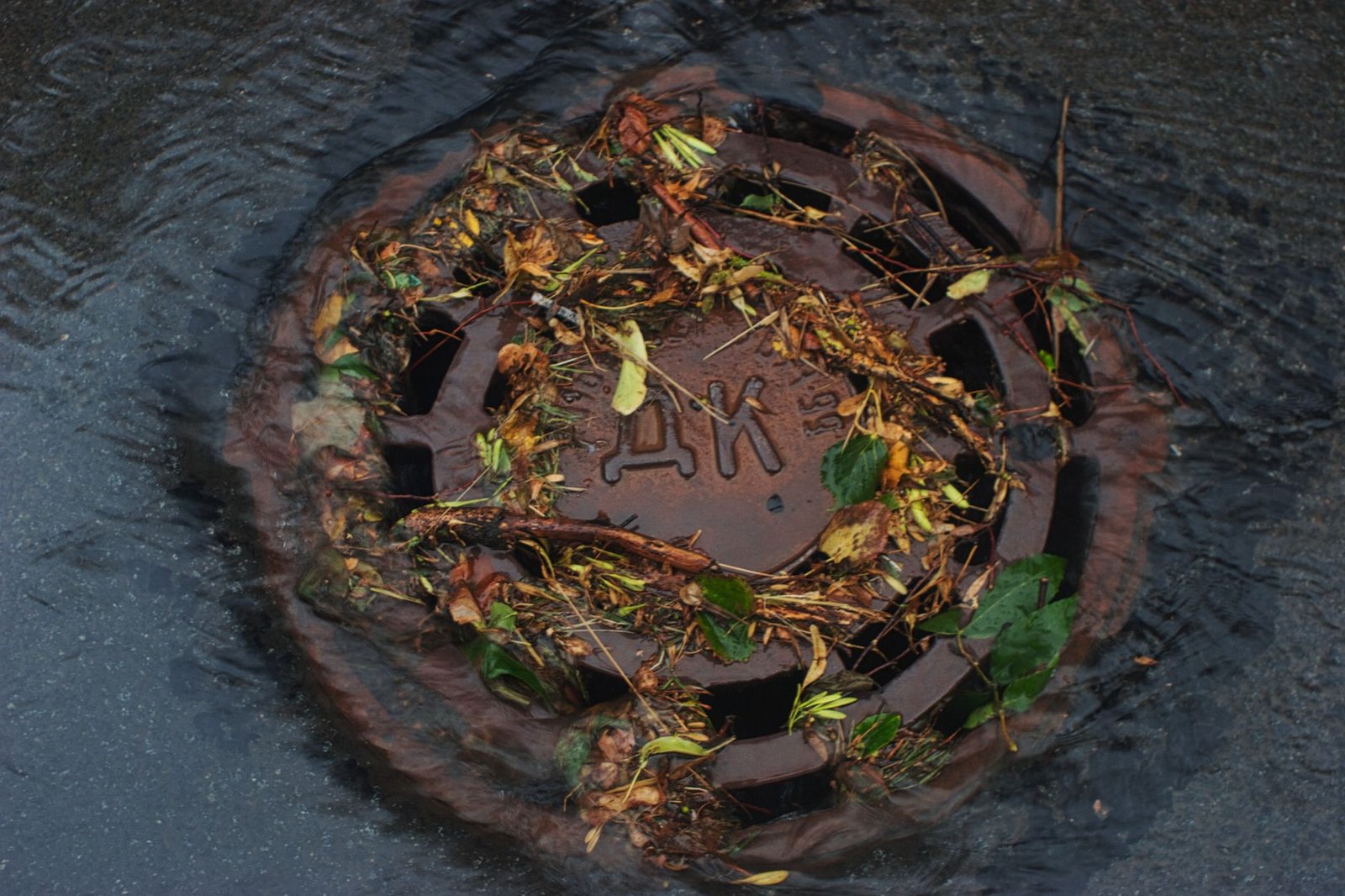
When heavy rains transform a pristine yard into a waterlogged expanse, it signals a common yet frustrating issue for many properties: inadequate drainage. Fortunately, addressing yard flooding does not always require extensive professional intervention. The homeowner can implement several practical, do-it-yourself drainage solutions to manage excess water effectively, preventing soil erosion, protecting foundations, and fostering healthier landscapes. This guide explores five essential DIY methods tailored for the modern residence in 2026, focusing on preventative measures and accessible fixes.
Understanding Yard Drainage: The Foundation of a Healthy Landscape
Proper yard drainage is critical for maintaining landscape integrity and structural stability. Persistent standing water can lead to several detrimental outcomes, including plant root rot, mosquito breeding grounds, compromised foundation integrity, and reduced usability of outdoor spaces. Effective drainage channels water away from vulnerable areas, allowing it to infiltrate the soil or be collected and reused. Recognizing the signs of poor drainage, such as soggy patches, water flowing towards the house, or compacted soil, is the first step toward implementing a suitable solution.
Modern Approaches to Water Management in 2026
Contemporary landscape design increasingly emphasizes sustainability and efficiency. In 2026, homeowners have access to advanced materials and techniques that were less common a decade ago. These include high-performance geotextile fabrics that enhance the longevity of drainage systems, smart irrigation controllers that adapt to weather patterns, and an expanded range of permeable paving options. Bio-retention strategies, like rain gardens, are also gaining prominence for their ecological benefits and aesthetic appeal.
Essential Tools and Materials for DIY Drainage Projects
Before embarking on any drainage project, gathering the right tools and materials is crucial. Basic tools typically include shovels, picks, levels, measuring tapes, wheelbarrows, and safety gear. For specific projects, items like perforated drainpipes, gravel, sand, landscape fabric, and native plant selections will be necessary. In 2026, consideration should be given to modern, durable, and environmentally friendly options, such as recycled plastic drainpipes or advanced composite trench forms that resist degradation and offer superior flow rates.
5 DIY Drainage Solutions for the 2026 Homeowner
1. Strategic Grading and Berms
Description: Correcting the grade of the landscape is often the most fundamental and effective drainage solution. This involves reshaping the terrain so that water naturally flows away from the residence and other critical structures. Berms, which are raised mounds of soil, can be strategically placed to divert water paths or create catchment areas. The slope should ideally be a minimum of one to two percent (one to two feet of drop over 100 feet) away from the foundation.
- Implementation: The resident first identifies areas where water accumulates or flows inappropriately. Using a level and stakes, the desired slope is marked out. Soil is then added or removed to achieve the correct grade. For berms, compacted soil is mounded and shaped, often planted with vegetation to stabilize the soil and enhance aesthetics.
- 2026 Advantage: Modern compacting equipment, accessible for rental, makes this task more manageable for the homeowner. Utilizing soil amendments, such as biochar-enriched topsoil, can improve soil structure and water infiltration rates simultaneously.
2. Rain Gardens
Description: Rain gardens are aesthetically pleasing, shallow depressions planted with native vegetation that can tolerate both wet and dry conditions. They are designed to collect and absorb stormwater runoff from impervious surfaces like roofs, driveways, and lawns, allowing it to slowly infiltrate the ground rather than flowing into storm drains or accumulating in undesirable areas. They also create valuable habitats for local wildlife.
- Implementation: A suitable location, typically at least 10 feet from the residence, is selected. A shallow basin (6-12 inches deep) is excavated, and the soil is amended with compost and sand to improve drainage. Native plants appropriate for the local climate and soil type are then planted.
- 2026 Advantage: Access to a wider variety of resilient, drought-tolerant, and water-loving native plant species, often available through specialized nurseries or community programs. Smart sensors can now be integrated into rain gardens to monitor soil moisture levels, optimizing their performance.
3. French Drains
Description: A French drain is a trench containing a perforated pipe surrounded by gravel, then covered with soil. It works by providing an underground channel for water to flow through, diverting it from problem areas to a more appropriate discharge point, such as a dry well, a lower part of the property, or a street drain (where permissible). The perforated pipe collects groundwater and surface runoff that seeps through the gravel.
- Implementation: A trench is dug with a slight slope (approximately 1% grade) towards the desired drainage point. The bottom of the trench is lined with permeable landscape fabric, which prevents soil from clogging the system. A layer of gravel is added, followed by the perforated drainpipe (holes facing downwards). More gravel is placed over the pipe, and the fabric is folded over the gravel before backfilling with soil.
- 2026 Advantage: The availability of advanced, high-density polyethylene (HDPE) corrugated pipes that offer superior durability and resistance to crushing and root intrusion. Geotextile fabrics have improved filtration capabilities, ensuring longer system lifespans.
4. Dry Wells or Infiltration Trenches
Description: A dry well is an underground chamber, typically a large pit filled with gravel or a pre-manufactured barrel-like structure, designed to collect and temporarily store stormwater runoff, allowing it to slowly seep into the surrounding soil. Infiltration trenches are similar but often longer and shallower, acting as elongated dry wells.
- Implementation: A pit is excavated in an area with good soil permeability, away from the foundation. The pit can be lined with landscape fabric before being filled with coarse gravel. For larger volumes, a pre-fabricated dry well unit can be installed. Runoff from downspouts or French drains is directed into the dry well.
- 2026 Advantage: Pre-manufactured dry well kits are increasingly user-friendly and come in various sizes, often made from recycled plastics. They are designed for easier installation and boast enhanced filtration layers. Permeable aggregate fills are also more readily available, reducing the reliance on virgin gravel.
5. Gutter Extensions and Downspout Diversion
Description: This is one of the simplest and most cost-effective solutions. Gutter extensions are pieces that attach to existing downspouts, channeling water further away from the residence’s foundation. Downspout diversions involve redirecting the flow from multiple downspouts to a single, safer discharge point or into a collection system like a rain barrel.
- Implementation: The resident simply attaches flexible or rigid extensions to downspouts, ensuring water is directed at least 5-10 feet away from the foundation. Consideration must be given to where the water is ultimately discharged, avoiding neighbor’s properties or areas that could become new problem spots. Rain barrels can be installed to collect water for later use in irrigation.
- 2026 Advantage: A broader range of aesthetically pleasing and durable gutter extension materials, including composite and UV-resistant plastics. Smart rain barrels are emerging, capable of monitoring water levels and even integrating with home automation systems to release water optimally.
Preventative Measures and Long-Term Maintenance
Beyond implementing these solutions, continuous attention to yard maintenance can prevent future drainage issues. Regularly cleaning gutters and downspouts, aerating compacted lawns, and ensuring appropriate plant selection are vital. Monitoring the property after heavy rainfall helps identify potential new problem areas before they escalate. For 2026, homeowners can consider integrating smart home weather stations that provide hyper-local forecasts and soil moisture sensors that offer real-time data, aiding in proactive water management.
Conclusion
Addressing yard flooding is an achievable goal for the diligent homeowner. By understanding the principles of water management and applying these five DIY drainage solutions—strategic grading, rain gardens, French drains, dry wells, and gutter extensions—the resident can transform a waterlogged landscape into a resilient and beautiful outdoor space. Leveraging modern materials and technologies available in 2026 further enhances the effectiveness and longevity of these efforts, ensuring a dry and healthy property for years to come.