
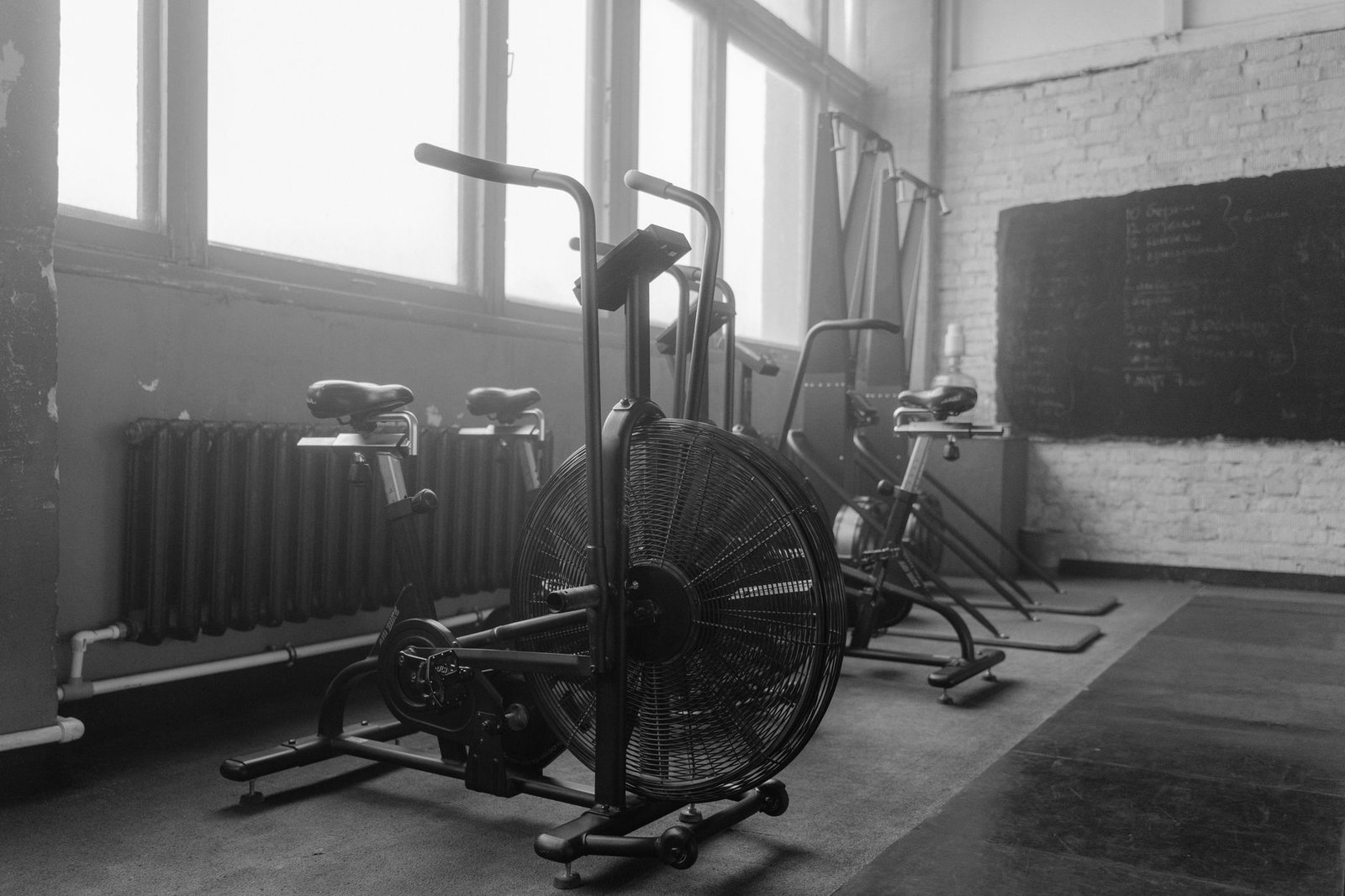
For many residents, the aspiration of a dedicated home gym often clashes with the reality of limited living space. However, a compact area should not deter the pursuit of an active lifestyle. This article presents five innovative, space-saving fitness equipment ideas and strategic layout approaches designed to maximize workout potential within modest home gym footprints in 2026. By integrating smart design with cutting-edge technology and material science, even the smallest of spaces can transform into an efficient and inspiring wellness zone.
The Evolving Home Wellness Landscape in 2026
The year 2026 heralds a continued emphasis on holistic home wellness, extending beyond mere physical activity to encompass mental and emotional well-being. Homeowners are increasingly prioritizing environments that support comprehensive health, and the home gym is a crucial component of this vision. Industry trends highlight a significant shift towards equipment that is not only effective but also aesthetically pleasing, integrated with smart home ecosystems, and manufactured using sustainable, durable materials. The challenge for many remains the efficient utilization of restricted areas, prompting a demand for multi-functional and highly compact solutions.
Convergence of Technology and Design
Modern fitness equipment in 2026 often features advanced sensor technology, AI-driven personalized coaching, and augmented reality integration. These innovations allow for deeply immersive and effective workouts without requiring vast amounts of physical space. Concurrently, design principles are leaning towards minimalist aesthetics, enabling equipment to blend seamlessly into residential environments rather than dominating them. Material developments include aerospace-grade aluminum alloys for lighter yet stronger frames, recycled ocean plastics for eco-conscious components, and bio-based polymers offering enhanced durability and feel.
Smart Equipment Choices for Compact Spaces
Optimizing a small home gym begins with selecting equipment that delivers maximum utility within a minimal footprint. The following five categories represent the forefront of space-saving innovation for 2026.
1. Foldable and Storable Cardiovascular Machines
Traditional treadmills and ellipticals often occupy considerable floor space. However, 2026 offers advanced foldable models that shrink significantly when not in use. These machines feature high-performance motors and robust construction, often incorporating ultra-quiet operation and integrated high-definition screens for virtual scenic routes or interactive coaching sessions. Many now come with enhanced AI algorithms that adapt workout intensity based on real-time biometric data, providing a personalized experience that belies their compact storage profile. Materials like carbon fiber composites reduce weight without compromising structural integrity, making them easier to fold and move.
2. Wall-Mounted Strength Systems
Free weights and large multi-gyms can quickly overwhelm a small room. Wall-mounted systems provide a sophisticated alternative. These include folding squat racks that collapse flush against the wall, adjustable cable machines with sleek, unobtrusive profiles, and modular shelving for resistance bands and lighter weights. Such systems maximize vertical space and keep the floor clear, allowing for diverse strength training routines from basic bodyweight exercises to advanced weightlifting. The aesthetic appeal of these systems has also evolved, with premium finishes and integrated lighting becoming standard.
3. Smart Compact Weight Systems
The days of requiring a full rack of dumbbells or kettlebells are diminishing. 2026 sees the widespread adoption of smart adjustable weight systems that consolidate an entire set into a single, compact unit. These dumbbells and kettlebells often feature electronic mechanisms for quick weight changes and Bluetooth connectivity to track repetitions, sets, and progress via accompanying applications. New ergonomic designs utilizing specialized polymer grips and balanced weight distribution enhance safety and comfort. Some even incorporate haptic feedback for form correction during exercises, further optimizing the workout for the user.
4. Interactive Fitness Mirrors and Screens
Interactive fitness mirrors represent a paradigm shift in home workouts, offering an expansive range of classes and personal training sessions without occupying any floor space beyond what is needed for the workout itself. These high-tech reflective displays transform into immersive training portals, allowing residents to follow expert instructors in disciplines ranging from yoga and Pilates to HIIT and strength training. Many 2026 models include advanced motion tracking and form analysis, providing real-time feedback to ensure effective and safe exercise. When not in use, they revert to a stylish full-length mirror, making them an ideal dual-purpose item.
5. Versatile Bodyweight and Pilates Accessories
Sometimes the most effective solutions are the simplest, yet enhanced with modern materials and design. Foldable Pilates reformers, often constructed from lightweight yet durable aluminum and high-density recycled plastics, offer a full-body workout that can be stowed under a bed or against a wall. Similarly, innovative resistance band sets made from advanced, stretch-resistant elastomers provide scalable resistance without taking up significant room. Yoga mats with integrated pressure sensors for posture correction and stability balls made from eco-friendly, burst-resistant compounds also contribute to a comprehensive, space-efficient fitness regimen.
Ingenious Layout Strategies for Maximizing Space
Beyond equipment selection, thoughtful interior design plays a pivotal role in creating a functional and inviting home gym, irrespective of its size.
Vertical Utilization and Multi-Functional Zones
Maximizing vertical space is paramount. This involves installing floating shelves for accessories, utilizing wall-mounted storage solutions for mats and bands, and even considering ceiling-mounted pull-up bars that can be tucked away. Furthermore, establishing multi-functional zones within the room allows for greater flexibility. For instance, a smart fitness mirror can be placed in a living area, becoming a workout station only when activated, while a foldable bench can double as a seating area when not in use for weights. The resident benefits from seamless integration into the existing home aesthetic.
Optimizing Flow and Ergonomics
Even in a small space, maintaining clear pathways and ensuring ergonomic efficiency is crucial. Equipment should be arranged to allow for full range of motion without obstruction. Placing larger items against walls or in corners can free up central floor space. Consideration should be given to natural light sources and smart lighting solutions, which can enhance the perception of space and improve mood. Integrated smart lighting systems in 2026 often include circadian rhythm matching capabilities, optimizing light exposure for energy and recovery.
The Role of Materials and Aesthetics
The choice of materials can significantly impact both functionality and the perceived size of a home gym. Light-colored paints and reflective surfaces can make a room feel larger and brighter. Acoustic paneling, often crafted from recycled textiles or sustainably sourced wood veneers, not only dampens sound – a benefit for multi-use spaces – but also adds a layer of sophistication. Flooring materials designed for home gyms in 2026 are often made from high-density recycled rubber or cork composites, offering excellent impact absorption, easy cleaning, and enhanced durability without off-gassing harmful VOCs.
Conclusion
The challenge of a limited home gym space is increasingly addressable through the intelligent combination of cutting-edge fitness equipment and strategic interior design. By embracing foldable, wall-mounted, and smart compact systems, alongside interactive platforms and versatile accessories, homeowners can create highly effective workout environments. Coupled with thoughtful layout strategies that emphasize vertical utilization, ergonomic flow, and considered material choices, even the most modest area can be transformed into a powerful and inspiring hub for wellness. The future of home fitness in 2026 is about intelligent design empowering comprehensive well-being, proving that significant fitness gains are possible within any footprint.