
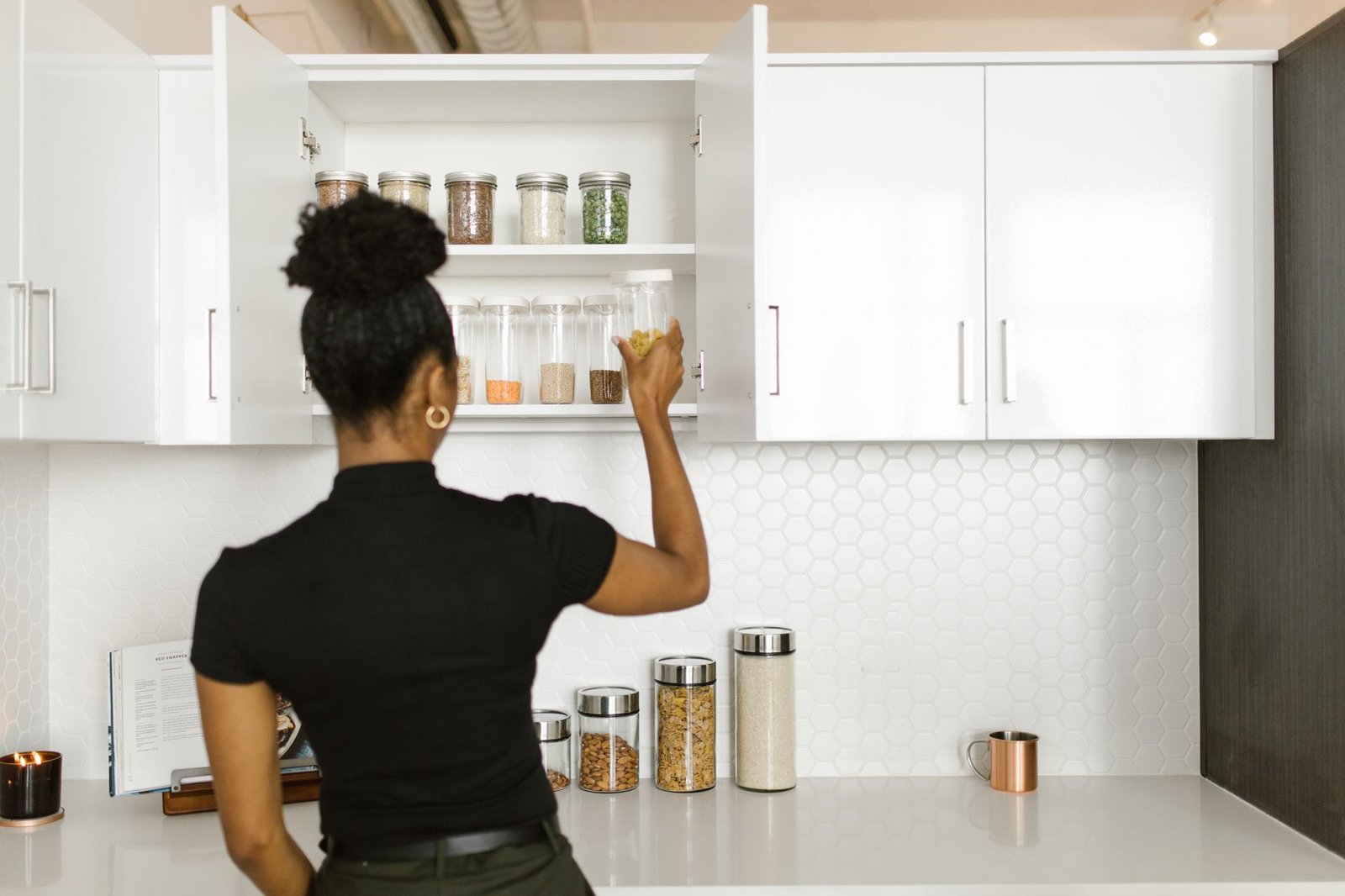
A cluttered pantry can quickly transform a modern kitchen into a zone of frustration rather than culinary creativity. For the homeowner facing an overrun pantry, implementing a strategic zone-based organization system is the definitive solution to maximize space, enhance accessibility, and streamline kitchen operations in 2026. This approach allows for intuitive storage and retrieval, ensuring every item has its dedicated place.
The Evolving 2026 Pantry: More Than Mere Storage
The contemporary kitchen of 2026 is a dynamic hub, demanding efficiency, sustainability, and aesthetic harmony. Pantries, once simple storage closets, have evolved into sophisticated components of this ecosystem, expected to not only hold groceries but also integrate seamlessly with smart home technologies and eco-conscious design principles. The resident now expects a pantry that contributes to a mindful and efficient household.
Smart Integration and Sustainable Design
Modern pantry design incorporates features such as integrated LED lighting, often motion-activated, and modular shelving systems that can be reconfigured with ease. Material trends for 2026 heavily lean towards sustainability, with shelves constructed from recycled aluminum, sustainably sourced bamboo composites, or even bioplastic laminates. Advanced ceramic and glass containers, often featuring air-tight seals, remain popular for their hygiene and aesthetic appeal, sometimes enhanced with embedded RFID tags for automated inventory management.
The Strategic Advantage of Zoned Pantry Systems
Zone organization is not merely tidying; it is a strategic method of categorizing and storing items based on their function, frequency of use, and compatibility. This systematic approach dramatically improves accessibility, simplifies inventory tracking, and reduces food waste by keeping items visible and easily reachable. By defining distinct functional areas, the homeowner creates an intuitive flow that supports daily cooking and meal preparation routines, transforming chaotic spaces into highly efficient ones.
Implementing Smart Zones: 5 Hacks for 2026 Kitchens
Optimizing a pantry in 2026 involves more than just containers; it requires a thoughtful allocation of space based on lifestyle and culinary habits. Here are five smart zone hacks designed for the modern kitchen:
Hack 1: The Daily Essentials & Prep Zone
This zone is dedicated to items accessed multiple times a day. Located at eye-level and within easy reach, it contains cooking oils, vinegars, frequently used spices, salt, pepper, and ready-to-eat components like granola or nuts. Its prominence minimizes searching and keeps essential ingredients at the forefront.
- Recommended Solutions: Clear, stackable, airtight containers made from borosilicate glass or high-quality, BPA-free bioplastics. Tiered spice racks and small turntables for oils and condiments enhance visibility.
- 2026 Trend Integration: Consider smart containers with integrated sensors that monitor freshness and automatically reorder staples via a connected app.
Hack 2: The Bulk & Staples Reserve
Designed for larger quantities and less frequently accessed items, this zone typically occupies lower shelves or deep pull-out drawers. It houses grains, pasta, canned goods, dried beans, and baking supplies used in larger volumes. Durability and capacity are key considerations here.
- Recommended Solutions: Large, stackable bins crafted from durable recycled plastics or lightweight aluminum. Deep, pull-out drawers on heavy-duty slides for easy access to back items. Labeling systems should be clear and robust.
- 2026 Trend Integration: Antimicrobial surfaces on shelving units, possibly copper-infused laminates, can contribute to a cleaner storage environment for long-term staples.
Hack 3: The Baking & Specialty Ingredients Hub
For the avid baker or gourmet chef, a dedicated zone for specialty flours, sugars, extracts, food colorings, and less common spices is invaluable. This area benefits from being slightly separate, perhaps a dedicated cabinet within the larger pantry, to prevent cross-contamination and maintain ingredient integrity.
- Recommended Solutions: Modular drawer inserts for small packets, tiered shelving for various extracts, and humidity-controlled canisters for delicate flours and sugars. Custom-built dividers can keep baking pans and cookie sheets organized.
- 2026 Trend Integration: Digital labels that display ingredient freshness and recipe suggestions when scanned can elevate the functionality of this zone.
Hack 4: The Grab-and-Go & Snack Station
Ideal for busy households, this zone provides easy access to healthy snacks, pre-portioned items, and lunchbox components. Positioned at an accessible height for all residents, including children, it encourages healthier eating habits and reduces morning rush chaos.
- Recommended Solutions: Open-top bins, clear baskets, and small modular drawers for individual snack bags, fruit leathers, and protein bars. Small, clear containers are perfect for portioning out dry snacks.
- 2026 Trend Integration: Self-replenishing snack dispensers linked to grocery delivery services could become common, ensuring a continuous supply of favorites.
Hack 5: The Appliance & Oversized Item Bay
This zone addresses the challenge of storing bulky kitchen appliances, large serving platters, and oversized stockpots that are used less frequently. Typically located on the bottom shelves or in deep corners, it requires robust storage solutions to handle weight and awkward dimensions.
- Recommended Solutions: Heavy-duty pull-out shelves capable of supporting stand mixers and slow cookers. Vertical dividers are excellent for organizing cutting boards and large platters. A dedicated appliance garage, if space permits, keeps these items out of sight but readily available.
- 2026 Trend Integration: Integrated power outlets within the pantry itself allow for appliances to be used directly from their storage location, a true convenience for the modern homeowner.
Advanced Tools & Materials for 2026 Pantry Optimization
The future of pantry organization is intertwined with technological advancements and sustainable material science, enhancing both utility and environmental responsibility.
Smart Storage Solutions
Beyond RFID inventory tags, 2026 pantries are seeing the integration of miniature sensors that monitor temperature and humidity, alerting the resident to optimal storage conditions. Augmented reality apps can overlay recipe ideas onto pantry contents, making meal planning more interactive. Voice-activated lighting and automatic shelf adjustments further streamline the experience.
Sustainable and Hygienic Materials
Materials like recycled glass, bamboo, and innovative plant-based bioplastics are increasingly used for containers and shelving, emphasizing a circular economy. Antimicrobial coatings, often infused with silver or copper ions, are becoming standard on food storage surfaces, contributing to a healthier kitchen environment by inhibiting bacterial growth. These developments underscore a commitment to both efficiency and well-being.
Sustaining the Organized Pantry
Implementing these zone hacks is only the first step. To maintain an organized pantry, routine maintenance is essential. Regular decluttering sessions, perhaps quarterly, allow the resident to review expiration dates, assess stock levels, and adapt zones to evolving needs. The consistent practice of returning items to their designated zones and conducting periodic inventory checks prevents gradual disarray. Designating a small ‘use-first’ basket for items nearing their expiration date or those needing to be consumed soon can significantly reduce food waste.
By embracing these five smart zone organization hacks and leveraging the material and technological innovations of 2026, the homeowner can transform an overwhelmed pantry into an efficient, accessible, and truly modern culinary asset. This strategic approach not only optimizes space but also elevates the entire kitchen experience, fostering domestic comfort and culinary joy.