
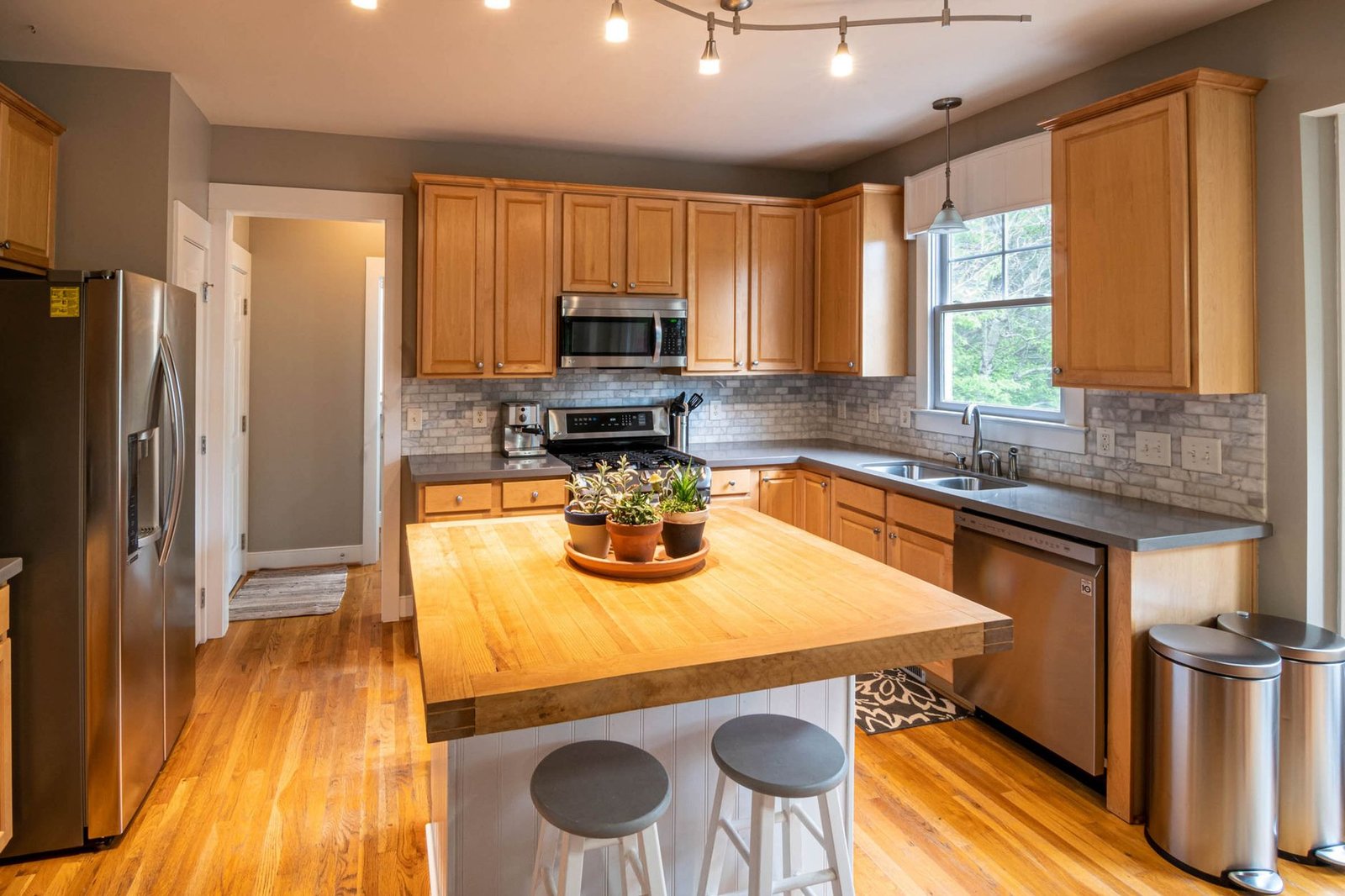
Understanding the Open Concept Challenge
An open concept kitchen, while offering expansive views and fostering connectivity, can sometimes feel impersonal or sterile without thoughtful design. The spaciousness that defines these layouts can inadvertently lead to a lack of defined zones and a cold aesthetic. However, infusing personality and warmth into an open concept kitchen is entirely achievable through strategic design choices. This article explores seven effective design tricks that homeowners can employ in 2026 to transform their modern living spaces into inviting hubs.
The contemporary homeowner often seeks both functionality and emotional connection within their dwelling. Balancing the sleek lines and minimalist tendencies of modern design with a desire for coziness requires an intentional approach. The following strategies leverage current industry trends and material innovations to help residents cultivate a more personal and welcoming atmosphere in their open concept kitchens.
7 Design Strategies for Infusing Warmth
1. Strategic Material Mixology
Introducing a diverse palette of materials is fundamental to adding depth and warmth. Instead of monochromatic schemes, consider incorporating rich textures and varied finishes. For 2026, trends lean towards a sophisticated blend of natural woods, warm metals, and tactile surfaces. Reclaimed oak or dark walnut cabinetry can ground the space with organic appeal. Countertops featuring veined natural stone, such as travertine or honed quartz with earthy tones, provide a luxurious yet inviting feel. Furthermore, accents of brushed brass or antique bronze hardware and light fixtures can introduce a subtle shimmer and historical gravitas that polished chrome often lacks.
2. Layered Lighting for Ambiance
Lighting is a powerful tool for mood creation. An open concept kitchen benefits immensely from a layered lighting scheme that moves beyond simple overhead illumination. Implement dimmable ambient lighting with warm color temperatures (around 2700-3000K) to create a soft glow. Task lighting, such as under-cabinet LEDs, ensures functionality without sacrificing warmth. Crucially, accent lighting—think decorative pendants over an island, sconces on a feature wall, or picture lights for art—introduces focal points and shadows that add dimension. Smart lighting systems, increasingly prevalent in 2026, allow for effortless control and scene setting, enabling the resident to adjust the atmosphere instantly.
3. Introducing Organic Elements and Biophilia
Connecting with nature significantly enhances a space’s sense of warmth and vitality. Biophilic design continues to be a dominant trend in 2026. Integrate live plants, whether through potted herbs on windowsills, larger floor plants in corners, or even a vertical garden feature wall. Consider incorporating natural materials like a river stone backsplash, wooden chopping boards on display, or a living moss wall. The inclusion of botanical prints or artwork depicting natural landscapes further reinforces this connection, fostering a tranquil and grounding environment.
4. Thoughtful Zoning with Rugs and Furniture
Defining zones within an open concept space helps break up large expanses and create intimate areas. An area rug, chosen for durability and ease of cleaning, can delineate the kitchen’s social hub from an adjacent living or dining area. Look for rugs in warm, inviting textures and patterns. Furniture selection is also key; opt for comfortable bar stools or island seating upholstered in tactile fabrics like linen or bouclé. A small, strategically placed console table or a low-profile credenza can also subtly segment the space while offering additional surface area or storage, maintaining visual flow without imposing harsh divisions.
5. Curated Color Palettes
Color profoundly impacts a space’s perceived warmth. Move beyond stark whites and cool grays towards a palette of warm neutrals and earthy tones. Think creamy off-whites, soft greiges, terracotta, muted greens, or deep blues for cabinetry or accent walls. These colors create a cocooning effect and provide a welcoming backdrop. The