
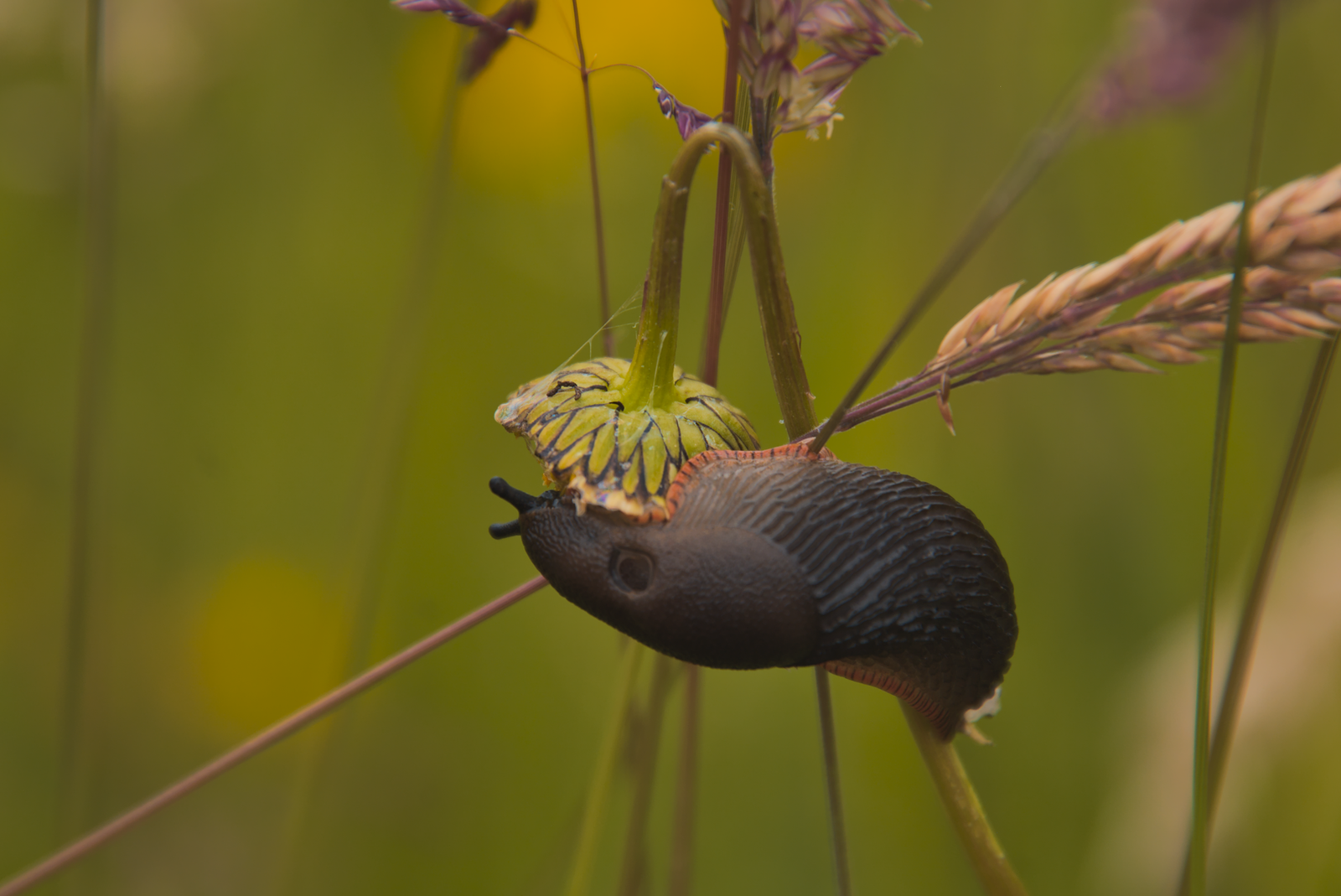
When slugs threaten a vegetable garden, compromising the promise of a bountiful 2026 harvest, implementing organic control methods becomes paramount. This guide outlines five effective, chemical-free strategies designed to protect valuable crops and foster a thriving ecosystem. Adopting these natural approaches ensures a lush yield while maintaining ecological balance, a cornerstone of modern domestic comfort and sustainable landscape architecture.
Understanding the Gastropod Challenge
Slugs, notorious for their voracious appetites, pose a significant threat to young plants and tender leaves, particularly in moist conditions. Their nocturnal feeding habits often leave gardeners with damaged produce and diminished yields, transforming vibrant foliage into Swiss cheese overnight. Understanding their lifecycle and preferred environments is the first step in effective management. These gastropods thrive in damp, cool, and sheltered areas, making heavily mulched beds or dense ground cover ideal hiding spots during daylight hours. As ecological awareness deepens in 2026, the shift towards organic, integrated pest management (IPM) becomes not just an preference, but a standard practice for the discerning homeowner.
The Impact on 2026 Crops
The damage inflicted by slugs extends beyond mere cosmetic blemishes; it can severely stunt plant growth, reduce fruit development, and even lead to plant death. For crops destined for the 2026 harvest, early intervention is critical. Relying on synthetic pesticides, while seemingly effective, introduces undesirable chemicals into the ecosystem, harming beneficial insects, soil microbiology, and ultimately, impacting the safety and quality of harvested produce. Modern horticultural trends strongly advocate for solutions that align with environmental stewardship and consumer well-being, pushing innovative organic alternatives to the forefront.
Five Organic Control Methods for a Thriving 2026 Harvest
1. Physical Barriers and Strategic Garden Design
Creating physical deterrents is a highly effective first line of defense. Raised garden beds, elevated above ground level, inherently make it more challenging for slugs to reach plants. For ground-level beds, materials like copper tape applied around bed perimeters act as a mild electrical barrier, repelling slugs upon contact; advancements in copper alloy formulations in 2026 offer enhanced durability and longevity. Another effective barrier is a coarse, abrasive material such as diatomaceous earth (DE) or sharp grit, applied in a band around vulnerable plants. It is important to reapply DE after rain. Furthermore, wool pellets, a sustainable innovation gaining traction by 2026, create an uncomfortable, absorbent barrier that deters slug movement. Strategic placement of these barriers, along with selection of modern, recycled composite garden edging, can significantly reduce ingress.
2. Harnessing Nature’s Predators: Beneficial Biodiversity
Encouraging natural predators into the garden ecosystem offers a sustainable, long-term solution. Birds, frogs, toads, hedgehogs, and ground beetles all relish slugs. The homeowner can foster a welcoming environment by providing a diverse habitat, including bird baths, log piles, and native plantings that offer shelter and food sources for these beneficial creatures. A significant development in 2026 is the widespread availability and refinement of entomopathogenic nematodes, specifically Phasmarhabditis hermaphrodita. These microscopic worms are natural parasites of slugs, infecting and killing them, yet are completely harmless to plants, humans, and other wildlife. Application involves simply watering them into the soil, offering a potent biological control method.
3. Innovative Trapping and Baiting Solutions
Traps provide an effective means of monitoring and reducing slug populations. Traditional beer traps, consisting of shallow dishes filled with beer sunk to soil level, attract slugs that then drown. Modern iterations include refined trap designs that minimize evaporation and simplify emptying. Other organic lures include grapefruit halves or damp boards, which provide attractive hiding spots under which slugs congregate and can then be easily collected and relocated or disposed of. For a more targeted approach, iron phosphate baits are a highly effective and safe organic solution. Widely available and certified for organic use in 2026, these pellets are consumed by slugs, causing them to stop feeding and eventually die, without posing any risk to pets, wildlife, or children. The pellets naturally break down into iron and phosphate, enriching the soil.
4. Companion Planting and Botanical Repellents
Thoughtful plant selection can naturally deter slugs. Certain plants, particularly those with strong aromas or bitter tastes, are unappealing to these gastropods. Incorporating garlic, chives, fennel, rosemary, mint, or nasturtiums alongside vulnerable crops can create a natural protective barrier. Conversely, planting ‘sacrificial’ plants that slugs prefer, such as marigolds or lettuce near garden edges, can draw them away from more prized vegetables. Advanced horticultural data analytics in 2026 provide precise insights into optimal companion planting combinations based on localized conditions and specific crop types, allowing the gardener to create highly effective natural deterrent systems.
5. Optimized Soil Health and Cultural Practices
Maintaining optimal soil conditions and implementing sound cultural practices are foundational to organic slug control. Slugs thrive in consistently damp environments. Therefore, watering in the morning rather than evening allows foliage and soil surfaces to dry out before nightfall, making the garden less hospitable. Ensuring good air circulation around plants through proper spacing and pruning reduces humidity. Regular removal of garden debris, leaf litter, and weeds eliminates common hiding spots. While mulch is beneficial for soil health, avoiding excessively thick layers directly against plant stems can deny slugs comfortable shelter. In 2026, the proliferation of smart irrigation systems allows for precise, targeted watering, minimizing overly damp areas and reducing slug habitats more efficiently than ever before.
Integrating 2026 Innovations for Enhanced Protection
The year 2026 brings new tools to the gardener’s arsenal. Smart garden sensors, increasingly affordable and robust, can monitor soil moisture levels, temperature, and even detect early signs of pest activity, informing the homeowner of conditions favorable to slugs. This data-driven approach allows for proactive adjustment of watering schedules or timely application of organic controls. Furthermore, the development of sustainable, long-lasting barrier materials made from recycled bioplastics or advanced composites offers eco-conscious options that integrate seamlessly with modern landscape designs, providing durable protection with minimal environmental impact.
Achieving a Lush, Chemical-Free 2026 Harvest
Successfully managing slug populations organically requires a multifaceted, integrated approach. No single method provides a complete solution; rather, a combination of physical barriers, predator encouragement, targeted trapping, strategic planting, and meticulous cultural practices offers the most robust defense. By embracing these organic strategies, the homeowner can ensure their vegetable garden remains vibrant and productive, yielding a healthy, chemical-free harvest in 2026 and for many seasons to come. This commitment to natural methods not only protects crops but also contributes to a richer, more resilient garden ecosystem, enhancing the overall domestic comfort and ecological footprint of the property.