
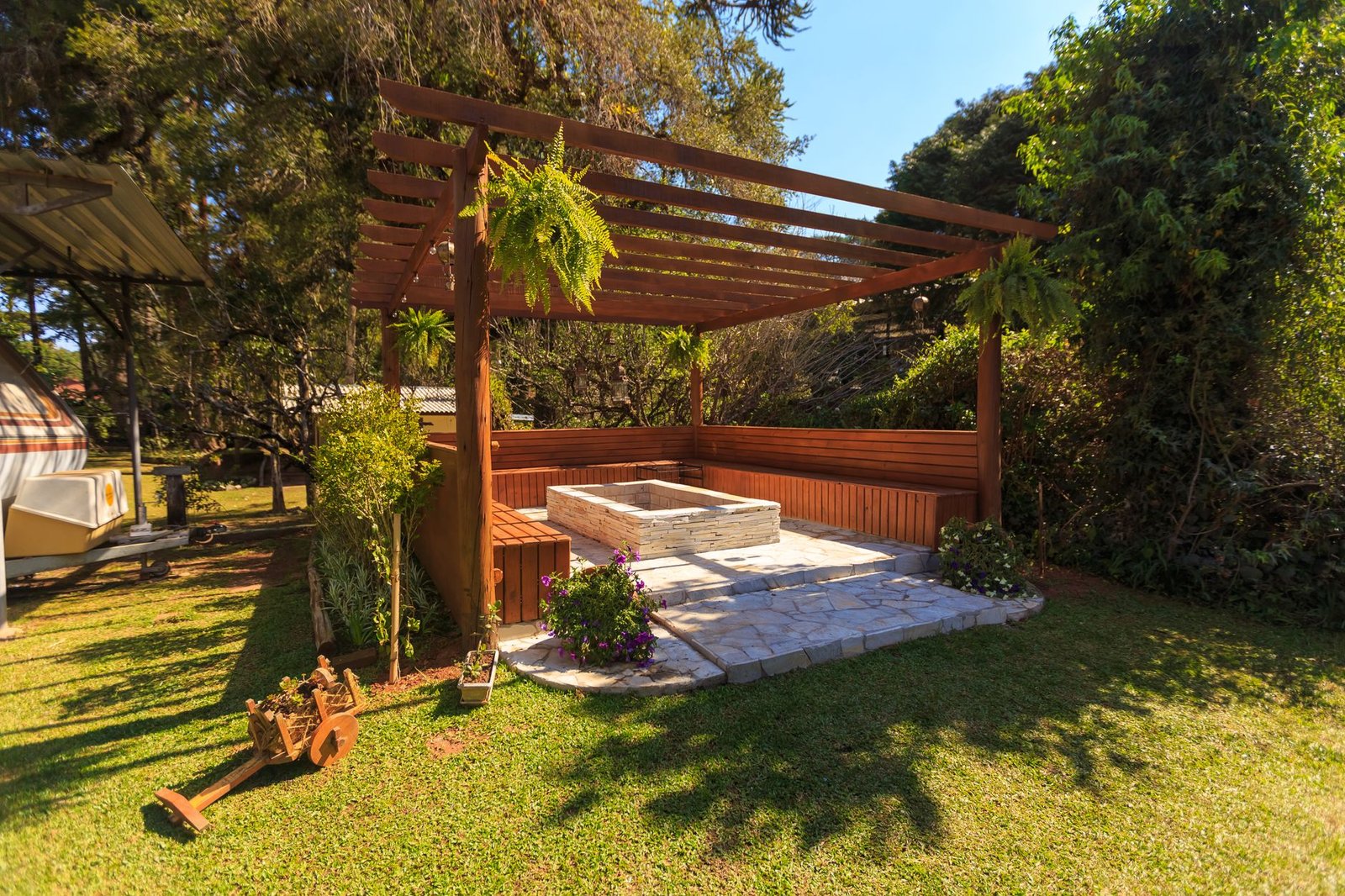
The decision between a pergola and a gazebo for enhancing an outdoor space in 2026 hinges on specific needs for shade, aesthetic preferences, and desired functionality. While pergolas offer flexible, often partial shade and an open-air feel, gazebos provide consistent, comprehensive shade and a more enclosed, room-like environment. The optimal choice for shade depends significantly on the desired light filtration, weather protection, and integration with the existing landscape.
Understanding Pergolas in 2026
Pergolas, historically characterized by their open lattice roofs, have evolved significantly by 2026 to offer diverse shade solutions. These structures typically feature an open framework of beams and rafters, which can be freestanding or attached to a main residence. Modern pergolas prioritize adaptability and seamless integration with contemporary architectural styles.
Design and Aesthetics
In 2026, pergola designs lean towards sleek, minimalist lines and modular construction. Popular materials include powder-coated aluminum for its durability and low maintenance, sustainable composite lumber offering wood aesthetics without the upkeep, and even advanced, lightweight carbon fiber composites for high-end, custom installations. Biophilic design principles are heavily integrated, with systems supporting climbing plants not just for natural shade, but also for aesthetic appeal and improved air quality. Smart lighting, often integrated into the frame, provides ambient illumination for evening use.
Functionality and Shade Performance
For shade, pergolas in 2026 offer unparalleled flexibility. While traditional pergolas provide dappled shade, modern iterations frequently incorporate advanced features:
- Automated Louvered Roofs: These systems allow residents to adjust the angle of the roof slats with a remote or smartphone application, providing precise control over sunlight and ventilation. Some even integrate rain sensors to automatically close during precipitation.
- Retractable Canopies: Fabric or solid panel canopies can be extended or retracted as needed, offering full sun exposure or complete shade. Materials for these canopies in 2026 often include UV-resistant, quick-drying performance fabrics with self-cleaning properties.
- Integrated Smart Screens: Side screens, often motorized, provide additional sun protection, privacy, and wind baffling, enhancing the comfort of the sheltered space.
The primary advantage of a pergola for shade is its adaptability, allowing for varying degrees of sunlight or shelter based on the time of day or seasonal changes.
Cost and Installation
The cost of a pergola in 2026 ranges from accessible pre-fabricated kits to high-end, custom-engineered smart systems. Basic aluminum or composite pergolas can be relatively economical, with DIY installation being an option for some kits. However, systems with automated louvers, integrated lighting, and smart home connectivity will naturally command a higher price point, typically requiring professional installation due to electrical and structural complexities. Installation for simpler models can be relatively swift, often completed within a few days, while complex smart pergolas may take longer.
Exploring Gazebos in 2026
Gazebos remain a classic choice for dedicated outdoor shelter, characterized by their solid roofs and often enclosed, distinct structures. They typically stand alone and serve as a focal point in a garden or yard, offering a more defined outdoor room experience.
Design and Aesthetics
In 2026, gazebo designs blend traditional charm with modern functionality. While classic octagonal or circular cedar and treated pine gazebos are still popular, there’s a growing trend towards more contemporary square or rectangular forms constructed from low-maintenance materials like premium vinyl, fiberglass composites, and powder-coated steel or aluminum. Roofing options have expanded beyond traditional shingles to include transparent or translucent polymer panels that allow light without heat, and even integrated solar panels for self-sufficient power for lighting or smart features. Integrated insect screens, often retractable or removable, are a standard feature, enhancing usability.
Functionality and Shade Performance
Gazebos excel at providing consistent, comprehensive shade and shelter. Their solid roof structures block direct sunlight entirely, creating a reliably cool and protected area beneath. This makes them ideal for:
- Dedicated Dining or Relaxation Zones: The permanent shade and enclosure are perfect for outdoor meals or quiet contemplation.
- All-Weather Use: With a solid roof, gazebos offer protection from rain, snow, and intense sun, making them usable in a wider range of weather conditions than basic pergolas.
- Enhanced Privacy: Walls or screens provide a greater sense of enclosure and privacy compared to open pergolas.
Some advanced gazebos in 2026 feature integrated climate control options, such as misting systems for cooling or infrared heaters for warmth, further extending their functional season.
Cost and Installation
Gazebos generally represent a more significant initial investment than basic pergolas, primarily due to their more substantial construction and full roofing. Materials like high-quality cedar or vinyl, coupled with detailed roofing, contribute to higher costs. Custom designs or those incorporating smart features like automated screens or climate control will further increase the price. Installation is typically more involved, often requiring a solid foundation and professional assembly, contributing to longer installation times, sometimes spanning several days to a week or more.
2026 Trends Shaping Outdoor Structures
Several key trends in 2026 are influencing both pergola and gazebo developments:
- Smart Home Integration: Both structures are increasingly incorporating smart technology. This includes voice-activated controls for lighting, heating, cooling, retractable elements, and even integrated entertainment systems. Sensors for weather, occupancy, and air quality are becoming common.
- Sustainability and Biophilic Design: There is a strong emphasis on eco-friendly materials and designs that connect residents with nature. This means more reclaimed wood, bamboo composites, permeable surfaces, and designs that naturally integrate plantings and green walls.
- Multi-functional Spaces: Outdoor structures are no longer just for shade; they are designed as extensions of indoor living. This includes dedicated zones for outdoor kitchens, lounge areas, home offices, and fitness spaces, often facilitated by the versatile nature of both pergolas and gazebos.
- Customization and Personalization: Homeowners are seeking highly customizable options to match their unique aesthetic and functional needs. Modular components and bespoke design services allow for tailored solutions.
Making the Optimal Choice for Shade in 2026
When selecting between a pergola and a gazebo for shade, the homeowner should consider the following:
- Desired Shade Level: If adjustable, partial, and diffused shade with an open feel is preferred, a modern pergola with smart louvers or a retractable canopy is superior. For consistent, full, and reliable shade, a gazebo is the more effective choice.
- Aesthetic Integration: Pergolas generally offer a more contemporary, open look, suitable for minimalist or modern landscapes. Gazebos often evoke a more traditional, classic, or ornate aesthetic, creating a distinct focal point.
- Weather Protection Needs: Gazebos provide comprehensive protection from rain and intense sun. Pergolas, even with advanced covers, typically offer less robust protection from heavy downpours unless fully enclosed with solid roofing or advanced retractable systems.
- Budget and Installation Complexity: While basic pergolas can be more budget-friendly and simpler to install, feature-rich smart pergolas can rival the cost and complexity of gazebos. Gazebos typically represent a higher upfront investment and more involved professional installation.
- Site-Specific Considerations: The size and layout of the outdoor space, local building codes, and desired long-term use will also influence the decision.
Conclusion
For optimal shade in 2026, the distinction between a pergola and a gazebo is clear-cut based on the nature of shade required. A modern pergola, especially those equipped with automated louvered roofs or retractable canopies, offers unparalleled flexibility and contemporary aesthetics, ideal for those seeking adaptable light control and an open-air ambiance. Conversely, a gazebo provides steadfast, comprehensive shade and shelter, creating a distinct outdoor room perfect for consistent comfort and protection from the elements. By carefully assessing desired functionality, aesthetic preferences, and budget, residents can select the outdoor structure that best complements their lifestyle and enhances their outdoor living experience for years to come.