
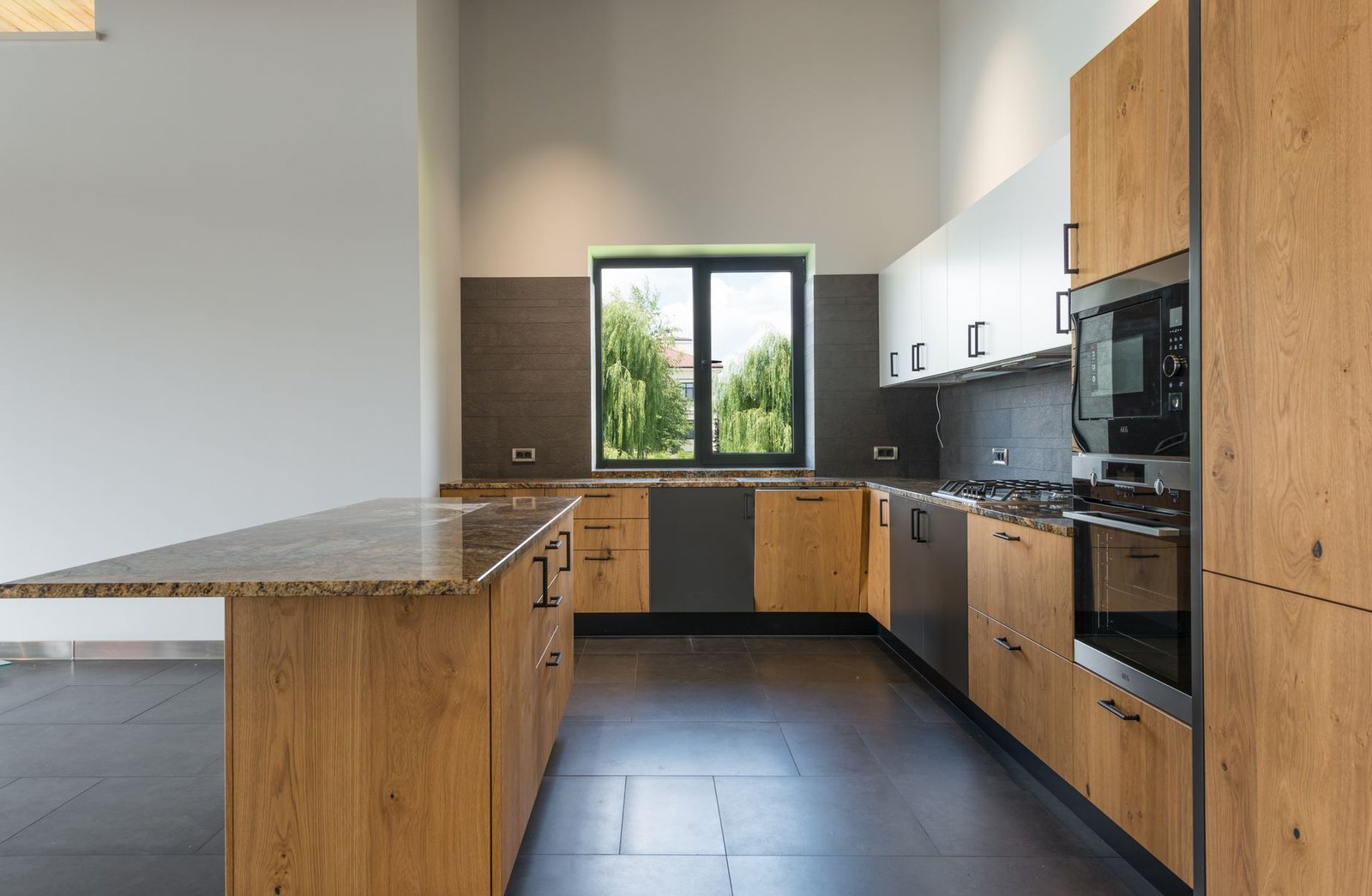
For homeowners embarking on kitchen renovations in 2026, the critical decision between porcelain tile and natural stone flooring presents a compelling challenge. While both materials offer distinct advantages, the optimal choice for ‘best’ depends entirely on the resident’s priorities regarding durability, maintenance commitment, aesthetic vision, and budget. This analysis explores the latest advancements and characteristics of each, guiding the decision-making process for a modern kitchen environment that seamlessly integrates functionality with contemporary design.
Porcelain Tile in 2026: Enduring Innovation
Porcelain tile remains a formidable contender in 2026, benefiting from continuous advancements in manufacturing technology that enhance its performance and aesthetic appeal. Often lauded for its robust nature, porcelain tile is a dense, impermeable ceramic crafted from refined clay and minerals fired at extremely high temperatures. This process results in a flooring material highly resistant to the rigors of a busy kitchen.
Durability and Performance
The inherent strength of porcelain tile makes it exceptionally suited for high-traffic areas like kitchens. Its low porosity means it is virtually impervious to water, making spills a non-issue and preventing moisture absorption that can lead to bacterial growth. Modern porcelain tiles boast impressive PEI ratings (Porcelain Enamel Institute), indicating superior abrasion resistance. The latest iterations feature through-body coloration, where the color and pattern extend throughout the tile, effectively camouflaging chips or scratches that might occur over decades of use. Rectified edges, a standard in 2026, allow for minimal grout lines, contributing to a sleek, expansive look and further enhancing overall durability by reducing vulnerable points.
Maintenance and Hygiene
For the homeowner seeking a low-maintenance solution, porcelain tile is an ideal choice. Its non-porous surface resists stains, spills, and bacterial accumulation, requiring only routine cleaning with mild detergents. The evolution of grout technology in 2026, including advanced epoxy and urethane grouts, significantly reduces the historical challenge of grout discoloration and staining. These modern grouts are highly resistant to moisture and mildew, simplifying long-term upkeep and ensuring a consistently hygienic kitchen floor.
Aesthetic Versatility and Trends
The aesthetic capabilities of porcelain tile have exploded, positioning it as a design powerhouse in 2026. Advanced high-definition digital printing technology allows porcelain to faithfully replicate the look of natural wood, polished concrete, industrial metal, and, critically, a vast array of natural stones, often indistinguishable from the real thing without close inspection. This offers homeowners the aesthetic of high-end materials without the associated maintenance or cost. Current trends lean towards large-format tiles that create a more seamless, expansive feel, particularly in open-plan kitchen designs. Muted, earthy tones, textured finishes mimicking raw materials, and biophilic patterns inspired by nature are prominent in contemporary design schemes.
Cost Considerations
Generally, porcelain tile offers a more budget-friendly entry point compared to many natural stone options. Material costs vary widely based on size, finish, and replication complexity, but the overall project cost, including installation, often presents a more accessible investment for a high-performing and aesthetically pleasing kitchen floor. Longevity and minimal maintenance contribute to a favorable long-term value proposition.
Natural Stone in 2026: Timeless Elegance and Modern Care
Natural stone, a material celebrated for millennia, continues to embody luxury and unique character in 2026 kitchen designs. Each slab tells a story, offering unparalleled depth, variation, and a connection to the earth. Materials such as granite, marble, travertine, slate, and quartzite present distinct characteristics that appeal to specific design sensibilities.
Durability and Longevity
The durability of natural stone largely depends on its type. Granite and quartzite are exceptionally hard and dense, offering outstanding resistance to scratches, chips, and heat, making them highly suitable for demanding kitchen environments. Marble, while softer and more prone to etching from acidic substances, is prized for its classic elegance and ability to develop a unique patina over time. Slate offers a rugged, slip-resistant surface, while travertine provides a porous, earthy warmth. With proper installation and care, natural stone floors are renowned for their incredible longevity, often outlasting the home itself.
Maintenance and Preservation
One of the primary considerations for natural stone is its inherent porosity, which necessitates regular sealing to prevent stains and moisture absorption. However, advancements in sealing technology in 2026 have made maintenance more manageable. Modern penetrating sealers can provide protection for 5 to 15 years, significantly reducing the frequency of reapplication. Daily cleaning typically involves pH-neutral cleaners specifically formulated for stone, avoiding harsh chemicals that can degrade the sealer or etch the surface. The resident committed to preserving the material’s integrity will find the maintenance manageable, allowing the stone’s natural beauty to endure.
Aesthetic Depth and Unique Character
The aesthetic appeal of natural stone is unmatched in its organic beauty. Each tile or slab possesses a unique pattern, veining, and color variation, ensuring no two installations are identical. This individuality creates a truly bespoke and luxurious atmosphere in the kitchen. Current trends in 2026 favor honed or leathered finishes, which offer a softer, matte look that complements contemporary design while minimizing the visibility of minor imperfections. Warm, earthy tones and bold, dramatic veining patterns in materials like Calacatta or Statuario marble are particularly sought after for their opulent impact.
Cost Considerations
Natural stone typically represents a higher initial investment compared to porcelain tile, both in material cost and specialized installation. The rarity, extraction, and finishing processes contribute to its premium price point. However, for many homeowners, the unparalleled aesthetic and long-term value of a truly unique, natural material justify the higher upfront expenditure. Its timeless appeal also contributes to increased property value.
Comparative Analysis: Making the Informed Choice for 2026
Choosing between porcelain tile and natural stone requires a careful assessment of how each material aligns with the specific needs and aspirations of the homeowner for their 2026 kitchen renovation.
Durability Showdown
For sheer resistance to scratches, chips, and stains in a high-traffic kitchen, high-quality porcelain tile often offers superior performance and uniformity. Its engineered nature makes it exceptionally consistent. Natural stone, particularly granite and quartzite, is also incredibly durable, but its natural variations can sometimes lead to localized vulnerabilities or require more careful handling of impacts. Softer stones like marble require more vigilance against etching and scratching.
Maintenance Commitment
Porcelain tile is the undisputed winner for homeowners prioritizing minimal maintenance. Its non-porous surface and advanced grout options make cleaning straightforward and sealing unnecessary. Natural stone, while easier to maintain than in previous decades thanks to improved sealers, still requires a more attentive approach, including periodic resealing and the use of specific cleaning agents to preserve its pristine condition.
Investment Value
From a purely financial perspective, porcelain tile generally offers a more economical solution both initially and in terms of long-term maintenance costs. Natural stone demands a higher investment but offers unparalleled luxury and an enduring aesthetic that can significantly enhance property value and appeal. The ‘value’ is subjective, balancing initial outlay with perceived prestige and personal satisfaction.
Design Impact
Both materials offer incredible design flexibility. Porcelain tile excels in creating uniform, modern looks and replicating a vast array of textures and patterns with perfect consistency. It allows for creative freedom at various price points. Natural stone, conversely, provides an authentic, organic beauty that cannot be fully replicated. Its unique variations contribute to a bespoke feel and a deep connection to natural elements, appealing to those who prioritize authenticity and a timeless, luxurious ambiance.
2026 Trends and Final Recommendations
Several overarching trends influence flooring choices in 2026. Sustainability is a growing concern, with manufacturers increasingly offering recycled content porcelain and sourcing natural stone ethically. Biophilic design, which integrates natural elements into the home, is driving demand for both authentic stone and hyper-realistic porcelain mimicking natural textures. Furthermore, the integration of smart home technology, including advanced underfloor heating systems, makes compatibility with both material types a key consideration.
Ultimately, the determination of the ‘best’ kitchen flooring for 2026 comes down to balancing pragmatic needs with aesthetic desires. For the resident prioritizing extreme durability, low maintenance, and extensive design replication at a more accessible price point, advanced porcelain tile is an outstanding choice. For those who value unparalleled natural beauty, unique character, and are prepared for a higher investment and a more involved maintenance regimen, natural stone offers a timeless and luxurious appeal. Homeowners are encouraged to consider their lifestyle, long-term vision for the space, and personal connection to the material when making this foundational decision for their modern kitchen.