
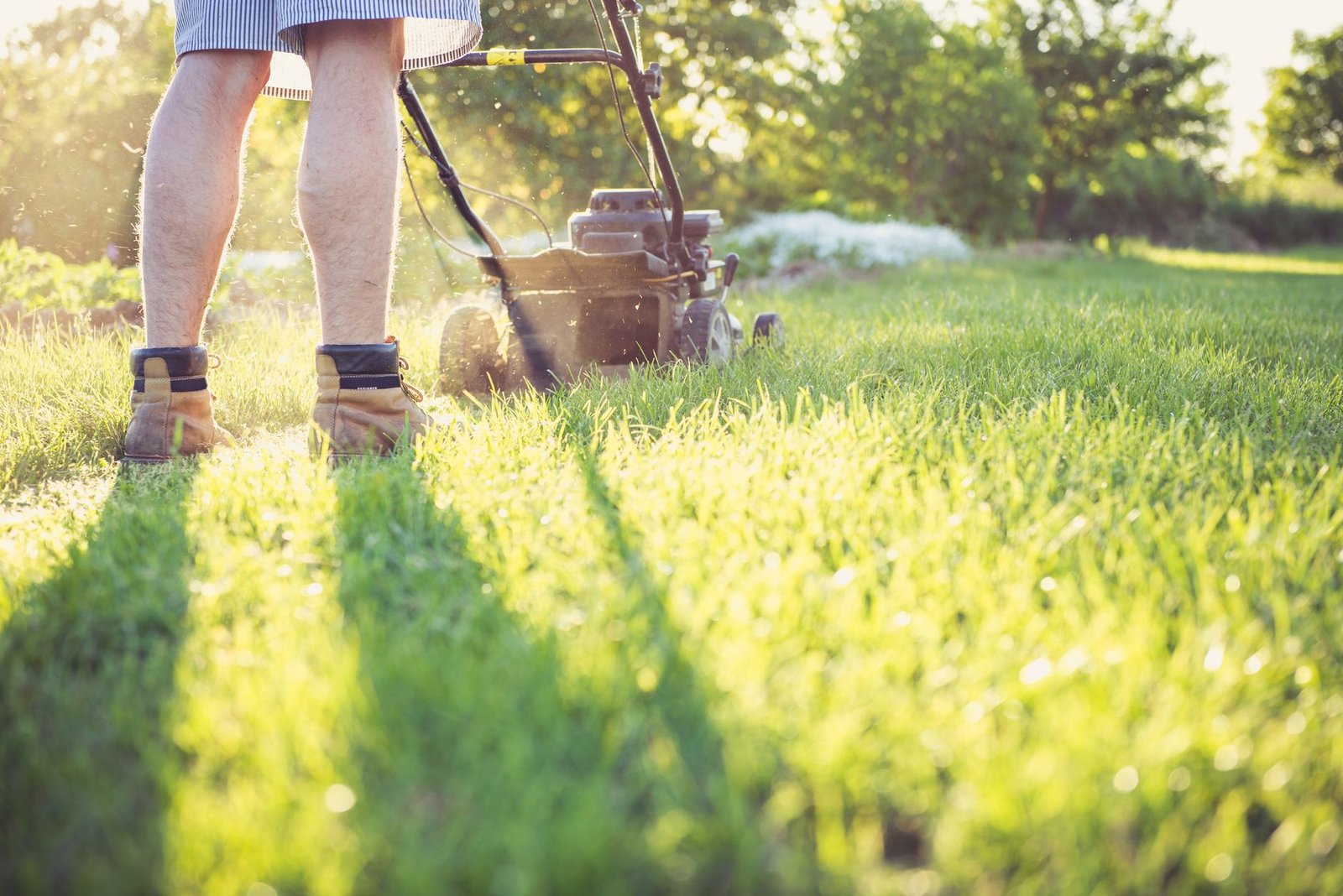
Many homeowners are actively seeking alternatives to traditional grass lawns due to the significant time, water, and resources required for their upkeep. For 2026 backyards, a diverse array of sustainable and low-maintenance options are available that can drastically reduce these burdens, offering aesthetic appeal alongside environmental benefits. This article explores seven innovative alternatives, providing property owners with solutions for a more sustainable and enjoyable outdoor space, aligning with current landscape trends and material developments.
The Paradigm Shift: Why Traditional Lawns Are Evolving
The conventional grass lawn, once a symbol of suburban perfection, is increasingly being re-evaluated in 2026. A growing awareness of environmental impact, coupled with evolving lifestyle preferences, drives this significant paradigm shift in landscape design. Traditional lawns demand substantial resources, including excessive water consumption, particularly in arid regions, and the frequent application of fertilizers and pesticides which can contribute to chemical runoff and impact local ecosystems. The time commitment for regular mowing, edging, and seasonal treatments also represents a considerable burden for many residents.
As of 2026, the emphasis in landscape architecture and domestic comfort analysis has shifted towards designs that are both beautiful and functionally resilient. Homeowners are increasingly prioritizing spaces that require less direct intervention, allowing for more leisure time while simultaneously fostering local biodiversity. Innovations in smart irrigation systems, climate-resilient plant breeding, and sustainable material science further support this transition, making low-maintenance and ecologically responsible landscaping more accessible and appealing than ever before. The move away from a grass monoculture signifies a broader trend towards creating dynamic, ecologically balanced, and aesthetically varied outdoor environments.
7 Low-Maintenance Lawn Alternatives for 2026 Backyards
Exploring viable alternatives to traditional turf grass provides homeowners with diverse options to minimize upkeep, conserve resources, and enhance environmental value.
1. Native Groundcovers
Native groundcovers offer an excellent solution for reducing water usage and supporting local ecosystems. These plants are inherently adapted to regional climates and soil conditions, meaning they require minimal irrigation once established and are less susceptible to local pests and diseases. Varieties such as creeping thyme, various sedum species, or regional native clovers can create a lush, living carpet that tolerates light foot traffic. In 2026, the availability of specialized seed mixes and pre-grown plugs for specific microclimates has expanded significantly, making it easier for residents to establish resilient and biodiverse groundcover systems that mimic natural habitats.
2. Ornamental Grasses
Ornamental grasses provide texture, movement, and year-round interest with significantly less water than traditional lawns. Species like various fescues, Muhly grass, or Little Bluestem offer attractive forms and colors, often swaying gracefully in the breeze. Their drought tolerance and minimal fertilization needs make them ideal for modern, sustainable landscapes. For 2026, new sterile cultivars are available that mitigate concerns about invasive spreading, allowing homeowners to confidently incorporate these striking plants into their designs. Taller varieties can also serve as natural privacy screens, integrating functionality with aesthetic appeal.
3. Moss Lawns
For shaded areas where traditional grass struggles, a moss lawn presents a tranquil and unexpectedly lush alternative. Mosses require no mowing, no fertilizers, and thrive in damp, acidic soil conditions. They create a soft, verdant carpet that evokes a sense of calm and natural serenity. While establishment can take time, advanced moss mats and sheets available in 2026 streamline the installation process, providing quicker coverage and a more immediate visual impact. A moss lawn is an excellent choice for a low-traffic, shaded retreat within the backyard.
4. Wildflower Meadows
Transforming a portion of the backyard into a wildflower meadow brings a burst of color and life, attracting essential pollinators like bees and butterflies. These biodiverse spaces require minimal intervention beyond an annual cutback, reducing both water use and the need for chemical treatments. Wildflower meadows offer seasonal beauty, evolving throughout the year. In 2026, specialized seed mixes are readily available for various regions and soil types, including easy-to-deploy