In 2026, the sophistication of residential automation infrastructure has reached unprecedented levels. Modern homes are no longer simply equipped with smart devices; they are intricate ecosystems demanding robust, reliable, and responsive foundational components. At the heart of this ecosystem lies the protocol hub, a critical orchestrator translating commands and ensuring seamless communication across diverse devices. Selecting the appropriate protocol hub and understanding the underlying data link layers is paramount for achieving system stability, particularly concerning transmission range, node capacity, and localized command processing.
The Core of Connectivity: Understanding Protocol Hubs
A residential automation protocol hub serves as the central brain for a smart home network. Its primary function involves interpreting signals from various devices, translating them into a common language, and issuing commands to execute desired automations. This central intelligence allows disparate components—from lighting and climate control to security systems and entertainment units—to operate cohesively. The efficacy of this hub directly correlates with the reliability and responsiveness of the entire smart home experience. Modern hubs are increasingly designed for multi-protocol support, reflecting the diverse landscape of smart home technology in 2026.
Data Link Layer Showdown: Key Protocols for 2026
The choice of data link layer protocol significantly impacts a system’s performance metrics. Examining distinct technologies provides clarity for optimal hub selection.
Zigbee: Mesh Network Mastery
Zigbee continues its prominence as a low-power, short-range wireless mesh networking standard. It is well-suited for a wide array of smart home devices.
- Transmission Range: Zigbee utilizes a self-healing mesh architecture where each non-battery-powered device can act as a repeater, extending the network’s reach throughout a property. This inherent scalability allows for robust coverage, even in larger residences or those with challenging architectural layouts that might impede direct line-of-sight signals.
- Node Capacity: Systems can support a substantial number of devices, typically hundreds, without significant performance degradation. This high capacity accommodates comprehensive deployments of sensors, lights, and switches across a property.
- Localized Command Processing: A key strength of Zigbee is its ability for devices to communicate directly within the local network, often without reliance on cloud services. This ensures rapid response times and maintains core functionality even during internet outages, a critical aspect for security and comfort automations. In 2026, enhanced security protocols and tighter integration with the Matter standard further solidify Zigbee’s local processing capabilities.
Z-Wave: The Reliability Standard
Z-Wave remains a popular choice, particularly favored for its reliability and interoperability within its ecosystem.
- Transmission Range: Similar to Zigbee, Z-Wave employs a mesh network, with signals capable of hopping between devices to extend range. Its sub-1GHz frequency band often provides better penetration through walls and floors compared to 2.4GHz alternatives, a significant advantage in multi-story or older homes with dense construction materials.
- Node Capacity: While lower than Zigbee, Z-Wave typically supports up to 232 devices, which is ample for most residential applications.
- Localized Command Processing: Z-Wave excels in localized control. Its design prioritizes direct device-to-device communication and hub-to-device commands within the local network, minimizing latency and dependence on external internet connectivity. The emergence of Z-Wave Long Range (Z-Wave LR) in 2026 further expands its capacity and reach for larger estates, emphasizing local control.
Wi-Fi: Ubiquitous but Demanding
Wi-Fi’s omnipresence makes it an attractive option, but its characteristics differ significantly from mesh protocols.
- Transmission Range: Wi-Fi devices connect directly to a central access point (router). While excellent within the immediate vicinity of the router, range can degrade significantly with distance or obstructions, often requiring repeaters or additional access points for whole-home coverage.
- Node Capacity: The practical number of reliable Wi-Fi smart devices a standard residential router can handle without network congestion varies, but it is generally lower than dedicated mesh protocols for low-bandwidth devices. Each device consumes an IP address and bandwidth, potentially impacting overall network performance with a high device count.
- Localized Command Processing: This varies greatly by device manufacturer. Many Wi-Fi smart devices are heavily cloud-dependent, meaning commands travel to external servers and back. While Wi-Fi 6E and Wi-Fi 7 (becoming more prevalent in 2026) offer improved latency and capacity, the reliance on cloud infrastructure can introduce delays and vulnerability to internet outages. However, a growing number of devices and platforms are incorporating local control capabilities.
Thread: The Future of IP-based Mesh
Thread is rapidly gaining traction as a foundational protocol, especially with the widespread adoption of Matter.
- Transmission Range: Thread establishes a robust, self-healing mesh network, similar to Zigbee and Z-Wave. Its IP-based nature allows for seamless integration with existing network infrastructure and enables efficient routing of data.
- Node Capacity: Thread networks are designed for high node capacity, accommodating hundreds of devices. Each device can be directly addressed with an IP address, simplifying network management.
- Localized Command Processing: As an IP-based protocol, Thread is inherently designed for local communication. It facilitates direct, secure, and energy-efficient device-to-device communication without requiring an internet connection for core functionality. This makes it an ideal backbone for responsive and reliable smart home systems, a key enabler for the local processing benefits promised by Matter.
Ethernet: Wired Backbone Stability
For applications demanding maximum reliability and speed, wired Ethernet remains the gold standard.
- Transmission Range: Ethernet’s range is limited by cable length (typically 100 meters without active repeaters or switches), but this is rarely an issue within a single residential structure.
- Node Capacity: Node capacity is dependent on the network switch infrastructure, which can scale to hundreds or thousands of ports, offering virtually unlimited capacity for residential needs.
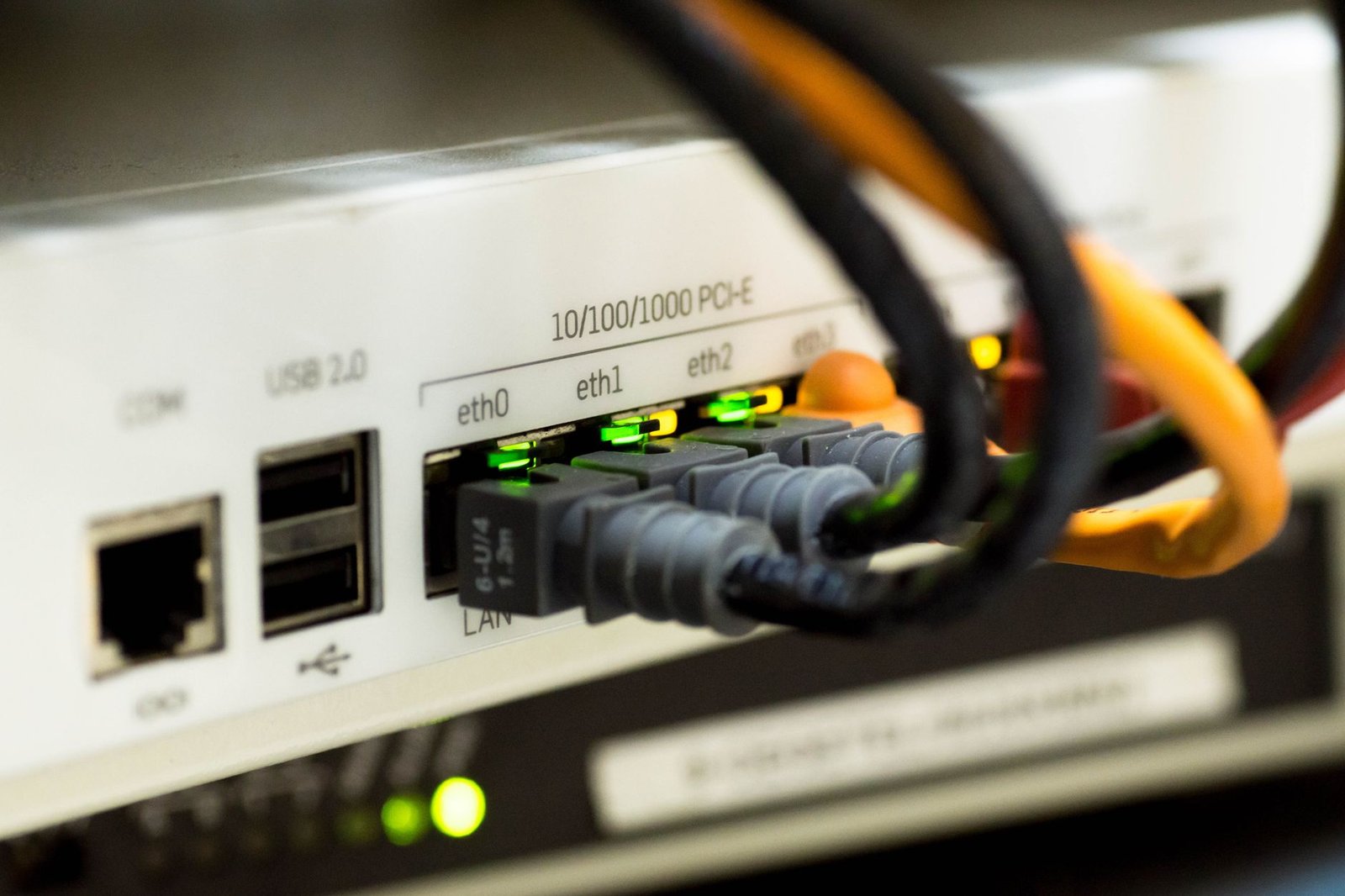
- Localized Command Processing: Ethernet offers unparalleled localized command processing speed and stability. Devices connected via Ethernet communicate directly and instantly, making it ideal for high-bandwidth applications like security cameras, media servers, and the central protocol hub itself. Power over Ethernet (PoE) in 2026 simplifies installations by delivering both data and power over a single cable.
Strategic Selection for Residential Stability
Choosing the optimal protocol hub involves a careful assessment of specific residential requirements and desired performance outcomes.
Evaluating Needs: Range and Density
The physical footprint of the residence and the anticipated density of smart devices are primary considerations. For expansive properties or those with construction materials (e.g., concrete, metal studs) that attenuate wireless signals, mesh networks like Zigbee, Z-Wave, or Thread are often superior for broad device coverage. Wi-Fi might require a more sophisticated, distributed access point infrastructure. For mission-critical devices or the central hub, a wired Ethernet connection provides unmatched stability.
Prioritizing Local Processing and Reliability
For individuals prioritizing security, privacy, and continuous functionality, emphasizing protocols with strong localized command processing is crucial. Systems less reliant on cloud services are inherently more resilient to internet outages and potential privacy vulnerabilities. Mesh protocols generally offer superior local control, contributing to a more responsive and dependable user experience. In 2026, the homeowner increasingly seeks solutions that offer robust local fallback capabilities.
Future-Proofing and Interoperability
The advent of Matter significantly influences protocol hub selection. Hubs supporting Thread, Wi-Fi, and Ethernet are well-positioned for future interoperability, as these are core Matter-compatible data link layers. A multi-protocol hub that can seamlessly integrate devices from various ecosystems offers the greatest flexibility and longevity, allowing the resident to expand their smart home without being locked into a single vendor’s technology. Considering a hub’s update cadence and commitment to emerging standards is also a wise long-term strategy.
Ultimately, the discerning homeowner approaches residential automation infrastructure with a focus on stability and performance. Thoughtful selection of protocol hubs, informed by the unique characteristics of each data link layer—transmission range, node capacity, and localized command processing—ensures a reliable, responsive, and future-ready smart home environment. By prioritizing robust connectivity and intelligent processing, the foundation for true domestic comfort and technological harmony is firmly established.